
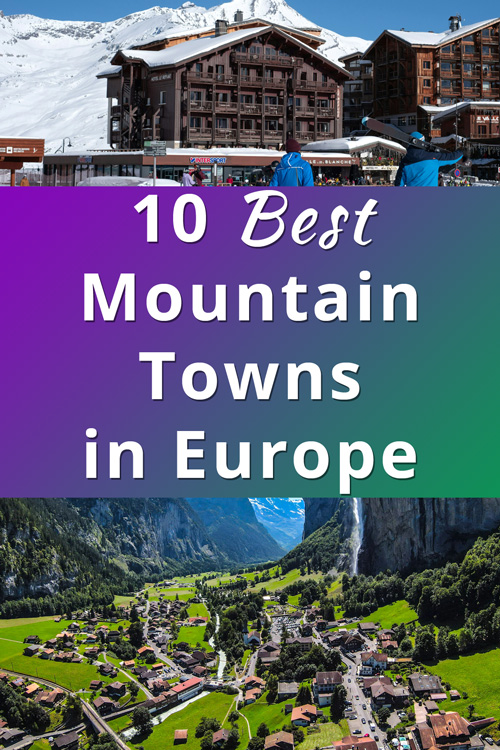
In every corner of Europe, beyond busy cities and golden beaches, lie high-altitude villages that feel like living postcards. These are the best mountain towns in Europe, where every street has a story and each peak reveals a new horizon.
Centuries of history rise from ancient stone walls. Narrow streets lead you to breathtaking viewpoints.
From quiet Swiss valleys to Pyrenean passes, these towns invite you to leave the ordinary behind and step into a world of fresh air and bold views.
If you like hiking, you can find secret trails near beautiful waterfalls. History fans can discover ancient churches, while thrill seekers can chase the rush of high-speed gondolas.
In this article, we’ll explore 10 of the best mountain towns and villages in Europe, where history, stunning views, and adventure await your next trip.
Let’s begin!
Don’t miss: 10 Best Mountain Towns in the Italian Dolomites for Your Next Adventure
Keep in mind: Our articles may contain errors, despite our best efforts. So, do a thorough research before deciding on a travel destination.
The Best Mountain Towns in Europe: A Mix of History, Amazing Views, & Adventure
1. Torla, Spain
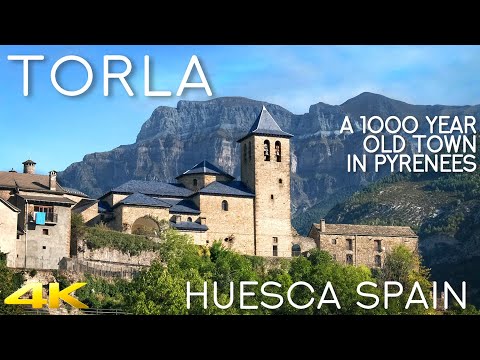
This video will be loaded from YouTube.com, a third party. If you click "Play", you accept their terms of service, and their use of cookies.
Torla started as a small mountain village near the edge of Ordesa y Monte Perdido National Park. It took its name from the nearby Torla Gorge.
Back in the Middle Ages, pilgrims and shepherds passed through here on their way to high pastures.
Nowadays, it’s famous for dramatic cliffs and deep valleys that attract hikers and nature lovers alike.
The main draws are the Ordesa Valley trails, the ancient Romanesque church of San Miguel, and guided wildlife tours. You might spot chamois or even bearded vultures on these tours.
Read next: 20 Stunning Italian Mountain Villages and Small Towns You Have to Visit
2. Bohinj, Slovenia

This video will be loaded from YouTube.com, a third party. If you click "Play", you accept their terms of service, and their use of cookies.
Bohinj formed around a glacial lake created over 10,000 years ago at the end of the last Ice Age. Local legends say there are buried treasures beneath its waters.
The area’s main attraction is Lake Bohinj, where you can go boating in summer and ice-skating in winter. You can also visit the Savica Waterfall or take the Vogel cable car for stunning high-altitude views.
Don’t miss exploring the old Alpine farms, which offer a view into traditional mountain life.
Must read: 9 Unique Small Towns in Europe to Visit in Autumn
3. Pas de la Casa, Andorra
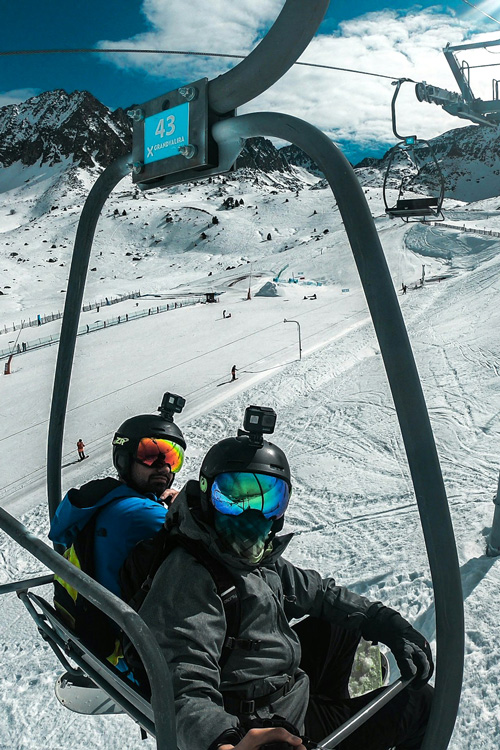
(Pas de la Casa, Andorra – Photo by Aviv Perets)
Pas de la Casa saw a significant growth in the 1960s when Andorra opened its borders to skiers from France and Spain. Sitting at over 2,100 meters high, it’s one of the highest towns in the Pyrenees.
One fun fact? It has duty-free shops and connects directly to the vast Grandvalira ski domain.
Visitors don’t just ski or snowboard here, they can also enjoy snowmobile rides, an indoor ice rink, and cozy evenings at mountain-view restaurants.
4. Tignes, France
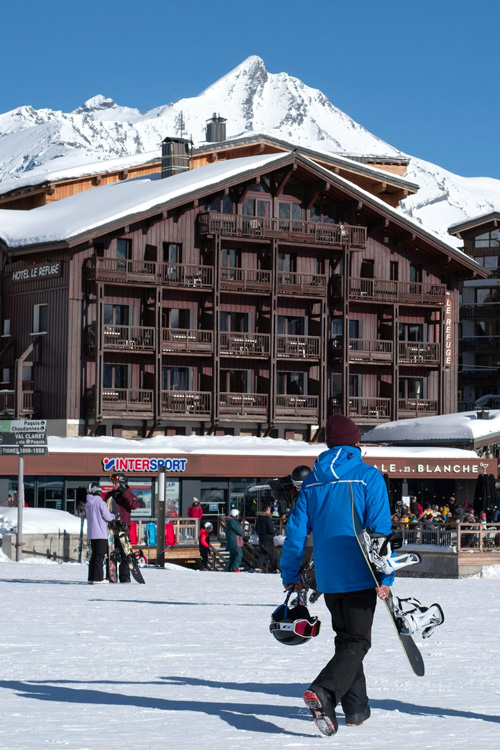
(Tignes, France – Photo by Valentin de Brabandère)
Tignes used to be a small farming village until 1952, when they flooded it to build a dam. Now, the old village rests beneath a reservoir.
The town was rebuilt higher up and became one of the first places to offer skiing all year round, thanks to the Grande Motte glacier.
You can try ice-driving on the frozen lake, explore summer bike parks, or ski across more than 300 kilometers of slopes in the Espace Killy area.
You’ll also like: 9 Amazing Small Towns to Visit in France in Autumn for a Dream Holiday
5. Ramsau bei Berchtesgaden, Germany
Ramsau grew around salt mining back in the 16th century. You can still visit its mines today, they’re open for tours.
In winter, the town is a popular location for cross-country skiing. Come summer, its flower meadows draw plenty of walkers.
Some must-see spots include the ice caves and the pilgrimage church of St. Sebastian.
Don’t miss the Königssee boat tours either, they glide past emerald waters and sheer rock faces that are simply stunning.
6. Cortina d’Ampezzo, Italy
Cortina d’Ampezzo gained fame after hosting the 1956 Winter Olympics, which brought road and cable-car links through the Dolomites. Since then, it has attracted film crews and top athletes alike.
Today, visitors ride the Faloria and Tofana cableways for great panoramic mountain views. They also explore the Cinque Torri rock towers and stop by the Olympic Ice Stadium.
In summer, the Dolomite trails reveal tunnels and bunkers that history buffs love to explore.
7. Trysil, Norway
Trysil‘s roots go back to timber rafting on the Trysilelva River. It grew into Norway’s largest ski resort during the 1980s.
The resort hosts annual slalom races and offers over 70 slopes for all skill levels. Visitors also enjoy cross-country tracks winding through pine forests.
There’s a purpose-built bike park and horseback excursions across snowy plains in winter. The town has a local museum that traces its logging heritage.
8. Lauterbrunnen, Switzerland
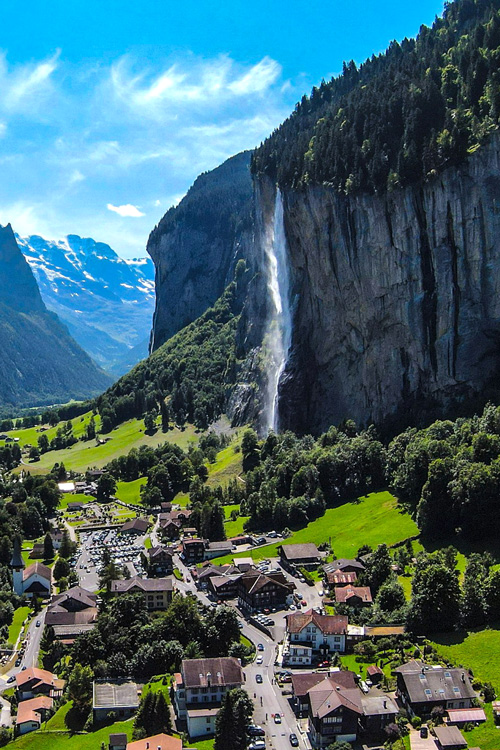
(Lauterbrunnen, Switzerland – Photo by Robin Ulrich)
Lauterbrunnen means “many fountains,” named after the valley’s more than 70 waterfalls. These falls were carved out by glaciers thousands of years ago.
In the 19th century, artists like J.M.W. Turner found the valley irresistible. The main attractions include Staubbach Falls and the Trümmelbach Glacier’s hidden ice falls inside a mountain.
Another highlight is the Jungfraujoch rail line, which climbs up to Europe’s highest station at 3,454 meters.
9. Nassfeld, Austria
Nassfeld started out as a border pass used by traders and soldiers. After 1918, it grew into a ski area.
It connects 110 kilometers of slopes across Austria and Italy, making it one of the largest resorts around. The sun terrace runs are among its main attractions, along with a toboggan track that drops 11 kilometers.
In summer, there’s a mountain bike park to explore. Plus, Lake Pressegg offers boating and swimming when the weather warms up.
10. Vlkolinec, Slovakia
Vlkolínec stands out as one of the best-preserved examples of traditional Central European folk architecture. It was first mentioned back in the 14th century.
The village earned UNESCO World Heritage status in 1993. It features over 40 wooden houses, each with distinct red-and-white facades and thatched roofs.
Visitors often come to explore the folk museum or stroll along historic forest paths. Seasonal festivals also draw crowds, showcasing music and crafts from the old mountain communities.