
Rome is a city where history and food mix together in daily life. As you walk its streets, ancient ruins sit right next to busy trattorias.
You’ll catch the smell of fresh pasta floating out from kitchens. Eating in Rome isn’t just about filling your stomach but also about tasting traditions that have lasted for centuries.
Some dishes started with shepherds, while others, like sweet treats, once served as tokens of love. Roman cuisine shares stories from both the city’s past and its present.
In this article, I’ll explore 10 foods locals really love, and you shouldn’t skip. Each one has its own flavor and a bit of history.
Maybe you’ll enjoy pasta in a small restaurant. Or you might grab a slice of pizza on the go. Tasting artichokes in the spring? That’s another classic…
These dishes open a window into Roman culture. Trying them feels like connecting with the city, one bite at a time.
Let’s begin!
You’ll also love: 15 Best Things To Do in Rome (Italy) in Summer
Keep in mind: Our articles may contain errors, despite our best efforts. So, do thorough research before deciding on a travel destination.
1. Cacio e Pepe

This video will be loaded from YouTube.com, a third party. If you click "Play", you accept their terms of service, and their use of cookies.
Cacio e Pepe is one of Rome’s most famous pasta dishes. The name means “cheese and pepper,” and that is exactly what it is. Made with pecorino Romano cheese and freshly cracked black pepper, the sauce comes together by mixing the cheese with hot pasta water until it turns creamy.
Romans have been eating versions of this dish for centuries, as shepherds in the countryside carried pecorino and pepper with them because they lasted a long time without spoiling.
The dish shows how simple ingredients can create something comforting and flavorful.
Today, you’ll find it in trattorias across the city, often served with tonnarelli, a thick spaghetti-like pasta that holds the sauce well.
It’s a great example of cucina povera, or “poor cooking,” where everyday ingredients are turned into something special. Eating cacio e pepe in Rome connects you to a tradition passed down for generations…
Read also: 10 Best Places to Visit in Italy for Food Lovers
2. Carbonara

This video will be loaded from YouTube.com, a third party. If you click "Play", you accept their terms of service, and their use of cookies.
Carbonara is another pasta that Rome is known for. It is made with guanciale, which is cured pork cheek, along with eggs, pecorino Romano cheese, and black pepper.
Unlike versions found outside Italy, the Roman recipe does not use cream. The sauce is created by mixing hot pasta with the egg and cheese mixture, which turns silky and rich.
Carbonara became popular in the mid-20th century, and some say it was influenced by American soldiers during WWII, who brought bacon and eggs to Italy. Romans adapted those ingredients into a dish that quickly became part of the city’s food culture.
Today, carbonara is often served with spaghetti or rigatoni, and each bite balances salty guanciale with the creamy sauce. It’s a dish that feels both rustic and refined, showing how Roman cooking mixes tradition with a bit of history.
Don’t miss: 10 Best Things to See & Do in Rome (Italy) in Autumn
3. Amatriciana
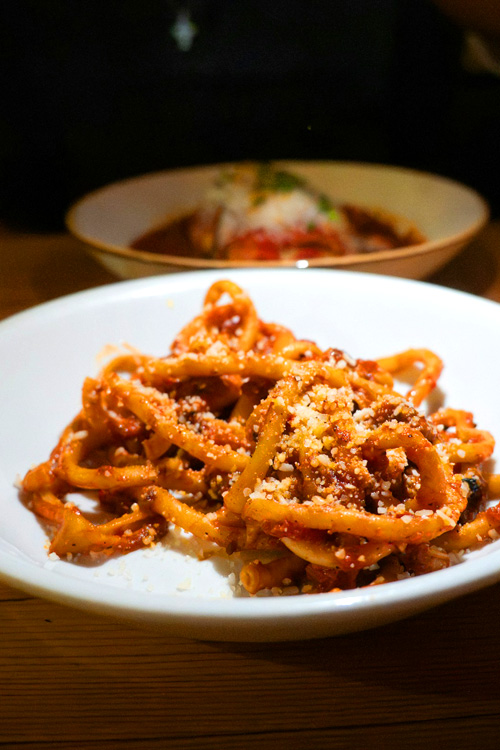
(Amatriciana Italian pasta – Photo by Anbinh Pho)
Amatriciana is a pasta dish that comes from the town of Amatrice, about two hours from Rome, but it has become a favorite in the capital. The sauce is made with guanciale, tomato, and pecorino Romano cheese.
It is often served with bucatini, a thick spaghetti with a hole running through the center. The dish has roots going back hundreds of years, when shepherds carried cured pork and cheese with them into the mountains.
Tomatoes were added later, after they arrived in Europe from the Americas. Amatriciana is part of Rome’s “four pastas,” along with carbonara, cacio e pepe, and gricia. Eating it in Rome connects you to local tradition and the wider Lazio region.
Many trattorias proudly serve their own version, and each bite balances salty pork with tangy tomato and sharp cheese. It shows how Roman cooking mixes simple ingredients into something memorable.
Read next: 10 Best Things to Do in Rome (Italy) in Winter & during the Christmas Holidays
4. Gricia
Gricia is sometimes called the “white amatriciana” because it uses guanciale and pecorino Romano but leaves out the tomato. It is considered one of the oldest pasta recipes in Rome, dating back before tomatoes were common in Italian cooking.
The dish is usually made with rigatoni or spaghetti, and the sauce comes together by mixing hot pasta with rendered guanciale fat and grated cheese. The name may come from the village of Griciano, where shepherds prepared it with the ingredients they carried.
Gricia is part of the famous Roman pasta family, showing how small changes in ingredients create very different flavors.
Today, it is less known outside Italy but remains a local favorite. Eating gricia gives you a taste of Rome’s past, when cooks relied on cured meats and cheese to make filling meals. It feels very rustic yet comforting.
5. Supplì
Supplì are fried rice balls that are a popular Roman street food. They are usually filled with mozzarella and ragù, then coated in breadcrumbs and fried until golden.
When you bite into one, the melted cheese stretches like a phone cord, which is why they are nicknamed “supplì al telefono.” Supplì date back to the 19th century, when they were sold as cheap snacks to workers and students.
They are similar to Sicilian arancini but smaller and more often filled with meat sauce. Today, you can find them in pizzerias, bakeries, and street stalls across Rome. Supplì are often eaten before pizza or as a quick snack on the go.
They show how Roman food culture values simple bites that can be enjoyed anywhere. Trying supplì connects you to everyday life in the city, where locals grab one with friends.
6. Pizza al Taglio
Pizza al Taglio means “pizza by the slice,” and it is one of Rome’s most popular street foods. Baked in large rectangular trays, the pizza has a light, airy crust that is cut into squares or rectangles and sold by weight.
Toppings range from simple tomato and oregano to zucchini flowers, potatoes, or prosciutto. This style of pizza became popular in the 20th century as a quick and affordable meal for busy city life.
Unlike Neapolitan pizza, which is round and served whole, Roman pizza al taglio is designed for sharing or eating on the go. Many bakeries and pizzerias specialize in it, and locals often stop for a slice during lunch breaks.
The crust is made with a long fermentation process, giving it a chewy texture and rich flavor. Eating pizza al taglio in Rome is a way to experience everyday food culture…
7. Maritozzo
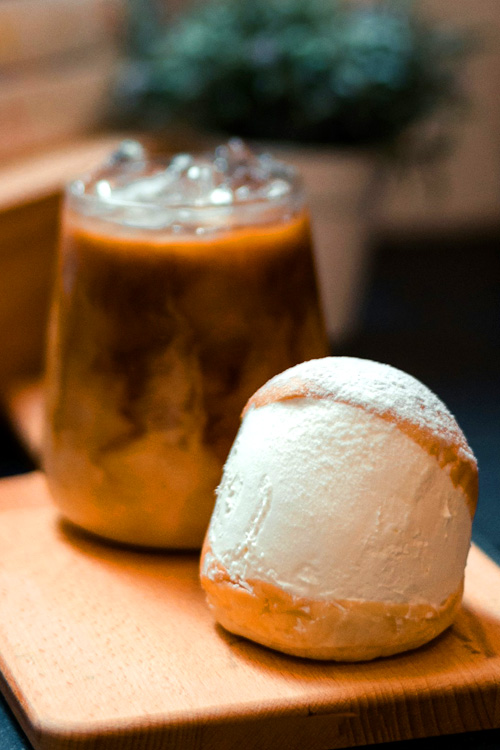
(Roman Maritozzo – Photo by pariwat pannium)
Maritozzo is a sweet brioche bun filled with whipped cream, often enjoyed at breakfast or as a treat. The name comes from the word “marito,” meaning husband, because in the past, young men gave these buns to their fiancées as a gift. Sometimes they even hid small presents inside the cream.
Maritozzi date back to ancient Rome, when honey and dried fruit were used instead of cream. Over time, the recipe changed into the soft, fluffy bun we know today.
They are especially popular during Lent, when they were once made with raisins and pine nuts. Today, you can find maritozzi in cafés and pastry shops across the city.
Eating one feels indulgent but also connects you to a tradition that mixes romance with food. The combination of light bread and rich cream makes it a favorite for locals and visitors alike.
8. Carciofi alla Romana
Carciofi alla Romana, or Roman-style artichokes, are a springtime specialty. The dish is made by braising artichokes with garlic, mint, parsley, and olive oil until tender.
Romans have been cooking artichokes this way for centuries, especially during the spring harvest. The recipe reflects the city’s love for seasonal vegetables and simple flavors. Artichokes were introduced to Italy by the ancient Greeks, and they became a staple in Roman cooking.
Carciofi alla Romana is often served as a side dish or appetizer, especially during Easter celebrations. The use of mint is unique to Rome and gives the dish a fresh taste.
Eating carciofi alla Romana connects you to the rhythms of the city’s food calendar, where certain dishes appear only at specific times of year. It’s a reminder that Roman cuisine is tied to the land and its traditions.
9. Saltimbocca alla Romana
Saltimbocca alla Romana is made with thin slices of veal topped with prosciutto and sage, cooked in white wine and butter. The name means “jump in the mouth,” because the flavors are so lively.
The dish has been part of Roman cooking since at least the 19th century, though similar versions exist in other parts of Italy. Saltimbocca shows how Roman cuisine often combines meat with herbs and cured products to create balance.
The sage adds a fresh note, while the prosciutto brings saltiness. It’s usually served with vegetables or potatoes, making it a filling main course.
Eating saltimbocca in Rome connects you to a tradition of hearty and elegant cooking. It reflects the city’s ability to take simple ingredients and turn them into something satisfying.
10. Trippa alla Romana
Trippa alla Romana is a dish made with tripe, or cow stomach, stewed in tomato sauce with mint and pecorino Romano. It is part of Rome’s cucina povera, or “poor cooking,” where every part of the animal was used to avoid waste.
Trippa has been eaten in Rome for centuries, especially on Saturdays, when many trattorias still serve it as a tradition. The tomato sauce makes the dish rich and hearty, while the mint adds a surprising freshness.
Pecorino Romano is sprinkled on top before serving, giving it a sharp finish. Trippa alla Romana reflects the city’s working-class history, when cooks turned humble ingredients into filling meals.
Today, it is considered a classic Roman dish, often enjoyed by those who want to taste authentic local flavors. Eating trippa connects you to the everyday traditions of Rome, where food represents resilience and creativity.
Read next: 50+ Fun Facts about Rome, Italy: Marble, Myths & Gladiators