
Sardinia, in Italy, is a land of contrasts where ancient ruins sit beside wild coasts. Quiet forests open up to bright sea views.
In this article, I’ll take you on an inspiring journey through 15 of the best things to see and do in Sardinia.
From prehistoric stone towers and hidden mountain villages to pale-blue bays and waters filled with dolphins.
Whether you prefer centuries-old towns or natural wonders, each of these experiences reveals a new side of this Italian island.
So, get ready to discover places that might just surprise you and leave you wanting more.
And, why not, you may be finding yourself preparing for your next travel destination in Europe!
Let’s get started!
Don’t miss: 15 Best Beaches in Sardinia, Italy for Your Summer Holidays
Keep in mind: Our articles may contain errors, despite our best efforts. So, do thorough research before deciding on a travel destination.
The Best Things to See & Do in Sardinia: Map Illustration
(Click on the image to open and download (or print) it in full-size.)

The Best Things to See & Do in Sardinia, Italy: My Favorite Experiences
1. Orgosolo: The Mural Capital

This video will be loaded from YouTube.com, a third party. If you click "Play", you accept their terms of service, and their use of cookies.
In 1969, local and foreign artists started painting large murals on the walls of Orgosolo. They turned its streets into an outdoor gallery.
These murals depict everyday life, politics, and the natural world around the town. Today, over 200 works cover homes and public buildings.
As you walk the main lanes, bright scenes mark each decade. Guides often share the stories behind each painting and explain why these images still resonate with the locals.
Read next: Sardinia (Italy) Honeymoon: 12 Romantic Destinations
2. Maddalena Archipelago: Pastel Colors and Enchantment

This video will be loaded from YouTube.com, a third party. If you click "Play", you accept their terms of service, and their use of cookies.
The Maddalena Archipelago includes seven main islands (La Maddalena, Caprera, Santo Stefano, Spargi, Budelli, Razzoli, and Santa Maria) and many tiny islets off Sardinia’s north shore. In the 1990s, it became a national park to protect rare plants and sea creatures.
Boat trips explore pink granite cliffs, hidden bays, and abandoned shipyards. Beneath the clear water, you’ll often spot sea turtles and schools of colorful fish.
Each island holds its own legends and has carried a name that sailors have used for centuries.
Read also: 10 Best Things to See & Do in Puglia (Italy): Bucket List Ideas
3. La Pelosa Beach: Crystal Waters and Silky Sand
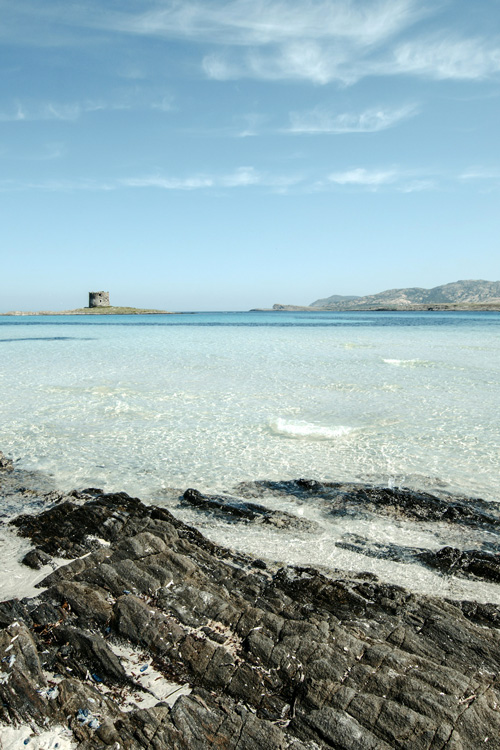
(La Pelosa beach, Stintino, Sassari, Sardinia, Italy – Photo by Claudia Mejia de la Cuz)
La Pelosa sits at Sardinia’s northwest tip, known for its pale blue water and white sand. The sea stays shallow far from shore, which makes it safe for kids to splash around.
A 16th-century watchtower stands on a small island just off the beach. In summer, lifeguards keep an eye out while snack stands offer cold drinks and ice cream.
This spot often ranks among Italy’s top coastal destinations.
Don’t miss: 10 Best Things To See & Do in Sicily, Italy: Don’t Miss These!
4. Nuraghi Sites: Ancient Megalithic Towers
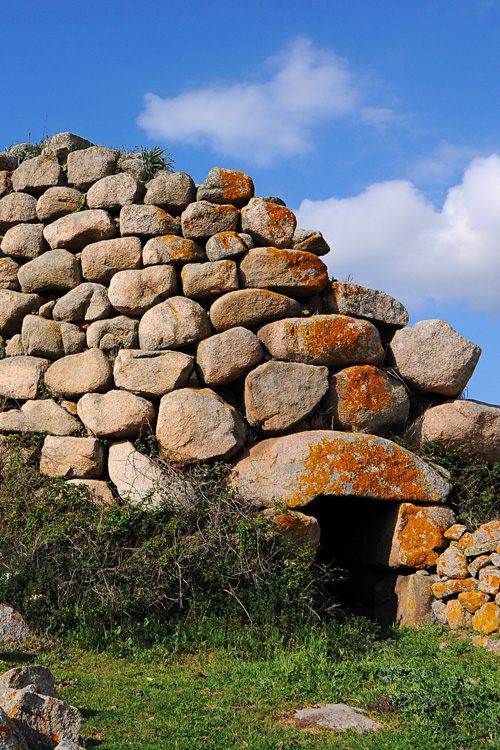
(Nuraghe Izzana (1600 BC) by Franco, CC BY-SA 2.0)
The Nuraghi are stone towers built by Sardinia’s Bronze Age people more than 3,500 years ago. Over 7,000 of these towers still stand across the island, each made from stacked rock blocks without mortar.
Su Nuraxi is the most famous complex and earned UNESCO World Heritage status in 1997. Archaeologists found tools, pottery, and hidden chambers inside many towers.
Visiting these ruins shows just how skilled those early builders really were.
5. Cagliari: Sardinia’s Capital
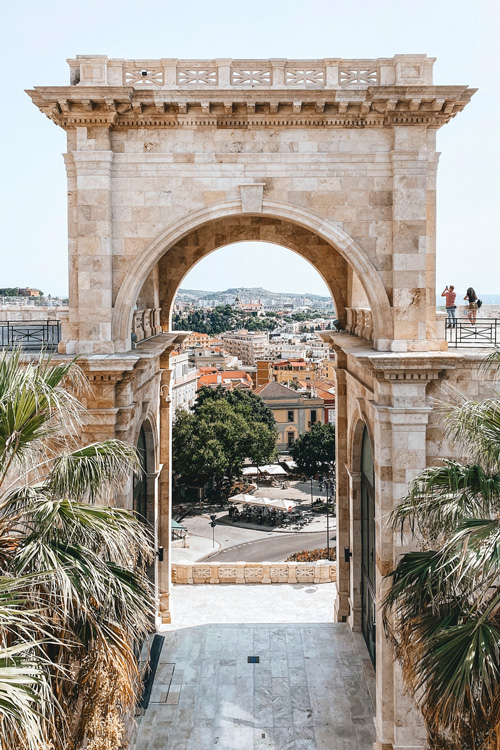
(Cagliari, Sardinia, Italy – Photo by Chloe Frost-Smith)
Cagliari dates back to Phoenician settlers around 700 BC and later grew into an important Roman port.
The city boasts ancient walls, medieval churches, and a castle district filled with narrow alleys.
At the Archaeological Museum, you’ll find Roman sculptures and old mosaics. From the castle walls, you get wide views over the harbor and the sea.
Every spring, the streets come alive with a folk festival, the Sant’Efisio festival, featuring traditional music, dance, and colorful local costumes.
Read next: 15 Luxury Beach Towns in Italy for Your Next Travel Adventure
6. Asinara National Park: Paradise of Wild Donkeys
Asinara Island was a high-security prison until 1997. Now, it’s a protected park.
White donkeys roam freely across the green fields. Trails wind past abandoned prison buildings and wild goats, as well as natural sea-carved arches.
Boat tours around the coast reveal Mediterranean seals and rare seabirds on rocky ledges. Guides share stories about the island’s past and how these animals came to thrive here.
7. Castelsardo: One of Italy’s Most Beautiful Villages
Castelsardo is a medieval town built around a 12th-century castle that sits high above the sea. The Doria family founded the fortress, which now hosts a museum.
Pastel-colored houses line the walls, and fishing boats fill the small harbor below. Local artisans still practice handwoven basketry, a tradition that goes back centuries.
8. Orosei Gulf and Gennargentu National Park: Sea, Canyons, and Coves
The Gulf of Orosei and the Gennargentu mountains create a large protected area on Sardinia’s east coast. You can hike into Gorropu Gorge, one of Europe’s deepest canyons, or relax on Cala Luna‘s white shore.
The park boasts peaks over 1,800 meters high and thick woodland paths. Guides lead trips to spot wild goats and rare birds on rocks.
In winter, the high summits sometimes hold snow, offering a cool break from the warmer coast.
9. Dolphin Watching in Olbia
Olbia is a coastal town where daily boat trips look for dolphins in nearby channels. These two-hour tours often spot playful striped dolphins leaping near the boat.
On sunny days, the dolphins swim alongside guests, making for some truly joyful moments. Captains share insights about dolphin behavior, feeding habits, and their seasonal routes.
Strict rules keep the animals at a safe distance, so they stay wild and unharmed.
10. Tiscali Village: Hidden Mountain Hamlet
Tiscali sits inside a cave on Mount Tiscali, built by the Nuragic people over 3,000 years ago. Back then, this remote settlement served as a refuge from invaders.
A path winds through pine woods, leading to stone ruins and narrow rock alleys. Archaeologists uncovered pottery, tools, and floors that offer a view into daily life long ago.
Few travelers make the trek, so the site feels like a secret world, quietly preserved by time!
Must read: Looking for Authentic Italy? Start with These 25 Enchanting Small Towns & Villages
11. Is Arutas and Piscinas Beaches: Unusual Seaside Gems
Is Arutas is famous for its tiny, round quartz grains that look like pearls underfoot. Just south, Piscinas has towering golden dunes that reach sixty meters high, standing beside old mining ruins.
The clear water and gentle waves make each beach perfect for photos. Local operators offer horseback rides along the dunes or boat trips to watch seabirds.
Few other spots on the island show such dramatic contrasts between land and sea.
12. Alghero: Caves, Cliffs, and Red Coral
Alghero was founded by Catalan settlers in 1354. Its streets still carry the language and style from that time.
The old town sits within stone walls, with narrow lanes lined by red coral shops. A short boat ride takes you to Neptune’s Grotto, a vast sea cave filled with stalactites.
Nearby, restaurants serve fresh seafood dishes like lobster pasta with tomato sauce. Each summer, musicians from across Europe gather here for an international jazz festival.
13. Nuoro: Exploring the Historic Center
Nuoro sits in Sardinia’s interior and is the birthplace of Nobel Prize winner Grazia Deledda. The town center has a well-known ethnographic museum and a hilltop tower that offers wide views.
Locals often gather for poetry readings celebrating Sardinian culture and history. The Museum of Sardinian Popular Life and Traditions (Costume Museum) is a museum that shows a collection of artifacts including clothes, jewelry, etc., from traditional life.
Nearby, Mount Ortobene invites visitors to explore easy trails through forests and rocky outcrops.
14. Sant’Antioco and San Pietro Islands: Two Maritime Gems
These islands off the southwest coast have been inhabited since the Phoenicians arrived over 2,500 years ago.
Sant’Antioco connects to the mainland by a bridge and features ancient rock-carved tombs.
On San Pietro, the town of Carloforte keeps alive a Genoese fishing tradition that’s lasted for centuries. Both islands host lively festivals celebrating local saints and the sea’s bounty.
Boat trips explore hidden bays and old watchtowers scattered along the rugged shoreline.
15. Costa Smeralda: The Luxury Coast
Costa Smeralda rose to fame in the 1960s when investors built high-end hotels and marinas for yachts. The road between Porto Cervo and Porto Rotondo winds past palm trees, designer shops, and beach clubs.
In summer, luxury cars line the streets near cafés and fine-dining spots. Nearby hills offer hiking routes that lead to panoramic views of private coves and the sea.
Many visitors charter boats to explore small beaches tucked along the rocky coast.