
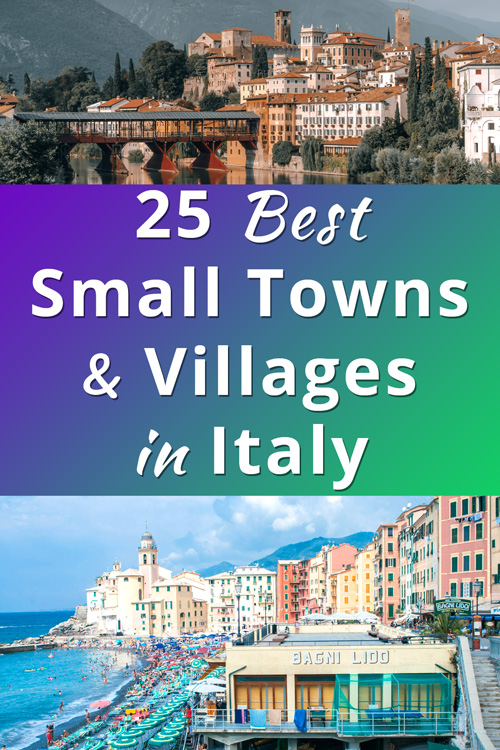
Italy, with its history and culture, really comes alive in its small towns and villages. These places have a certain magic you just can’t find anywhere else.
Travelers can walk through ancient streets and stumble upon timeless architecture. Traditions here aren’t just preserved: they’re lived, every single day.
Each town has its own story. There’s always a mix of local legends, art, and food that somehow captures the heart and soul of Italy.
Maybe you’re drawn to old fortresses and piazzas or just the quiet charm of the countryside. These destinations let you see a past filled with heritage and genuine community warmth.
And, why not, they might even inspire your next travel idea!
Don’t miss: 15 Luxury Beach Towns in Italy for Your Next Travel Adventure
Keep in mind: Our articles may contain errors, despite our best efforts. So, do a thorough research before deciding on a travel destination.
Best Small Towns & Villages in Italy: My Top Picks
1. Pienza (Tuscany)

This video will be loaded from YouTube.com, a third party. If you click "Play", you accept their terms of service, and their use of cookies.
Pienza in Tuscany is famous for its Renaissance-era architecture and those sweeping valley views that seem almost unreal.
People once called it Corsignano. In the 1400s, Pope Pius II decided to rebuild the town to show off bold new ideas in urban design.
When you visit, you’ll find sites like the cathedral and old palaces. And of course, you can’t miss the region’s pecorino cheese, it’s kind of a big deal here.
About 2,000 people call Pienza home. UNESCO recognizes it as a World Heritage Site, mostly thanks to its thoughtful layout and rich history.
Read next: 27 Best Small Towns in Tuscany, Italy, that You Should Visit
2. Bassano del Grappa (Veneto)

(Bassano del Grappa, Italy – Photo by Alessandro Porri)
Bassano del Grappa sits in the Veneto region, and its roots stretch way back to ancient times. The place feels like it carries its own quiet stories.
People mostly know it for the Ponte degli Alpini, a covered wooden bridge. A famous architect built it in the 1500s, and it still stands, well, after some rough patches.
The bridge crosses the Brenta River. Over the years, it has been damaged, but locals kept rebuilding.
Around town, you’ll spot old buildings and a handful of museums. They all do their part to share Bassano’s past.
These days, roughly 42,000 people live in Bassano del Grappa. If you visit, you’ll notice the art and traditional architecture, it’s like the town wears its history right on its sleeve.
3. Ostuni (Apulia)

(Ostuni, Italy – Photo by Luca Dimola)
Ostuni is called the “White City” because its buildings get a fresh coat of white lime.
The town’s roots stretch back for centuries. Greeks, Romans, and later the Normans all left their mark.
Ostuni’s old center features a big cathedral. You’ll also find historic stone walls and winding, narrow roads that really show its past.
Every year, the town hosts plenty of events and festivals. The countryside nearby is famous for olive oil and wine.
About 30,000 people live in Ostuni these days. It’s become a favorite spot for anyone curious about history or old architecture.
Read also: 18 Best Beach Towns in Puglia, Italy: Travel Ideas, Inspiration, Tips
4. Castiglione della Pescaia (Tuscany)

This video will be loaded from YouTube.com, a third party. If you click "Play", you accept their terms of service, and their use of cookies.
Castiglione della Pescaia is located in Tuscany. The town’s story started way back in medieval times, when folks built a fortress to keep their fishing community safe.
These days, you’ll find a castle perched above the sea. Stone houses and narrow roads still show its past.
Sandy beaches stretch along the coast, and there’s a nature reserve nearby where local wildlife gets protection.
Roughly 7,000 people live here. Travelers drop by to check out the old buildings and see those great coastal views.
5. Trevignano Romano (Lazio)
Trevignano Romano is a town in the Lazio region. It sits right on the northern shore of Lake Bracciano.
Its history stretches back for centuries. You can see marks from both ancient Etruscan and Roman times scattered around.
The town’s got several old stone buildings. There’s a small church and a town hall that really show off its past.
If you’re curious about history, the local museum displays items from earlier times. Visitors can get a real sense of the town’s long story there.
About 5,000 people are residents here. The streets are calm, and the clear lake views make it a relaxing place to walk and just enjoy being outside.
6. Camogli (Liguria)

(Camogli, Italy – Photo by Francesca Petringa)
Camogli is a fishing village in the Liguria region of northern Italy. Its history goes back many years when fishermen from the area began to use the safe harbor to start their sea journeys.
The town is known for its colorful houses along the water, an old church, and a museum that explains its maritime past.
Today, about 4,800 people live in Camogli, and it remains an important place for those who work on or are interested in the sea.
7. Orta San Giulio (Piedmont)

(Orta San Giulio, Italy – Photo by Harm van de Ven)
Orta San Giulio in Italy’s Piedmont region is a town that hugs the edge of Lake Orta, looking right out at the island of San Giulio.
You’ll spot stone buildings and little public squares. The winding roads remind you of days when trade and local traditions shaped daily life.
About 1,100 people live here. If you’re curious, a quick boat ride will take you to the island, where you can walk through its old basilica and other historical spots.
8. Carloforte (Sardinia)
Carloforte sits on San Pietro Island, just off Sardinia’s coast. Back in the 1700s, families from Pegli arrived, hoping to find rich coral fishing grounds.
The town’s got these narrow streets, all flanked by old houses. There’s a port area and a couple of small museums where you can learn about its past.
You’ll still hear the local Tabarchino dialect if you listen closely. About 5,900 people reside in Carloforte today.
Locals take real pride in their fresh seafood and old traditions!
Don’t miss: 15 Best Beaches in Sardinia, Italy for Your Summer Holidays
9. Certaldo (Tuscany)
Certaldo has roots that stretch back for centuries. People mostly know it as the hometown of the writer Giovanni Boccaccio.
The town splits into two spots: Certaldo Basso down below, and Certaldo Alto up on the hill. In Certaldo Alto, you’ll spot old stone buildings, a big palace called Palazzo Pretorio, and a museum that digs into the town’s story.
About 16,000 people call Certaldo home. Its narrow streets and ancient towers really make you feel like the past never left.
10. Positano (Campania)
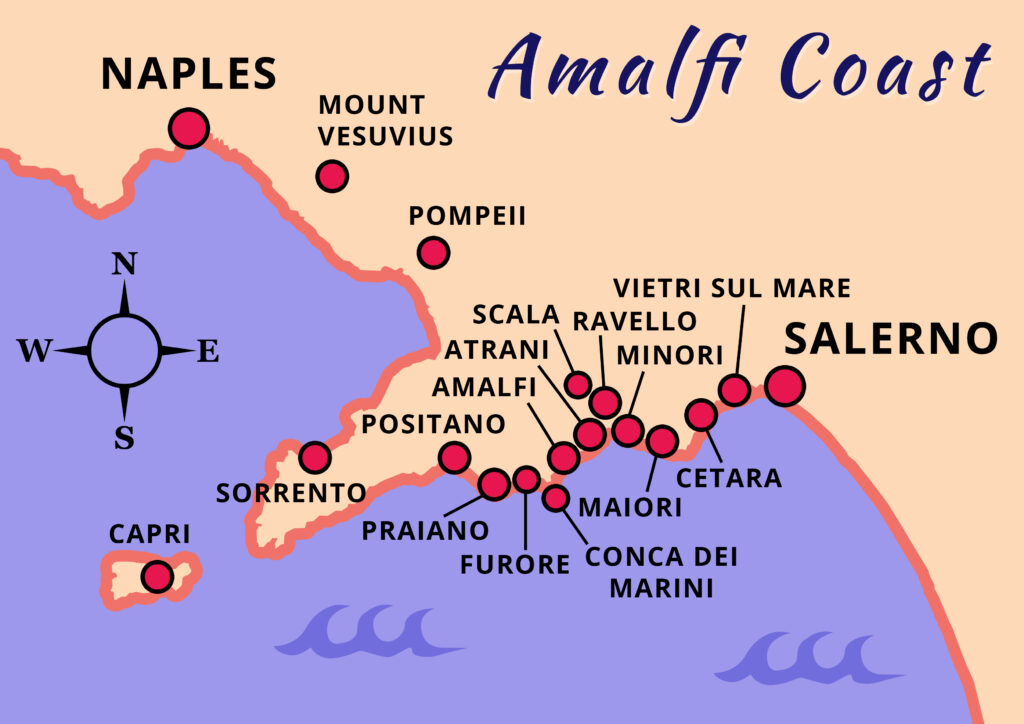
Positano is located on the Amalfi Coast, in Italy’s Campania region. This place has roots that reach back centuries.
It started out as a small fishing port, a safe haven when times got tough. In the 9th century, locals built a Benedictine abbey that really shaped the town’s path.
What makes Positano stand out? The houses cling to steep cliffs, all stacked up with amazing views of the sea. There’s also a beach that draws in crowds from all over.
Roughly 3,600 people live in Positano now. Its old buildings and seaside hangouts still hold onto that unmistakable Italian charm.
Read next: Amalfi Coast Map + Best Towns to Visit (Printable Illustrations)
11. Taormina (Sicily)
Taormina is a historic town in Sicily. Its roots go all the way back to ancient Greek and Roman times.
The town sits high on a hill, offering clear views of the Ionian Sea. You can also see Mount Etna in the distance.
One of the main attractions here is the ancient Greek theatre. People still gather there for plays and concerts.
Taormina has museums, old stone buildings, and public squares that show off its long history. Around 10,400 people call it home.
Tourists flock here every year. They come for the history and the ancient sites.
Must read: 10 Best Beach Towns & Cities in Sicily, Italy to Visit this Summer
12. Otranto (Apulia)
Otranto sits on the coast of Apulia, Italy, right at the country’s eastern tip. It’s a place with a rich history: Romans, Byzantines, Normans, they’ve all left their mark here.
One of the town’s standout sights is this big cathedral. People come from all over to see its intricate mosaic floor.
There’s also an old castle, built ages ago. You can still sense the defensive energy in its thick walls.
Otranto isn’t huge, about 5,500 residents call it home these days. If you wander the historic center, you’ll notice its narrow streets winding between ancient buildings.
13. Riomaggiore (Liguria)
Riomaggiore is a small village on the Ligurian coast of Italy. It’s one of the five iconic towns that make up the Cinque Terre.
The village traces its roots back to the Middle Ages. You can still see old stone houses, ancient towers, and a weathered local church if you walk through its paths.
Built along a narrow strip hugging the sea, Riomaggiore feels like a step back in time. About 1,300 people live here today. The place offers stunning sea views and rolling hills that really show off its rich history.
14. Vernazza (Liguria)
Vernazza is also part of the famous Cinque Terre. The town first appears in records around 1080.
Back then, people used it as a sea post for defense and trade. Eventually, Genoa took over, and Vernazza grew, showing off sturdy stone buildings and a natural harbor that kept ships safe.
You can wander past the old church of Santa Margherita d’Antiochia. There’s also a small castle.
Today, about 700 people live in Vernazza. Its historic sites and open port still carry the weight of its long history.
15. Polignano a Mare (Apulia)
Polignano a Mare is a town in the Apulia region that sits on a high coastal cliff overlooking the Adriatic Sea.
Its history stretches back for ages, rooted in both Greek and Roman times. In the town center, you’ll find old stone buildings and streets that twist and turn in ways only ancient places can.
There’s a Roman bridge here, still standing after all these years. It’s the kind of thing that makes you stop and wonder how they built it.
A sea cave nearby draws visitors, too. The view from there, especially at sunset, has a way of sticking with you.
Polignano a Mare played a key role in trade and fishing back in the day. Now, about 17,000 people call it home.
The historic sites and those endless sea views give you a real sense of both where the town came from and where it’s headed.
16. Ragusa Ibla (Sicily)
Ragusa Ibla is an old quarter in the city of Ragusa, Sicily. People first settled here in ancient times.
After a huge earthquake hit in the 1600s, the area got rebuilt with Baroque flair. Its main sites? The Cathedral of San Giorgio, a handful of historic churches, and some genuinely lovely public gardens.
You’ll spot plenty of stone buildings and open squares that really show off its long history. Ragusa Ibla belongs to a bigger city with over 70,000 people, but this district somehow feels much smaller, almost timeless.
Read also: 15 Mistakes to Avoid on Your Sicily Travel Adventure
17. Civita di Bagnoregio (Lazio)
Civita di Bagnoregio is called the “Dying City” because it clings to a tuff hill that’s slowly crumbling away.
The Etruscans settled here over 2,500 years ago. Later on, the town grew during medieval times and picked up its own personality.
You’ll find old stone houses and a small public square. There’s also this narrow pedestrian bridge, the only way in or out.
These days, just around 11 people actually live here. Still, the place draws plenty of visitors who want to experience its history and scenery.
18. San Gimignano (Tuscany)
San Gimignano is famous for its medieval towers. Back in the early Middle Ages, families started building stone towers to show off their strength.
You’ll spot old stone buildings, quiet churches, and a big town square. There are a few museums scattered around, and they dig into the town’s past and the art that bloomed during those times.
About 7,500 people are residents here. Its ancient towers and monuments offer a view into the region’s history.
Read also: 37 Best Things To Do in Tuscany, Italy: Quick Ideas for Your Bucket List
19. Modica (Sicily)
Modica started as a small settlement. After a huge earthquake in the 1600s, people rebuilt the town in a new style. The town splits into two distinct parts.
One of the main highlights here is the Cathedral of San Giorgio. Modica’s also famous for its unique chocolate, crafted with a really old recipe.
Today, around 53,000 people live in Modica.
20. Manarola (Liguria)
Manarola is another one of the beautiful Cinque Terre villages in Liguria.
The town traces its roots back to the 12th century. Back then, locals mostly fished and made wine.
There’s an old church from the 1300s right in the heart of Manarola. The houses, splashed with bright colors, crowd right up to the sea.
Only about 350 people live in Manarola today. Many visitors come here each year for the sea views and the historical buildings.
21. Volterra (Tuscany)
Volterra sits on a hill in Tuscany. It’s really old: people started living there over 2,000 years ago when the Etruscans first showed up.
The Romans came along later and built many stone buildings. There’s even a Roman theater that’s still standing.
In medieval times, the townspeople built strong walls and towers to keep everyone safe. You can still see those defenses today.
Now, visitors walk through museums, ancient streets, and check out forts. Local artisans work with stone in small shops, and you can watch them while working.
About 9,400 people are residents of Volterra.
22. Alberobello (Apulia)
Alberobello is best known for its stone houses, the trulli.
Back in the early 1500s, a local count let families build these homes using dry stone methods. It helped them dodge taxes.
The trulli have since become a big part of what makes Alberobello unique. UNESCO even named the area a World Heritage Site.
Today, the residents are around 10,000. If you walk through the historic parts like Rione Monti and Aia Piccola, you’ll see plenty of trulli and get a real sense of the town’s history.
23. Castelluccio di Norcia (Umbria)
Castelluccio di Norcia is a tiny mountain hamlet in the Umbria region. It belongs to the town of Norcia and sits way up in the Apennines, over 1,400 meters above sea level.
The area’s got some serious history, stretching all the way back to the Roman era. You can still see marks from medieval times if you look closely enough.
People know the town for its lentil fields. In spring, the plain bursts into color with wildflowers, and it’s pretty stunning.
These days, about 120 people live in Castelluccio di Norcia.
24. Castelmezzano (Basilicata)
Castelmezzano sits high in the mountains of Basilicata at about 750 meters above sea level. Early settlers from Greek and Roman times left their mark here.
You’ll find stone houses, the remains of an old castle, and narrow streets.
The zip-line ride, locals call it the Flight of the Angel, goes from Castelmezzano to Pietrapertosa. The views of the valley might just take your breath away.
About 700 people live here today. With its historic sites and dramatic natural setting, Castelmezzano is one of southern Italy’s most unique spots.
25. Bosa (Sardinia)
Bosa sits right along the Temo River. The town’s roots reach way back: Phoenicians and Romans once called this place home.
During the Middle Ages, the Malaspina family left their mark here. Walk uphill and you’ll see the old castle watching over everything.
Walk the narrow streets and you’ll find houses in soft, faded colors. Small museums wait for curious visitors, each one keeping a bit of Bosa’s story alive. About 7,300 people live here now.