
Winter in Italy has a particular rhythm. It’s very cozy and inviting. Streets are quieter, mountains wear fresh snow, and cities glow with soft lights.
The season brings out a different side of the country. One that feels slower and more thoughtful. You start to notice small details you might miss in summer.
You can walk through historic centers without rushing. Warm meals seem to match the colder air perfectly.
Landscapes shift with mist, frost, or sudden clear skies. From northern peaks to southern coastlines, each place shows off its own kind of winter charm.
In this article, I want to take you on a journey through 10 destinations you should visit in Italy in winter.
They perfectly capture how magical Italy feels when the days are short and the nights look brighter and with a festive spirit.
Be it art, food, or nature, these places invite you in. Winter in Italy feels both familiar and totally new…
Let’s get started!
Don’t miss: 10 Best Things to Do in Rome (Italy) in Winter & during the Christmas Holidays
Keep in mind: Our articles may contain errors, despite our best efforts. So, do thorough research before deciding on a travel destination.
Northern Italy: Snowy and Foggy Destinations
1. Cortina d’Ampezzo

This video will be loaded from YouTube.com, a third party. If you click "Play", you accept their terms of service, and their use of cookies.
Cortina d’Ampezzo is right in the heart of the Dolomites. It feels like winter just belongs here…
The town moves at a friendly pace. Cozy cafes are in the streets, and after a fresh snowfall, everything goes quiet.
You can spend your days skiing or snowboarding. There are gentle runs and tougher slopes too. Or maybe snowshoeing sounds good? The marked trails go through some pretty magical spots.
If you’re not a morning person, that’s fine. Grab a pastry from a local bakery and relax over hot chocolate.
Shops here sell mountain gear and simple, stylish clothes you’ll actually want to use.
Evenings are easygoing. Casual trattorias, wood-fired pizzas, and big bowls of stew that warm you up from the inside out…
On clear days, you can hop on a cable car. The wide view over pale rock peaks and valleys is really worth it.
If you’re curious about the local culture, there are small museums sharing the area’s mountain stories. They’re not flashy, but they’re honest.
When you need a break, book a little time at a wellness spa. A sauna and a soak can work wonders after a day outside.
Cortina makes a great base for exploring. Nearby villages, frozen lakes, and scenic passes all look a bit different every day of winter.
Read also: 10 Best Mountain Towns in the Italian Dolomites for Your Next Adventure
2. Bolzano

This video will be loaded from YouTube.com, a third party. If you click "Play", you accept their terms of service, and their use of cookies.
Bolzano brings together a warm winter mix of Italian and Austrian vibes. The streets invite you in, lined with colorful buildings and an easygoing pace that’s pretty relaxing.
In December, the Christmas market pops up with wooden stalls, local crafts, and food that makes the evenings feel bright and cheerful. If you want a change of scenery, hop on a cable car up to Renon for mellow hikes and wide-open views.
The South Tyrol Museum of Archaeology lets you meet Ötzi the Iceman and peek into Alpine life from ages ago. Food here is all about comfort: dumplings, smoked meats, apple strudel, and cheeses from the region.
You might want to try a glass of Lagrein or Gewürztraminer from vineyards not far away. Walking the old town’s arcades, you’ll stumble on shops with wool sweaters, ceramics, and gifts that are actually useful.
Sometimes, it’s worth getting into a church just to listen to music or enjoy a bit of quiet. If you’re up for a short trip, Merano or Bressanone offer thermal baths, river walks, and compact, historic centers.
Bolzano really feels like a cozy winter base for simple pleasures and gentle mountain adventures.
Read next: Christmas in Italy: Here Are the 12 Best Christmas Markets You Should Visit
3. Turin

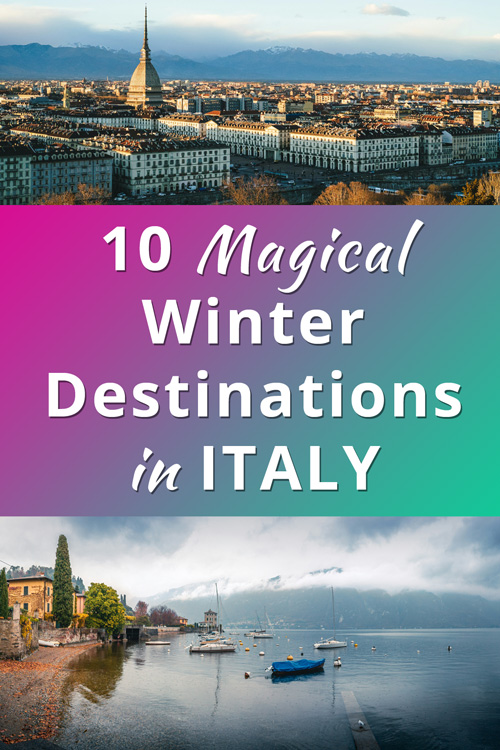
(Turin, Italy – Photo by Fabio Fistarol)
Turin gives off a thoughtful winter city vibe. You’ll see grand boulevards, arcaded sidewalks, and calm coffee bars that invite you to relax.
You can start with the Egyptian Museum. It has one of Europe’s deepest collections. Then walk to the Royal Palace and the old Savoy sites if you’re curious about how Turin shaped modern Italy.
Cafés here serve bicerin, a layered drink with espresso, chocolate, and cream. It tastes best on cold afternoons when you need a little comfort.
Chocolate shops are everywhere and feel like part of daily life. Don’t skip gianduiotto or those classic pralines; they’re worth the hype.
If you’re into design, the National Automobile Museum dives into stories of Italian cars and clever engineering. Sports fans might want to check out Juventus’ stadium and museum; it’s a real peek into football culture.
The food? Hearty and comforting. Agnolotti pasta, braised meats, and polenta, which just work on winter nights.
You can hop on the historic tram up to the Basilica of Superga. The view over the city and the snowy Alps is simple, but it’s lovely.
Turin also makes it easy to reach nearby ski areas in Piedmont. So you get a mix of city culture and mountain days, all in one week.
Must read: Exploring Turin (Italy): 10 Best Things to Do & Experiences You Can’t Miss
4. Lake Como
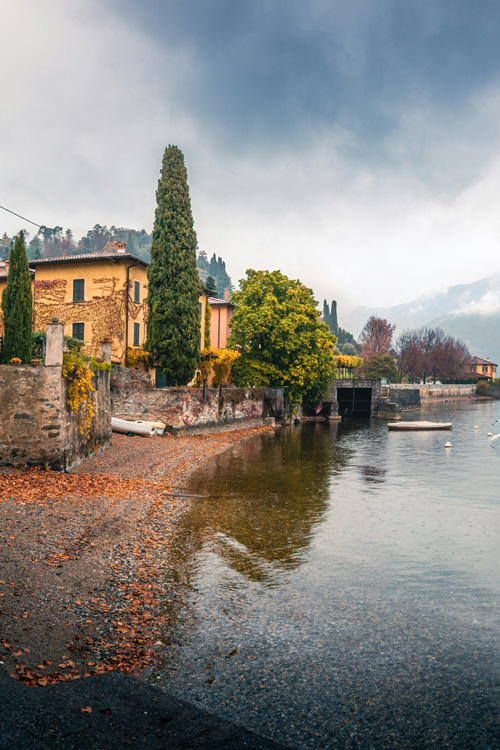
(Bellagio in winter, Lake Como, Province of Como, Italy – Photo by Isaac Maffeis)
Lake Como slows down in winter and becomes peaceful and misty, with quiet waterfront walks and empty boat docks.
The towns of Como, Bellagio, and Varenna feel smaller and cozier, and you can explore without crowds. You can spend your mornings strolling along the promenade, stopping for espresso and a pastry.
You can visit the Como Cathedral and the small museums to learn about local art and history. Villa gardens may be resting, but their architecture and lake views still feel special on a crisp day.
You can also ride the funicular up to Brunate for a wide view, then follow easy trails through chestnut woods. Food stays simple and warm: lake fish, risotto, and polenta.
Ferries run on limited schedules, so plan your moves between towns with time in mind. This is a good place to relax, read, and enjoy slow evenings.
If you want a change of scene, take a short train to Milan for galleries and shopping, then come back to the lake’s calm.
Don’t miss: 10 Best Towns & Villages in Lake Como that You Should Visit (+ Map)
Central and Northern Italy: Art and Culture without Crowds
5. Florence
Florence in winter is quieter, which makes visiting art and landmarks feel more relaxed. You can start with the Uffizi and Accademia to see Renaissance works, then step into smaller spaces like the Bargello or the Medici Chapels for a deeper look.
Climb the Duomo or Giotto’s bell tower on a clear day for views over terracotta rooftops. Walk along the Arno and cross the Ponte Vecchio to browse jewelry and tiny workshops.
Food is hearty and local: ribollita soup, bistecca, and lampredotto will keep you warm. Cafés invite slow breaks with espresso and cantucci.
Next, explore Oltrarno for artisan studios where leather goods and paper marbling are made in front of you. On rainy afternoons, you can find shelter in a church and listen to live music or enjoy the quiet.
Day trips to Siena, Pisa, or Lucca are easy by train and bring more medieval streets to walk. Evenings are simple with wine bars, small trattorias, and calm walks through beautiful piazzas.
Read next: 10 Best Things to See & Do in Florence in Summer
6. Rome
Rome in winter feels easier to navigate, with cooler air and smaller lines at major sites. You can visit the Colosseum, Roman Forum, and Palatine Hill without the summer crowds.
Step into the Vatican Museums and St. Peter’s Basilica, and give yourself time to look closely at details you might miss in a rush.
Next, wander Trastevere’s cobbled streets for street food and neighborhood bars. Try artichokes, cacio e pepe, and hot supplì for simple comfort.
Rome’s churches offer quiet corners and sometimes free music, which suits cold evenings well. Enjoy the Pantheon, then follow small lanes to find hidden fountains and cheerful cafes.
Winter markets add light and color, especially near Piazza Navona. If you like contemporary art, visit MAXXI or the MACRO and see how Rome keeps reinventing itself.
Use a bus or tram when rains come, and keep a flexible plan. In winter, Rome rewards slow and curious days where history and daily life mix naturally.
Read also: 50+ Fun Facts about Rome, Italy: Marble, Myths & Gladiators
7. Venice
In winter, Venice feels like a dream, with foggy canals, soft echoes on stone, and quiet bridges. Walking from San Marco to the Rialto, you can notice how empty spaces change the city’s feel.
Visit Doge’s Palace and the Basilica early in the day, then explore small museums like the Peggy Guggenheim Collection for a modern shift.
Next, ride a vaporetto along the Grand Canal and watch palazzi fade in the mist. Food favors warmth: seafood risotto, polenta, and cicchetti in standing bars.
Inside bookshops and artisan studios, you’ll see marbled paper, glass, and masks made by hand. Tip: In winter, tide changes can bring high water, so plan routes with flexibility and enjoy the city at its own rhythm.
Venture into Cannaregio or Dorsoduro for local life and calmer streets. On clear afternoons, cross to the islands: Murano for glass, Burano for color, Torcello for quiet. Evenings are gentle, perfect for simple dinners and slow walks home.
You’ll also love: 15 Best Things to See & Do in Venice (Italy) for an Unforgettable Trip
Southern Italy: Mild Weather and Festive Atmosphere
8. Naples
Naples brings energy and tradition to winter with busy markets and strong street culture. The historic center is packed with artisan workshops, especially along San Gregorio Armeno, where nativity scenes are crafted in many styles.
You can visit the National Archaeological Museum to see mosaics and artifacts from Pompeii and Herculaneum.
Next, try pizza from a classic pizzeria, then explore simple dishes like pasta e patate, fried seafood cones, and warm sfogliatella.
Walk the seafront on a bright day and look toward Mount Vesuvius. Day trips to Pompeii, Herculaneum, and the Phlegraean Fields give history a personal feel.
Back in the city, you can discover underground tours and old catacombs that reveal layers beneath the streets.
If you want a calm break, get into a cloister garden or a quiet church. Naples is real and unscripted, with friendly locals and daily life always on display. It’s a place to eat well, learn plenty, and move at your own rhythm.
Don’t miss: 22 Best Things to See & Do in Naples, Italy: Ideas You Can’t Miss
9. Sicily
Sicily offers a softer winter with mild weather, open skies, and space to explore.
First, choose a base: Palermo for markets and street food, Catania for city life under Etna, or Siracusa for ancient stones by the sea.
Next, visit temples in Agrigento and the Roman mosaics at Villa Romana del Casale for a look at deep history. On clear days, you can ride up Mount Etna and see snow on black lava fields.
Food is generous and simple: arancini, caponata, fresh fish, and cannoli are great in the cooler months. Markets show citrus piled high, swordfish on ice, and sweets scented with pistachio.
You can walk seaside promenades, then visit Norman churches and Arab-inspired courtyards that show the island’s rich story.
If you enjoy wine, you can plan a tasting in the Etna or Marsala areas. In winter, tourist numbers drop, so you can walk at your own speed and talk with locals more easily. Sicily offers history, nature, and everyday life all close together.
Read also: 10 Unforgettable Experiences in Sicily, Italy
Bonus Destination: Fashion and Culture
10. Milan
Of course, Milan! The city offers a crisp winter feel with design, fashion, and a strong coffee culture.
First, start at the Duomo and its rooftop terraces for skyline views, then visit the Galleria for classic architecture and window browsing.
Next, see The Last Supper with a timed ticket, and spend time in Brera exploring galleries and small studios. Modern art at the Pirelli HangarBicocca or the Museo del Novecento offers a fresh look at Italian creativity.
Cafés serve rich espresso and simple pastries that are great for cold mornings. Shopping ranges from high-end boutiques to smart and practical pieces in local shops.
Food includes risotto alla milanese, ossobuco, and warm desserts after dinner. You can also stroll the Navigli at dusk for canal reflections and bars with friends.
Milan also makes travel easy, with trains to Bergamo, Lake Como, or Turin for short day trips. Even in winter, the city is active and curious, welcoming you to explore…
Read next: 15 Best Things To Do in Milan in Summer