
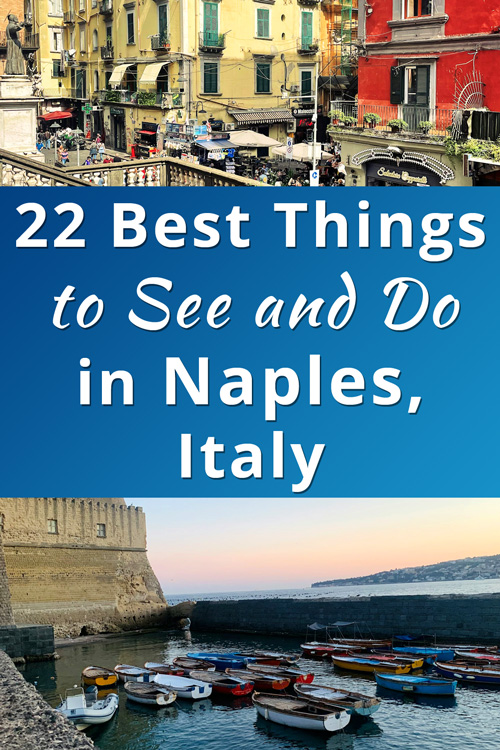
Naples, Italy’s third-largest city, is an incredible mix of ancient history, world-class art, and authentic Italian culture. It’s easily one of southern Italy’s most rewarding destinations.
This metropolis offers everything from exploring underground catacombs and climbing the legendary Mount Vesuvius to discovering Renaissance masterpieces and tasting the world’s best pizza in its birthplace.
You’ll find yourself in a city where historic streets lead to grand palaces, Roman ruins sit next to baroque churches, and the daily energy is unlike anywhere else in Italy.
The city’s spot on the western coast gives you stunning Mediterranean views. It’s also a great jumping-off point for famous archaeological sites like Pompeii and Herculaneum.
You can spend days wandering UNESCO World Heritage streets and visiting world-renowned museums. There are also hidden underground passages that go back centuries.
From elegant seaside neighborhoods to the charm of the historic center, Naples rewards anyone willing to embrace its authenticity. The city’s culinary traditions have influenced Italian food everywhere.
Architectural treasures span multiple centuries, and there are day trips to some of southern Italy’s most beautiful spots. Naples is a city that doesn’t try to impress, it just does!
Let’s explore 22 of the best things to do and places to see in Naples:
Don’t miss: 15 Things To Do on the Amalfi Coast (Italy): Ideas for Every Type of Traveler
Keep in mind: Our articles may contain errors, despite our best efforts. So, do a thorough research before deciding on a travel destination.
Historic Center and Famous Streets
Naples’ historic center is a UNESCO World Heritage site, with ancient streets forming a museum of European history.
1. Spaccanapoli Street Walk

This video will be loaded from YouTube.com, a third party. If you click "Play", you accept their terms of service, and their use of cookies.
Spaccanapoli is Naples’ most famous street. The name literally means “Naples splitter” because it cuts straight through the historic center.
The official name is Via San Biagio dei Librai, but it changes names as you walk. It runs parallel to Via dei Tribunali, which has a similar style.
Along the way, you’ll pass crumbling palazzos with centuries of different architecture. The street’s rough beauty really shows the real Naples, no filter.
Main stops along Spaccanapoli: Piazza San Domenico Maggiore, Piazza del Gesù Nuovo, Piazzetta Nilo.
Street food vendors are everywhere. You can grab a cuoppo (fried seafood in a paper cone) or pizza a portafoglio (folded pizza). For sweets, you can go for sfogliatella pastries or rum-soaked babà cakes.
The street gets especially lively at sunset when locals gather in the piazzas for a drink or two. It’s the kind of place where you can just stand still and watch Naples happen around you.
2. Quartieri Spagnoli and Via Toledo

This video will be loaded from YouTube.com, a third party. If you click "Play", you accept their terms of service, and their use of cookies.
Via Toledo is one of Naples’ most important tourist streets. It dates back to 1536 and connects a bunch of the city’s big sights.
This historic street runs through the Quartieri Spagnoli (Spanish Quarters), a neighborhood of narrow alleys and tall buildings that feels like a maze. There’s nowhere else quite like it.
Via Toledo is perfect for shopping and people-watching. You’ll find local shops, international brands, and an endless parade of Neapolitans going about their day.
The Spanish Quarters show authentic Naples life. Laundry hangs between buildings, and neighbors chat from their windows. It’s a little gritty, but that’s part of the charm here.
3. Via San Gregorio Armeno

(Naples, Italy – Photo by Nella N)
Via San Gregorio Armeno is better known as Christmas Street. It’s a narrow, pedestrian-only lane running between Spaccanapoli and Via dei Tribunali.
Christmas is a year-round thing here. Both sides of the street are packed with workshops and stands selling presepe (nativity figures), many of them hand-carved and hand-painted.
Each figure is unique and full of detail. You’ll spot traditional nativity characters plus modern figures of celebrities and politicians, why not?
Local artisans work in their shops, and you can watch them create new pieces. It’s a little chaotic, but that’s Naples.
The street is packed during the actual Christmas season. If you want a quieter experience, try visiting in the morning. The craftsmanship here goes back centuries!
Naples’ Artistic and Architectural Masterpieces
Naples is full of religious art and architecture, especially in its churches.
4. Cappella Sansevero and Veiled Christ
The Cappella Sansevero is home to one of Italy’s most famous sculptures, the Veiled Christ by Giuseppe Sanmartino. This 18th-century marble work looks so delicate you’ll want to touch it (don’t, though).
The chapel doubles as the Museo Cappella Sansevero. There are other amazing sculptures too, and in the basement, you’ll find anatomical machines showing preserved human circulatory systems. Strange, but fascinating.
It’s on Via Francesco de Sanctis and isn’t a big place, but it’s powerful. The entrance fee covers everything. Give yourself at least half an hour to visit it.
Don’t miss: 25 Most Beautiful Churches in Italy: Aesthetic Photos and Interesting Facts
5. Naples Cathedral
Naples Cathedral is a mix of different architectural styles. The Gothic facade leads into a space filled with frescoes, marble, and religious artifacts.
The Palatine Chapel inside is especially important. The main altar is a sight: lots of intricate details and a sense of history everywhere you look.
The cathedral is right in the historic center. Entry is free, though donations are always a nice gesture. Visit during the day for the best light through the stained glass windows.
6. Chiesa del Gesù Nuovo
This church is hard to miss with its diamond-pointed stone facade. It looks like a fortress from the outside, but inside it’s a riot of Baroque color and gold.
Frescoes cover the walls and ceiling, and the gold details and marble columns are seriously over the top, in a good way. There are several side chapels with even more art and religious items.
The building started as a palace before becoming a church, which explains the odd exterior. The transformation created one of Naples’ most distinctive religious sites.
Ancient History
Naples is loaded with ancient artifacts and medieval fortresses. The city’s archaeological museum is world-class, and its castles are beautiful.

(Naples, Italy – Photo by Theodore Poncet)
7. Naples National Archaeological Museum
The Naples National Archaeological Museum is one of Europe’s best for ancient history. Built in the 1750s as military barracks, it now holds treasures from Pompeii, Herculaneum, and the wider Roman world.
The museum’s highlight is the Farnese Bull, a massive marble sculpture from ancient Rome.
The Gabinetto Segreto is the museum’s “secret room” of art from Pompeii, once hidden away for being too scandalous. If you’re curious, it’s worth a peek.
Plan for at least a couple of hours here. The museum is close to the harbor and easily reached by metro at the Museo station.
Must read: 10 Must-See Historical Places in Italy for Your Next Destination
8. Castel Nuovo (Maschio Angioino)
Castel Nuovo dominates the Naples skyline with its round towers. Built in 1282, it was once the royal residence for the Kingdom of Naples and Sicily.
The triumphal arch entrance, added in the 15th century, is a Renaissance showpiece celebrating Alfonso I of Aragon’s arrival. It’s the kind of place that makes you want to take a hundred photos.
Main Features: Five crenellated towers; Palatine Chapel with original frescoes; Baron’s Hall with painted ceiling; Panoramic views from the ramparts.
The castle’s central courtyard often hosts cultural events. You can climb up for fantastic harbor views and a sense of history.
It’s near Piazza del Plebiscito, so you can easily walk to the Royal Palace of Naples and other historic spots.
9. Castel dell’Ovo and Borgo Marinaro
Castel dell’Ovo is Naples’ oldest fortress, dating back to the 6th century BC. It sits out in the sea on what was once the island of Megaride, now linked to the mainland by a stone causeway.
The name means “Egg Castle,” thanks to a medieval legend about a magic egg hidden in its foundations. Apparently, the city’s fate depended on that egg staying intact. Who knows?
What You’ll Find: Ancient Roman ruins; Medieval defensive walls; Art exhibitions and cultural displays; Panoramic Mediterranean views.
The nearby Borgo Marinaro is a tiny harbor district with a fishing village feel. There are colorful boats, seafood restaurants, and waterfront cafes, perfect for a lazy afternoon!
You can walk the castle’s ramparts for views of Mount Vesuvius and the Bay of Naples. Entry is free.
Sunset from here is breathtaking. Bring your camera, or just enjoy it in the moment.
Underground Naples and Hidden Treasures
Beneath Naples’ streets is a whole world of ancient tunnels, Roman ruins, and historic sites. These underground spaces reveal centuries of history, from Greek-Roman aqueducts to early Christian catacombs.

(Naples, Italy – Photo by Zsolt Cserna)
10. Naples Underground and Roman Theater
Naples Underground takes you into a 2,400-year-old tunnel system carved out of volcanic tufa. Greek settlers started these tunnels to get building stone, and the Romans expanded them into aqueducts supplying water to the city.
Over the years, the tunnels served all kinds of purposes. During the second World conflict, thousands of locals hid here during air raids.
Tours last about 90 minutes. Bring a light jacket, since it stays cool underground. The Roman theater is partly buried under modern buildings, but you can still see seating areas and stage foundations.
11. Catacombs of San Gennaro
The Catacombs of San Gennaro are Naples’ most important early Christian burial site. These underground chambers go back to the 2nd century AD and are decorated with stunning frescoes and mosaics.
San Gennaro, Naples’ patron saint, was originally buried here in the 5th century, making the catacombs a major pilgrimage spot back in the day.
The catacombs have two levels connected by ancient staircases. You’ll see well-preserved Christian artwork, including biblical scenes and portraits of the departed.
12. Cimitero delle Fontanelle and Via Fontanelle
Cimitero delle Fontanelle sits in an ancient tufa quarry in the Sanità district. This unusual cemetery holds the skulls and bones of about 40,000 people lost to plague and cholera.
Via Fontanelle leads you through narrow streets to this moody site. The cemetery is a window into Naples’ complex relationship with death and spiritual tradition.
Local families once “adopted” anonymous skulls. They cared for them, hoping for prayers and protection in return.
This tradition, honestly a bit eerie but fascinating, carried on well into the 20th century. It’s a folk ritual you won’t find anywhere else.
The cemetery has three main sections, organizing remains by type. Skulls line shelves and altars in an oddly orderly fashion.
You can wander alone or join a guided tour. Either way, there’s plenty to see if you’re up for it.
Naples’ Cuisine and Local Specialties
Naples is Italy’s food capital, no argument there. This is where Neapolitan pizza was born, and where traditional pastries somehow taste better with the local espresso.
The city’s markets are always full. Fresh seafood, local veggies, and street food have fed generations here.

(Naples, Italy – Photo by Barari L&C)
13. Authentic Neapolitan Pizza
Pizza Margherita is the classic. It’s simple: San Marzano tomatoes, mozzarella di bufala, and basil on a thin, wood-fired crust.
For the best, try Da Michele. This family-run spot has only ever served two types of pizza since 1870. Their ovens get so hot, 900°F, that the crust chars just right.
Pizza fritta is a different type. These fried pockets, stuffed with ricotta, salami, and mozzarella, are sold steaming hot by street vendors all over town.
Then there’s pizza a portafoglio, or “wallet pizza.” Folded in half, it’s made for eating on the go. Just a couple of euros, and you’re set for a snack as you wander.
14. Neapolitan Pastries and Espresso
Sfogliatella is Naples’ signature pastry. There are two kinds: the crisp, ricotta-filled riccia and the smoother frolla.
Bakeries make them fresh every morning. Those flaky layers? They take hours to get right.
Babà is another favorite: spongy little cakes soaked in rum syrup. Some come with cream or even a bit of citrus zest.
And of course, there’s espresso. Locals drink it standing up, fast, at the bar. It’s bolder and richer than anywhere else in Italy. No contest.
15. Mercato di Porta Nolana
Porta Nolana market is pure Naples. It’s crowded, loud, and near the train station, definitely more for locals than tourists.
Seafood comes in fresh every morning. You’ll see octopus, sea bream, even eels, all for sale at decent prices.
Stalls overflow with seasonal veggies, herbs, and fruit. This is where local restaurants get their best ingredients.
On the edges, street food vendors fry up seafood and veggies in tiny batches. Try a few, you’ll be glad you did.
Places to See & Things to Do around Naples
Naples is the jumping-off point for some of Italy’s best spots. Here are some of them:
16. Pompeii and Herculaneum
Pompeii is only 40 minutes by train from Naples Central. The eruption of Mount Vesuvius in 79 AD froze the city in time.
You can walk ancient streets, peek into homes with original frescoes, and see bakeries with loaves still in the ovens. It’s surreal.
Sites to visit: Forum and amphitheater; House of the Faun and its mosaics; Plaster casts of eruption victims; Roman theaters.
Herculaneum is smaller and less crowded, just 20 minutes away by train. Volcanic mud preserved wooden furniture and even papyrus scrolls.
You’ll find two-story houses with balconies and gorgeous floor mosaics. It feels strangely alive for an ancient city.
17. Mount Vesuvius
Mount Vesuvius stands 4,203 feet above Naples. You can hike to the crater rim for some of the best views around.
Catch a bus from Pompeii or drive to the parking lot at 3,300 feet. From there, it’s a steep 30-minute hike to the top.
At the rim, the whole Gulf of Naples unfolds below you. On clear days, you might even spot Capri and Ischia way out there.
It’s still an active volcano, so guides keep an eye on things. Wear good shoes as the path is rocky and can be slippery.
18. Amalfi Coast: Positano, Amalfi, and Ravello
The Amalfi Coast runs for 34 miles along dramatic cliffs south of Naples. Ferries leave from Naples port, or you can drive the winding road.
Positano is a postcard: colorful houses stacked on cliffs, narrow streets, and lemon groves everywhere. The main beach has clubs where you can rent an umbrella and just relax.
Amalfi used to rival Venice as a maritime power. The Duomo di Amalfi is worth a look, with its mix of Arab-Norman style. Cafes are on the streets, perfect for people-watching.
Ravello sits 1,200 feet up, with the best views on the coast. Villa San Michele’s gardens are a peaceful spot.
Summer traffic can be a nightmare, really. Ferries are usually faster, but book ahead in high season.
Read also: Amalfi Coast Map + Best Towns to Visit (Printable Illustrations)
19. Islands of Capri and Ischia
Regular ferries run from Molo Beverello port to both islands. The ride takes 45 minutes to an hour, depending on your destination.
Capri has been a magnet for visitors since Roman times. Take the funicular up to Capri town, then wander to Villa Jovis for great sea views.
The Blue Grotto is famous for a reason. When the sun hits just right, the cave glows an unreal electric blue: touristy, but worth it.
Ischia is bigger and way less crowded. Don’t miss the medieval Aragonese Castle, connected by a stone bridge.
Ischia’s volcanic roots mean natural thermal springs are everywhere. Giardini Poseidon Terme is the most popular: day passes are available if you want to soak.
Both islands have hiking trails with great views of the Bay of Naples and Mount Vesuvius. Bring good shoes and a camera.
Naples’ Seaside and Elegant Neighborhoods
20. Lungomare Caracciolo Promenade
Lungomare Caracciolo runs for over two miles along the waterfront. You can walk or bike from Mergellina to Santa Lucia.
The views of Mount Vesuvius across the bay are unbeatable. Locals jog, families stroll, and street performers keep things lively along the wide path.
Bikes are easy to rent along the way, and the flat path makes it a breeze for everyone. No need to be an athlete.
There are plenty of cafes and gelato spots if you need a break. You can grab a seat, sip something cold, and just watch the world go by.
21. Chiaia and Villa Comunale
Chiaia is Naples’ most stylish neighborhood. Designer shops and upscale restaurants line Via Chiaia and Via dei Mille.
Villa Comunale is a 19th-century park right between Chiaia and the sea. It’s got tree-lined paths, fountains, and the Stazione Zoologica aquarium if you’re curious.
The park links straight to Lungomare Caracciolo, so you can mix city strolling with sea breezes. It’s a nice combo.
Nearby attractions: Galleria Umberto I shopping arcade; Teatro di San Carlo opera house; Palazzo Reale.
Chiaia’s food scene is top-notch. You’ll find cozy trattorias and modern spots serving up creative takes on Neapolitan classics.
In the evenings, the area buzzes. Locals crowd outdoor cafes and wine bars.
22. Castel Sant’Elmo and Certosa di San Martino
You reach these hilltop attractions via the Funicolare Centrale or Funicolare di Montesanto. Both sites sit in the Vomero district, high above the city.
Castel Sant’Elmo is a 14th-century star-shaped fortress.
The castle walls provide 360-degree views of Naples, the bay, and Mount Vesuvius. It’s a spot where you might just want to stay for a bit.
The castle sometimes hosts art exhibitions and cultural events throughout the year, so you never quite know what you’ll stumble upon.
Certosa di San Martino is right next to the castle.
This former monastery now houses the San Martino Museum, which features Neapolitan art and nativity scenes. If you’re into local history or just curious, it’s worth a look.
You can grab combined tickets for both attractions at a discount, which is handy if you’re planning to see both anyway.
Plan to arrive at least an hour before sunset for the best experience. Those views are amazing at dusk.