
Europe has its share of famous capitals and picture-perfect towns, but some of the best spots are the ones that don’t get much buzz.
Like riverside cafés in Slovenia or those colorful harbors up in Norway…
These cities offer history, good food, and a kind of everyday charm you just can’t fake.
Each place has a story. Maybe it’s a rebuilt bridge, a medieval market square, or some dish the locals have been tweaking for centuries…
If you’re after destinations that feel real and a bit off the usual path, today I’ve researched and put together these 10 underrated European cities that deserve a visit at least once.
Let’s get started!
Read also: 15 Best Christmas Destinations in Europe: Unique Places You’ll Never Forget
Keep in mind: Our articles may contain errors, despite our best efforts. So, do thorough research before deciding on a travel destination.
1. Ljubljana, Slovenia

This video will be loaded from YouTube.com, a third party. If you click "Play", you accept their terms of service, and their use of cookies.
Ljubljana feels like a friendly European capital that doesn’t get enough attention. The Ljubljanica River winds through the city, with cafés, bridges, and green spaces scattered along the banks.
You can stroll the car-free Old Town. Ride the funicular up to Ljubljana Castle, and keep an eye out for the dragon statues: those are part of the city’s quirky legend.
Here’s something interesting: architect Jože Plečnik shaped much of modern Ljubljana, like the Triple Bridge and the riverside market. The city was once a key stop in the Habsburg Empire, and you’ll see that mix in its buildings if you look up.
Food here feels cozy and seasonal. Try štruklji (they’re filled dough rolls) or just a simple beef soup. Instead of fancy wine pairings, grab a local glass and find a spot with river views.
For places to stay, you’ll find comfortable boutique hotels and classic inns near the Old Town and the river – Grand Hotel Union comes to mind – or maybe an urban-style place close to Tivoli Park.
Ljubljana has a calm energy and walkability that’s really refreshing. It’s easy to take day trips to Lake Bled or the Karst, making this city a gentle way to explore Central Europe without all the big-city stress.
Don’t miss: 10 American Towns that Feel like Europe, Without the Jet Lag
2. Porto, Portugal

This video will be loaded from YouTube.com, a third party. If you click "Play", you accept their terms of service, and their use of cookies.
Porto is colorful, warm, and full of everyday charm.
The steep lanes of the Ribeira wind their way down to the river. The Dom Luís I Bridge – designed by a partner of Gustave Eiffel – arches across to the wine lodges in Vila Nova de Gaia.
Here’s an interesting fact: port wine was fortified for sea travel. You can still tour the historic cellars and see how it’s made, if that’s your thing.
The azulejo tile art on churches and stations, like São Bento, has stories from local history. It’s hard not to stop and stare.
You can try a francesinha, a hearty sandwich, or sip a tawny port with a simple dessert. Swapping pairings is half the fun when you’re tasting your way through a cellar tour.
Staying in Porto is easy. There are river-view hotels, converted townhouses, and welcoming guesthouses in the historic center.
Check out places like Pestana Vintage Porto or charming boutique stays in Cedofeita. There’s something about those old neighborhoods that feels amazing.
With tram rides, Foz do Douro sunsets, and laid-back cafés, Porto invites you to slow down. Let the city’s rhythm lead the way. Why rush?
Read also: What Makes these 10 Mountain Towns the Best in Europe? History, Great Views, & Adventure
3. Tallinn, Estonia
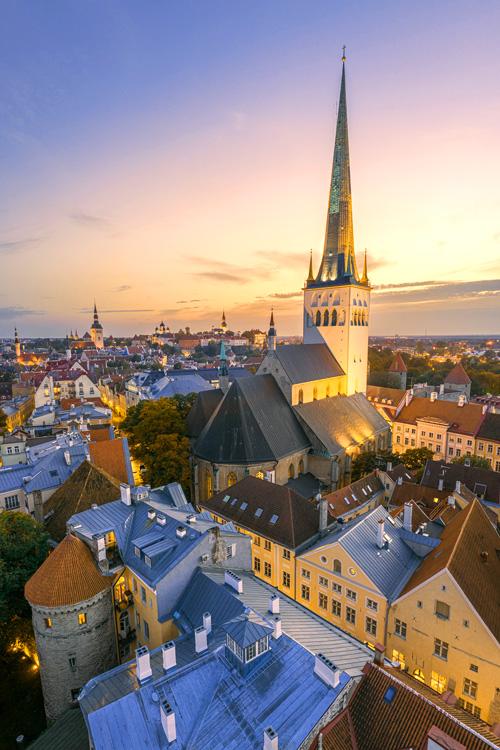
(Old Town, Tallinn, Estonia – Photo by Jaanus Jagomägi)
Tallinn mixes medieval streets with a modern tech spirit. The Old Town feels like a storybook, with stone walls, watchtowers, and narrow lanes curving around the hill.
Fun fact: Tallinn was a key Hanseatic League port, and its guild houses still show how merchants shaped the city.
Another detail: some buildings in town hold traces from Soviet times, including the KGB museum in the Hotel Viru.
Food is simple and hearty: rye bread, fish, and warming soups. A local craft beer or a berry liqueur will match the season.
Places to stay range from cozy inns tucked inside centuries-old houses to sleek hotels near the Old Town gates; Hotel Telegraaf and small boutique spots in Kalamaja are good examples.
Walk up to Toompea for views, browse design shops in Telliskivi Creative City, and end the day with a stroll along the Baltic shore. Tallinn keeps things relaxed, even while it quietly offers a lot of creativity.
Read next: 9 Unique Small Towns in Europe to Visit in Autumn
4. Ghent, Belgium
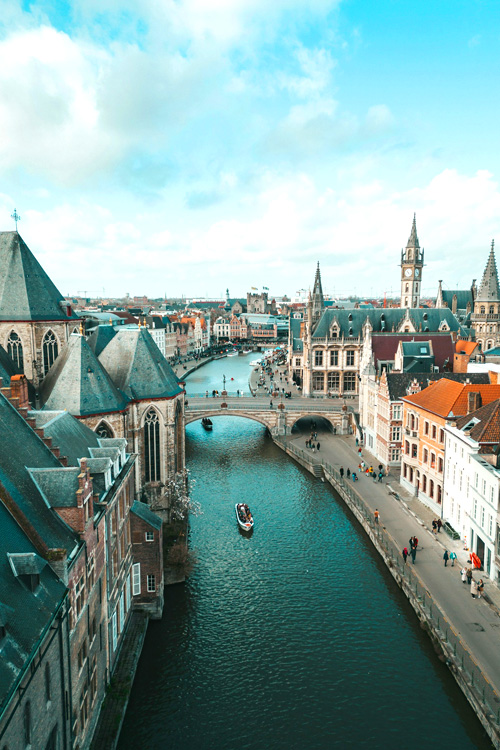
(Ghent, Belgium – Photo by Eduard Delputte)
Ghent is an easy-going canal city with medieval roots and an important arts scene. Waterways go through town, and you’ll see guild houses, bridges, and the castle of Gravensteen near the center.
Interesting fact: the multi-panel “Adoration of the Mystic Lamb” (Ghent Altarpiece) by the Van Eyck brothers, housed in St. Bavo’s Cathedral, has a dramatic history of thefts and restorations.
Another fact: Ghent’s vegetable stew “waterzooi” was once made with fish from local rivers.
A Belgian ale to go with a plate of frites or a simple stew feels just right.
Staying is simple – look for canal-side boutique hotels, classic townhouses, or modern design stays; Pillows Grand Boutique Hotel Reylof and small B&Bs near Patershol offer different moods.
In the evening, buildings glow softly along the water, and the city’s lighting plan makes walks feel calm and inviting. Ghent’s student energy, heritage, and easy food spots give you a good taste of Flanders.
Must read: 10 Best European Cities to Visit in Fall: Must-See Destinations
5. Mostar, Bosnia and Herzegovina
Mostar is in a sunny valley, where stone lanes go past riverside cafés. The famous Stari Most arch bridge, rebuilt after the war, now stands tall as a symbol of connection and resilience.
For decades, local divers have leapt from the bridge during festivals. That wild tradition really shows the city’s brave spirit.
The Old Bazaar Kujundžiluk brims with Ottoman-era crafts and copperwork. It’s a place that reflects the town’s long, winding trade history.
Grab a simple ćevapi plate or maybe a dolma, and don’t skip the local coffee served in a džezva. Instead of fussing over pairings, why not just try something cold by the river?
For places to stay, check out family-run guesthouses or comfortable hotels near the Old Town. Hotel Mepas and boutique inns by the Neretva each have their own vibe.
Day trips to Kravice Falls or Blagaj Tekija bring in some nature and history. Mostar’s slower pace, stone architecture, and living traditions make it a thoughtful stop on any Balkan route.
Don’t miss: 15 Best European Cities to Visit in July: Summer Travel Ideas
6. Kraków, Poland
Kraków has layers of history and a pretty easy rhythm for visitors. The Main Market Square stands out as one of the largest in Europe.
Right in the center, you’ll spot the Cloth Hall. St. Mary’s Basilica sounds a trumpet call every hour – if you listen closely, the signal cuts off suddenly, a nod to that medieval guard shot while warning the city.
Kazimierz used to be Kraków’s Jewish heart. Now, it’s packed with cafés, synagogues, and these little museums you could wander for hours.
Try pierogi, zurek soup, or just grab a plate of smoked cheese. If you’re up for it, go for a local kompot or maybe a small glass of vodka with a snack.
Finding a place to stay? That’s easy. Classic hotels and boutique inns cluster near Old Town and Kazimierz; Hotel Stary’s a favorite, and there are some cozy guesthouses by Planty Park.
Walk up to Wawel Castle if you’re feeling ambitious. Browse those bookshops, and don’t miss the street art over in Podgórze.
Kraków’s the kind of place for slow days and unhurried evenings. It’s really hard not to relax here.
Read also: Europe in Your 50s: The 10 Best Cities to Visit in Summer
7. Bergen, Norway
Bergen is a harbor city tucked between mountains and the sea. Bright wooden warehouses line Bryggen, a UNESCO-listed area that reflects its past as a Hanseatic trading post.
A fun fact: Bergen once handled stockfish exports across northern Europe, shaping its food culture and trade routes.
Locals sometimes call it “the city of seven mountains,” and the Fløibanen funicular takes you up for calm views and forest trails.
Try simply prepared seafood at the fish market or a warm cinnamon bun with coffee.
For stays, you’ll find comfortable hotels and historic inns around the harbor. Look into places like Opus XVI or family-run guesthouses with mountain views.
From Bergen, fjord cruises and rainy-day museum visits make a good mix. When the weather changes, the city’s cozy cafés and candlelit corners turn a wet day into a calm one.
Read next: 15 Best European Cities to Visit in May: A Mix of History, Modern Vibes, and Spring Blooms
8. Valencia, Spain
Valencia juggles beaches, modern art, and the charm of its old neighborhoods. The City of Arts and Sciences throws in some futuristic shapes.
This city’s famous for paella and those endless orange groves. Fun fact: paella probably started right here in the Albufera wetlands, with local rice and whatever ingredients were at hand.
After some nasty floods, they redirected the Turia River. Now, the old riverbed stretches through town as a long, green park.
You can grab paella, sip horchata with fartons, or try a classic bocadillo. Don’t stress about perfect pairings. Just pick a local drink and let the sunshine do the rest.
Finding a place to stay isn’t difficult. You’ll see boutique hotels in the Eixample, or beachy spots out in Cabanyal. Hospes Palau de la Mar is a solid bet, and there are some cool little design hotels near the Turia too.
Bike paths crisscross the city. Market halls like Central Market and those shaded plazas invite you to relax. Valencia’s easygoing pace and sea breeze really offer a laid-back city break.
Don’t miss: 30+ Spanish Countryside Aesthetic Landscapes: Inspiration & Travel Ideas
9. Bologna, Italy
Bologna is all about porticoes, markets, and simple, satisfying food. Miles of covered arcades protect walkers from rain and summer sun, and in 2021, those porticoes were added to UNESCO’s list.
Bologna’s university dates back to 1088, often noted as Europe’s oldest, and the city still feels very student-friendly.
Climb a medieval tower for views, then walk to a trattoria for tagliatelle al ragù or tortellini in brodo. Ask for a small glass of local wine to match the mood.
Places to stay include elegant town hotels and cozy inns near Piazza Maggiore; I Portici and family-run guesthouses in quiet streets give different vibes.
Food markets like Mercato di Mezzo and Quadrilatero offer cured meats, cheeses, and fresh pasta. In the evening, the porticoes glow and the city slows to a comfortable rhythm.
Bologna’s mix of study, craft, and daily food culture makes it easy to enjoy and relax.
Read also: Exploring the Charming Bologna in Italy: 10 Best Things to Do
10. Athens, Greece (in Winter)
Athens mixes ancient landmarks with the rhythm of daily city life. The Acropolis towers above neighborhoods like Plaka and Monastiraki.
Walk the Agora, where philosophers and traders once sparked ideas that still echo in classrooms. The Parthenon’s had a few lives: it’s been a church, a mosque, and now, the symbol everyone recognizes.
Did you know Athens hosted the first modern Olympic Games in 1896? They held it at the Panathenaic Stadium, which is built entirely of marble.
You can get some souvlaki, a simple salad, or maybe a plate of grilled fish at a taverna that doesn’t fuss over details. Next, order a small glass of retsina or maybe a lemonade.
When it comes to where you’ll stay, check out hotels and boutique inns near Syntagma or Plaka. Electra Metropolis and some family-run guesthouses put you close to the action and make getting around easy.
If you visit in the cooler months, you’ll notice shorter lines and quieter museums. Locals seem to reclaim the city, and there’s a different kind of energy in the air.
Athens really encourages slow walks, thoughtful visits, and lazy meals under leafy balconies. Sometimes, that’s the best way to see a place, isn’t it?
Read next: 7 Little-Known European Easter Destinations with Unique Traditions