
Italy has many famous places, but some of the best cities barely get a mention.
Step away from the crowds and you’ll stumble onto towns and cities with golden stone streets and quiet piazzas. Locals here have kept their food traditions alive for centuries, and it shows.
These places mix history, culture, and daily life in a way that feels genuinely welcoming.
Take Matera’s cave dwellings, or Urbino’s Renaissance courtyards: each place has its own kind of magic, minus the tourist crowds.
In this travel guide, we’ll explore 12 underrated Italian cities where you can slow down, taste real regional dishes, and catch views that stay in your mind for ages.
They’re the kind of places you want to walk, get lost in, and maybe even stay a little longer than planned…
You’ll also love: 10 Underrated Cities in Europe that You Should Visit at Least Once
Keep in mind: Our articles may contain errors, despite our best efforts. So, do thorough research before deciding on a travel destination.
1. Lecce (Puglia)

This video will be loaded from YouTube.com, a third party. If you click "Play", you accept their terms of service, and their use of cookies.
Lecce gets called the “Florence of the South” pretty often, but it has its own relaxed pace. The city’s best known for Baroque architecture, especially the Basilica di Santa Croce.
That church took over a century to finish and was completed in 1695. Its facade bursts with carved animals, fruits, and odd little symbols, all shaped from Lecce stone.
That stone actually hardens in the sun. If you walk through Piazza del Duomo or Piazza Sant’Oronzo, those golden limestone buildings practically glow at sunset.
Roman ruins show up too, like the old amphitheater near the main square. They’re a reminder that Lecce’s history goes way, way back.
The food’s another highlight. Pasticciotto, a pastry stuffed with custard, and rustico leccese, a flaky, savory snack, are both local hits.
If you’re into coffee, try “caffè in ghiaccio” with almond milk. It’s cold, sweet, and perfect in summer.
For places to stay, Patria Palace and Risorgimento Resort are both comfortable picks close to the historic center. There are also plenty of boutique inns with a cozier vibe.
Lecce is a solid base for checking out Salento’s beaches and the endless olive groves. The city’s artisan workshops add a creative buzz you can actually feel.
Here, history, food, and daily life sort of blur together. There’s just something rewarding about spending time in this corner of southern Italy.
Don’t miss: 18 Best Beach Towns in Puglia, Italy (+ Map): Travel Ideas, Inspiration, Tips
2. Matera (Basilicata)

This video will be loaded from YouTube.com, a third party. If you click "Play", you accept their terms of service, and their use of cookies.
Matera stands out as one of Italy’s most unusual cities, mostly because of its cave districts called the Sassi. These neighborhoods, carved right into limestone cliffs, hold UNESCO World Heritage status.
Inside the Sassi, you’ll find rock-hewn churches with medieval frescoes. The districts are split into Sasso Caveoso and Sasso Barisano, each tangled with alleys, stairways, and terraces that overlook a dramatic ravine.
People once saw these caves as poor and abandoned, but now they’ve been transformed. You’ll stumble upon restaurants, galleries, and quirky boutique hotels inside the old stone walls.
Spending a night in a cave hotel, like Sextantio Le Grotte della Civita or Locanda di San Martino, feels pretty surreal.
Matera’s food is rustic and hearty, with wood-fired bread, orecchiette pasta topped with turnip greens, and plenty of lamb dishes that represent Basilicata’s roots.
The city’s dramatic look has caught Hollywood’s eye, too. “The Passion of the Christ” and “No Time to Die” both used Matera as a backdrop.
Walking here kind of feels like time travel, with all the stone staircases and tucked-away courtyards. When sunset hits, the canyon viewpoints really steal the show.
Matera draws travelers who crave history, quiet streets, and places to sleep that are anything but ordinary. It’s one of Italy’s most inspiring hidden gems.
Read also: 10 Best Places to Visit in Italy for Food Lovers
3. Trieste (Friuli Venezia Giulia)
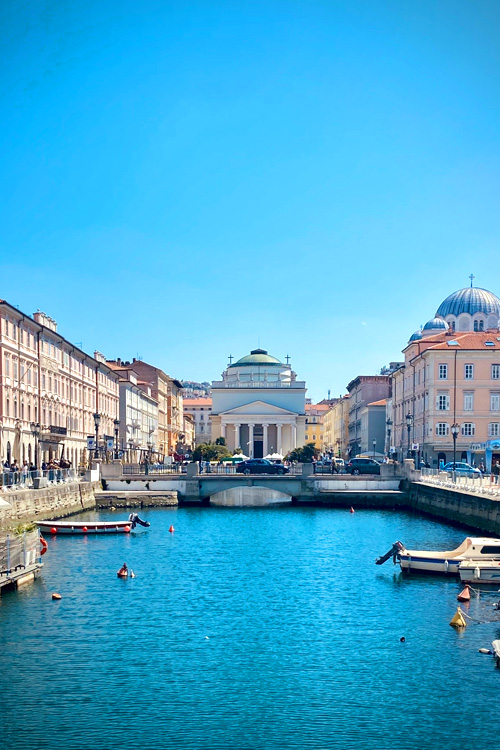
(Trieste, Italy – Photo by Arno Senoner)
Trieste sits on the Adriatic Sea near Slovenia and has Italian, Austrian, and Slavic influences. Once part of the Austro-Hungarian Empire, the city still shows Central European flair in its grand cafés and neoclassical squares.
Piazza Unità d’Italia, one of Europe’s largest sea-facing squares, is perfect for evening strolls. Coffee culture thrives here – Illy was founded in Trieste – and locals enjoy espresso in historic cafés like Caffè San Marco.
Seafood is common, but traditional dishes like jota, a bean and sauerkraut soup, reflect the city’s multicultural roots.
Miramare Castle, built in the 19th century for Archduke Ferdinand Maximilian, sits just outside town in a park overlooking the sea.
For stays, Savoia Excelsior Palace offers elegance by the waterfront, while smaller guesthouses provide cozy options in the center.
Writers such as James Joyce and Italo Svevo lived here, adding a literary vibe to the city’s character. Trieste’s port history and border location give it a cosmopolitan feel, yet it remains calm and welcoming.
It’s a city for travelers who enjoy culture, gentle views, and a mix of traditions without heavy tourist crowds.
Read next: 10 Charming Small Towns in Italy to Visit for Cottagecore Lovers
4. Parma (Emilia-Romagna)
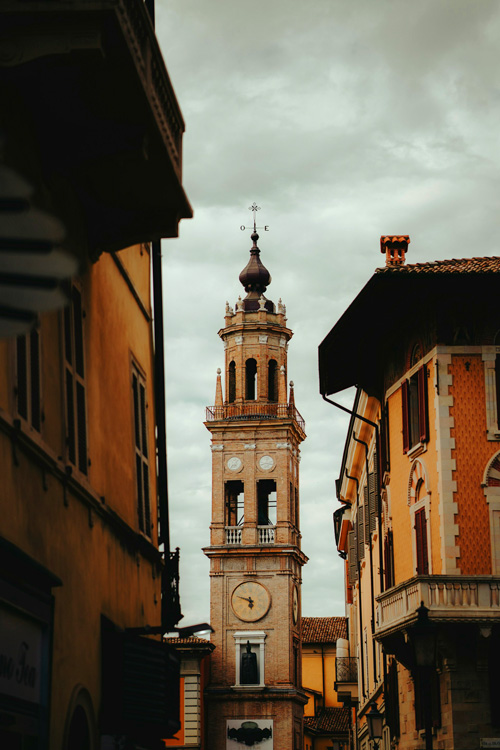
(Parma, Italy – Photo by Dima DallAcqua)
Parma is a city of food, music, and art. It is the birthplace of Parmigiano Reggiano cheese and Prosciutto di Parma, both protected by strict rules and aged with care.
Visitors can join tours of dairies and ham cellars to see how these specialties are made.
The Romanesque cathedral and pink Baptistery add charm to the historic center, while the Pilotta complex houses the wooden Teatro Farnese, built in 1618.
Parma is also known for opera, with Teatro Regio hosting performances year-round.
Food lovers should try tortelli di erbetta, pasta filled with ricotta and greens, paired with local wines.
For stays, Grand Hotel de la Ville offers comfort, and boutique inns near the cathedral provide easy access to sights.
A short trip to Torrechiara Castle adds countryside views and history. Parma balances culture and cuisine, making it a rewarding stop in Emilia-Romagna.
It’s a city where you can taste world-famous food, admire Renaissance art, and enjoy a calm pace all in one visit.
Must read: Italy in Winter: 10 Best Destinations for a Magical Vacation
5. Urbino (Marche)
Urbino is a hilltop city shaped by the Renaissance. Under Duke Federico da Montefeltro in the 15th century, Urbino became a center of art and learning.
The Palazzo Ducale, with its elegant courtyards and wood-inlay studiolo, now houses the Galleria Nazionale delle Marche. Urbino is also the birthplace of Raphael, and his family home is open to visitors.
The historic center is a UNESCO World Heritage Site, with brick lanes, towers, and views across rolling hills. Students from the university keep cafés lively, and local food includes crescia, a flatbread often filled with greens and cheese.
For stays, Hotel Raffaello sits near Raphael’s house, and small guesthouses line the old streets. Urbino’s layout influenced Renaissance ideas of city planning, and walking through its lanes feels like stepping into history.
Quiet courtyards, art collections, and viewpoints make it a rewarding stop. Urbino is a city for travelers who enjoy art, architecture, and a calm pace in a destination full of history.
Don’t miss: 50+ Fun Facts about Italy: Ancient Ruins, Romance & Riviera
6. Ferrara (Emilia-Romagna)
Ferrara is a city of bicycles, wide streets, and Renaissance planning. The Este family ruled here for centuries, and their brick castle with a moat still dominates the center.
In the late 1400s, architect Biagio Rossetti designed the Addizione Erculea, expanding Ferrara with one of Europe’s first modern urban plans.
You can cycle along the old city walls or explore Palazzo dei Diamanti, known for its diamond-shaped stone facade. The cathedral mixes Romanesque and Gothic styles, showing how architecture evolved over time.
Food is hearty, with cappellacci di zucca, pumpkin-filled pasta, and local salumi. For stays, Hotel Annunziata faces the castle, while inns near the cathedral offer cozy options.
Ferrara’s streets are open and calm, with a mix of medieval and Renaissance buildings. It’s a city where history and everyday life mix easily, making it a pleasant stop if you enjoy cycling, art, and quiet corners.
Read also: Christmas in Italy: Here Are the 12 Best Christmas Markets You Should Visit
7. Orvieto (Umbria)
Orvieto rises on volcanic rock, giving it dramatic views and strong walls. The striped Duomo, built in the 13th century, is famous for its Gothic facade and frescoes inside.
Underground tours reveal caves, wells, and tunnels used for storage and defense. The Pozzo di San Patrizio, built in the 16th century, has two spiral staircases so people and animals could move water without crossing paths.
Food is simple and rustic, with local wine called Orvieto Classico. For stays, La Badia di Orvieto offers a historic setting in a former monastery, while small inns near the piazza provide easy access to sights.
Etruscan remains around Orvieto show its long history. The funicular makes it easy to reach the upper town, where you can wander the lanes and enjoy views across the valley.
Read next: Italy or France: Which European Country Should You Visit?
8. Mantua (Lombardy)
Mantua is surrounded by three lakes, giving it calm edges and soft light. The Gonzaga family ruled here for centuries, building palaces and gardens.
Palazzo Ducale spreads across several buildings, while Palazzo Te shows playful frescoes and villa design. Inside the Castle of San Giorgio, Andrea Mantegna painted the Camera degli Sposi between 1465 and 1474, using perspective tricks and a famous ceiling oculus.
The historic center is easy to walk in, with markets, squares, and cafés. Food includes pumpkin tortelli and sbrisolona, a crumbly almond cake.
For stays, Casa Poli offers modern comfort, and inns in old streets provide cozy options. Mantua’s lakes were shaped in the Middle Ages, creating natural defenses and unique views.
The city balances art, water walks, and a calm pace, making it a rewarding stop in Lombardy. It’s a place where Renaissance culture and everyday life meet.
Don’t miss: 15 Best Things To Do in Milan (Italy) in Summer
9. Cagliari (Sardinia)
Cagliari blends medieval streets with seaside air and Sardinian traditions. The Castello district sits high on a hill, with narrow lanes, old walls, and sweeping views across the city.
Down below, Poetto Beach stretches for miles, offering a simple escape to the sea. The Roman amphitheater, dating to the 2nd century AD, is partly carved into rock and shows how long people have lived here.
Just outside town, the Molentargius wetlands are home to pink flamingos, which gather in large numbers during spring and summer.
Food is rustic and flavorful: fregola pasta with clams, bottarga (cured fish roe), and seadas pastries with honey are local favorites.
For stays, T Hotel is a modern choice, while boutique inns in Castello offer charm and easy access to historic sites.
The National Archaeological Museum displays finds from the Nuragic culture, giving insight into Sardinia’s ancient past.
Cagliari is a city where you can walk medieval lanes in the morning, spot flamingos in the afternoon, and enjoy seafood by the harbor in the evening.
Read also: 15 Best Things to See & Do in Sardinia, Italy: Experiences You Can’t Miss
10. Taranto (Puglia)
Taranto stretches across two bays and is known as the “City of Two Seas.” Its old town sits on a small island, with tight lanes, sea views, and a lived-in feel.
The Aragonese Castle, rebuilt between 1487 and 1492, stands by the water and offers guided tours that explain its history. The swing bridge, built in the 19th century, connects the old town to the new and opens to let ships pass between the inner and outer seas.
The Marta museum holds treasures from Taranto’s Greek past, including gold jewelry and pottery. Food leans toward seafood, with mussels, fish stews, and simple pasta dishes common in local restaurants.
For stays, Hotel L’Arcangelo offers charm in the historic center, while Relais Histò provides a resort feel just outside town.
Walking along the promenade, you’ll see fishing boats and everyday life. This is a city shaped by its port, with layers of history and traditions tied to the sea.
Read next: 10 Best Things to See & Do in Puglia (Italy): Bucket List Ideas
11. Trento (Trentino-Alto Adige)
Trento sits in a valley surrounded by mountains, with painted facades and calm squares. The city is tied to the Council of Trent, held between 1545 and 1563, which shaped church history.
Castello del Buonconsiglio, once the residence of prince-bishops, now serves as a museum with fresco cycles showing medieval life through the seasons.
The historic center has piazzas lined with frescoed buildings, and it’s easy to explore on foot. Food blends Alpine and Italian traditions: canederli (bread dumplings), speck, and local cheeses are staples.
For stays, Grand Hotel Trento offers comfort near the station, while small inns close to Piazza Duomo provide other options.
The city’s mix of Italian and Germanic influences shows in its language, architecture, and cuisine. Trento is also a gateway to the Dolomites, making it easy to combine city walks with mountain hikes.
Don’t miss: 10 Best Mountain Towns in the Italian Dolomites for Your Next Adventure
12. Perugia (Umbria)
Perugia spreads across hilltops with stone lanes, arches, and countryside views. The city is famous for chocolate. Baci Perugina was created here in the 1920s by Luisa Spagnoli.
Each fall, the Eurochocolate festival fills the streets with tastings and events. Perugia also hosts Umbria Jazz in the summer, one of Europe’s most important jazz festivals.
Walking through Rocca Paolina, you’ll see underground streets and walls that reveal layers of history. The Etruscan gate and well show how long people have lived here.
The food is rustic, with truffles, cured meats, and handmade pasta common in local trattorias. For stays, Brufani Palace offers classic comfort with views, while guesthouses near Corso Vannucci provide easy access to cafés and shops.
The university keeps the city energetic, with students from around the world adding life to the streets. This is a city where you can enjoy chocolate, music, and history all in one visit, making it a very rewarding stop in Umbria.
Read next: Looking for Authentic Italy? Start with These 25 Enchanting Small Towns & Villages