

Europe is full of famous destinations you can visit, but I think the real magic often hides in places people barely mention.
Beyond Paris, Rome, and London, you’ll stumble on countries with castles, wild coastlines, and mountain paths that just beg you to explore.
Food traditions here feel welcoming and surprisingly new.
In this guide, I’ll explore 10 underrated European countries that you should definitely visit if you’re interested in traveling in Europe.
Here, history weaves into daily life, and natural beauty is never far from a cozy inn or a memorable meal.
From Slovenia’s quiet lakes to Serbia’s lively streets, each place brings a mix of culture, scenery, and flavors you’ll want to remember.
You’ll find seaside resorts, mountain lodges, and boutique hotels in towns that feel like a secret. These destinations invite you to slow down and actually enjoy yourself.
Think of this list as a different kind of European adventure. Less crowded, more personal, and full of those little surprises that stick with you long after you’re home.
Let’s get started!
Read also: 10 Underrated Cities in Europe that You Should Visit at Least Once
Keep in mind: Our articles may contain errors, despite our best efforts. So, do thorough research before deciding on a travel destination.
1. Slovenia

This video will be loaded from YouTube.com, a third party. If you click "Play", you accept their terms of service, and their use of cookies.
Slovenia will welcome you with mountains, lakes, caves, and these friendly little towns. Start at Lake Bled for the island views. There’s a castle perched above the water that you can’t miss.
If you want quieter trails, head over to Bohinj. Swimming there in summer is really a treat. Ljubljana’s old town hugs the river. You’ll find bridges, markets, and a hilltop castle that looks out over the city.
History lingers in Ptuj’s Roman roots. You’ll see it in medieval churches scattered through the countryside too.
Food here stays simple and local. Try štruklji, those rolled dumplings, or jota, which is a hearty bean and sauerkraut soup.
Don’t skip the wines from Vipava and Goriška Brda. They’re worth a taste, even if you’re not a wine person.
Nature’s always close. You can hike Triglav National Park or bike through alpine valleys if you’re feeling energetic.
The Škocjan and Postojna caves have these wild chambers and underground rivers. They’re more dramatic than you’d expect.
In winter, small ski resorts show up with gentle slopes. Cozy mountain huts make for a good break after the cold.
For places to stay, check out the boutique hotels in Ljubljana. Lakeside lodges near Bled are nice, and some farm stays serve homemade breakfasts with local honey.
Take a slow day on the water. Try cheeses in a village market, then walk through a castle as the sun sets.
Slovenia offers outdoor beauty, a bit of adventure, and everyday traditions in a way that just feels calm and genuine.
Don’t miss: Underrated Places in Italy: 12 Cities You Should Visit
2. Slovakia

This video will be loaded from YouTube.com, a third party. If you click "Play", you accept their terms of service, and their use of cookies.
Slovakia brings castles, mountains, and quiet villages into one easy trip. The High Tatras really steal the show, with alpine lakes, wooden huts, and peaks that shine in every season.
Trails go from gentle walks to full-day hikes. When winter hits, there’s skiing and sledding for anyone craving snow.
Bratislava’s old town has pastel facades and lively cafés. There’s also a castle that keeps watch over the Danube.
History shows up at Spiš Castle and in wooden churches tucked away in the northeast. Mining towns like Banská Štiavnica have streets that curve around hills. They’re fun to walk, even if you get a little lost.
The food’s hearty: bryndzové halušky (potato dumplings with sheep cheese), kapustnica (cabbage soup), and those poppy seed pastries nobody can resist.
Wine regions along the Small Carpathians invite you in for tastings and cellar tours. Nature fans can check out caves in Slovak Karst or raft the Dunajec River, where limestone cliffs tower overhead.
For stays, mountain resorts in the Tatras offer comfort with a view. Boutique hotels in Bratislava and guesthouses in countryside towns give you plenty of choices.
You can spend a morning at a hilltop ruin. Maybe grab a midday treat at a village bakery, then end the day by a lake.
Slovakia’s got everyday comfort mixed with scenery and traditions that catch you off guard in the best way.
Read also: 15 Best Christmas Destinations in Europe: Unique Places You’ll Never Forget
3. Romania
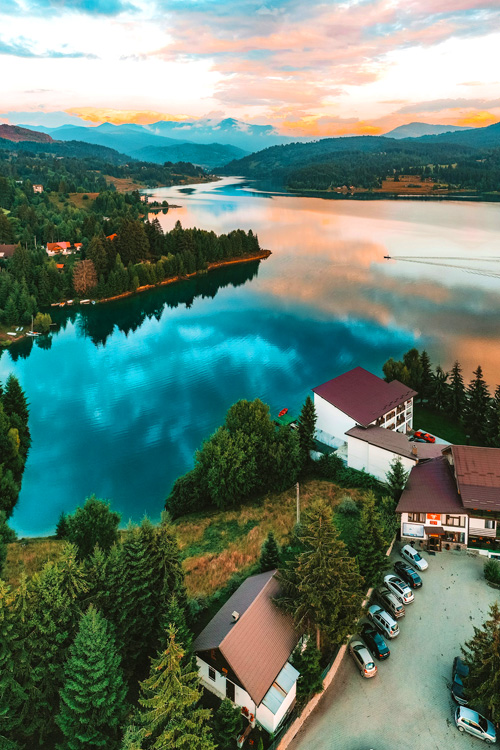
(Lake Colibița, Romania – Photo by Emilia Morariu)
Romania mixes medieval towns, folk traditions, and dramatic landscapes. In Transylvania, castles like Bran and Corvin have stories of nobles, legends, and life on the edge of empires.
Cities such as Sibiu, Brașov, and Sighișoara have towers, cobblestone lanes, and squares lined with pastel houses. The Carpathian Mountains bring hiking, wildlife, and quiet valleys where you can see haystacks in green fields.
In the north, painted monasteries in Bucovina and wooden churches in Maramureș show detailed art and long-held beliefs.
Food is filling and flavorful. Sarmale (stuffed cabbage), mămăligă (cornmeal), smoked meats, and fresh cheeses.
The Danube Delta shows another side. Boat rides through reed channels, birdwatching, and small fishing communities.
For places to stay, there are spa hotels in Sovata, alpine lodges in mountain towns, and guesthouses in historic centers that serve homemade jams and soups.
You can plan a day from fortress walls to forest paths, followed by an evening meal with local wine and a slice of cozonac. Romania offers you history, nature, and daily life.
Read next: 10 American Towns that Feel like Europe, Without the Jet Lag
4. Hungary
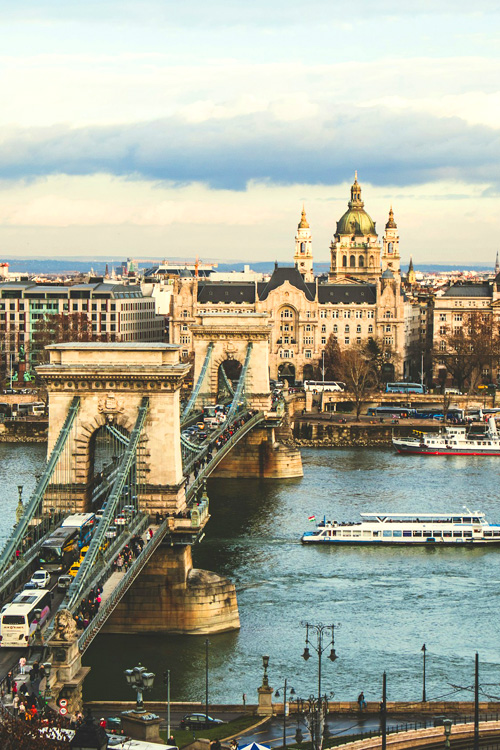
(Budapest, Hungary – Photo by Anna Hunko)
Hungary offers energetic cities, hot springs, and calm countryside. Budapest is the gateway, with thermal baths, river views, and grand buildings that glow after dark.
Beyond the capital, Eger and Pécs bring Roman remains, Ottoman-era sites, and quiet streets with cafés and galleries.
Lake Balaton is a summer favorite for swimming, sailing, and lakeside strolls, while nearby Hévíz has a natural warm lake for relaxing soaks.
Food centers on paprika and comfort: goulash, pörkölt (stew), stuffed peppers, and chimney cake for something sweet.
Tokaj’s wine region is known for golden dessert wines and cellar tours in cool caves. Nature trails go through rolling hills, vineyards, and small villages, easy for day trips.
For stays, you can choose spa resorts near Balaton and Hévíz, boutique hotels in Budapest’s older neighborhoods, or guesthouses in wine towns that offer tastings with dinner.
You can set a rhythm of morning bath, afternoon museum or vineyard, and a simple meal with fresh bread. Hungary offers warm hospitality, deep history, and relaxed landscapes that fit well into a short or longer trip.
Don’t miss: What Makes these 10 Mountain Towns the Best in Europe? History, Great Views, & Adventure
5. Montenegro
Montenegro brings the sea and mountains close together, making travel easy and varied. The Bay of Kotor curves around stone towns, church towers, and steep hills with old fort walls above the water.
You can walk lanes in Kotor, take a ferry across the bay, and climb for views that stretch to the Adriatic. Inland, Durmitor National Park offers hiking, rafting on the Tara River, and deep canyons with alpine meadows nearby.
History appears in Venetian forts, Orthodox monasteries, and lighthouse points along the coast. Food draws on Mediterranean flavors: grilled fish, olive oil, goat cheese, and slow-cooked meats, plus local wines.
Beaches around Budva and Petrovac are relaxed in the shoulder season, good for swimming and sunset walks.
For stays, look to seafront hotels, restored stone inns, and mountain lodges where breakfasts include honey and homemade preserves.
You can make a day with a bay cruise, a village café, and a trail through pine woods.
Read also: 9 Unique Small Towns in Europe to Visit in Autumn
6. Bosnia & Herzegovina
Bosnia & Herzegovina has a mix of cultures, rivers, and old stone towns. Sarajevo’s hillside neighborhoods show Ottoman lanes, Austro-Hungarian facades, and modern life sharing the same streets.
Markets sell copperware and spices, and cafés serve strong coffee slowly. Mostar’s Stari Most bridge arches over the Neretva River, with narrow lanes leading to courtyards and craft shops.
Outside the cities, Kravica Waterfall is a green oasis, and the Una River offers rapids and blue pools. Food includes ćevapi with flatbread and onions, burek filled with meat or cheese, and soups simmered with vegetables and herbs.
Small towns like Travnik and Jajce add castles, mills, and quiet viewpoints. For stays, you can choose boutique hotels in Sarajevo’s old quarters, guesthouses in Mostar with river views, or countryside inns near waterfalls.
Plan some time for museums that tell recent history, followed by walks along rivers and evenings in local bakeries.
Read next: 10 Best European Cities to Visit in Fall: Must-See Destinations
7. Bulgaria
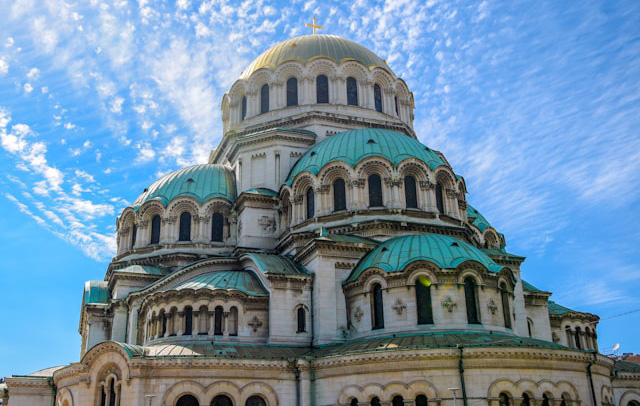
(Alexander Nevsky Cathedral, Sofia, Bulgaria – Photo by Ivan Nedelchev on Unsplash)
Bulgaria has beaches, mountain trails, and historic landmarks. On the Black Sea, Varna and Burgas have sandy shores, seaside parks, and markets with fresh fruit and seafood.
Inland, Sofia mixes Roman ruins, churches, and streets with cafés and bookshops. Rila Monastery, nestled in forested hills, shows colorful frescoes and centuries of tradition.
The Rhodope and Rila Mountains have hiking paths, lakes, and village guesthouses, while Bansko turns into a winter base for skiing and hot meals.
Food features yogurt, banitsa (cheese pastry), shopska salad, and grilled meats, with local wines rounding out the table.
History appears in Thracian tombs, fortress walls, and museum collections that feel personal and accessible. For stays, consider seaside resorts, family-run inns in mountain towns, and boutique hotels in Sofia’s historic center.
A suggested day plan can include a monastery visit, a trail through pines, and an easy dinner of bread, cheese, and roasted peppers.
You’ll also love: 15 Best European Cities to Visit in July: Summer Travel Ideas
8. Serbia
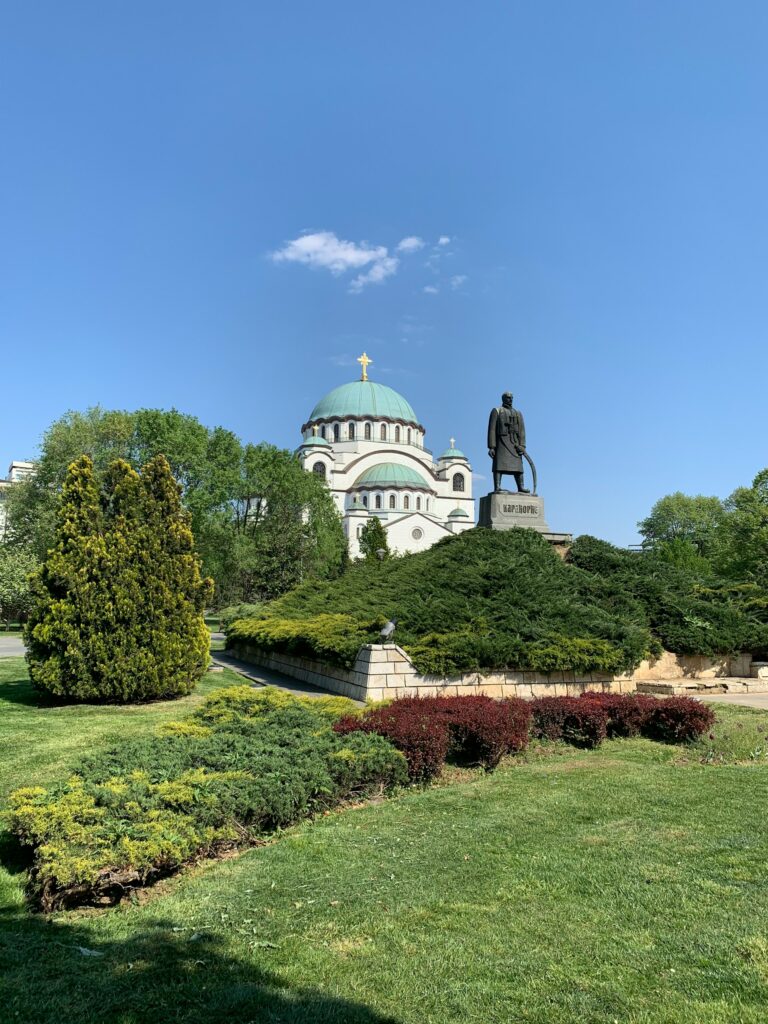
(St. Sava Temple, Karadordev Park, Belgrade, Serbia – Photo by Dušan Pokuševski)
Serbia offers river cities, monasteries, and the countryside. Belgrade is located where the Sava meets the Danube, with Kalemegdan Fortress, museum walks, and long waterfront paths.
Novi Sad adds music festivals, a pastel old town, and Petrovaradin Fortress with tunnels and wide views. History reaches back to Roman frontier sites and medieval monasteries in Fruška Gora, surrounded by vineyards and orchards.
Food offers grilled meats, beans, peppers, kajmak (creamy dairy), and flaky pies. Nature shows up in Tara National Park’s forests and on the Uvac River’s curving canyons, where boat rides feel calm.
For places to stay, you can look for hotels in Belgrade, guesthouses in wine villages, and small inns near national parks.
A fortress walk, a market snack, and a quiet drive through hills with farm stands will make for a great road trip.
Read also: 15 Best European Cities to Visit in May: A Mix of History, Modern Vibes, and Spring Blooms
9. Albania
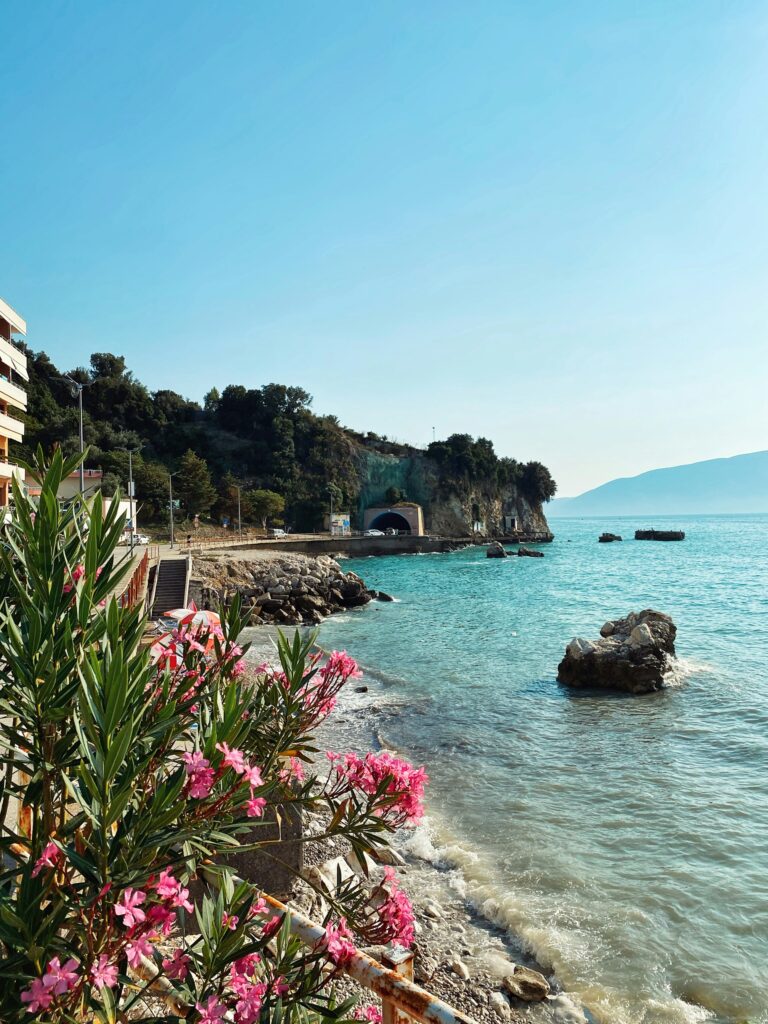
(Vlore, Albania – Photo by Olga Budko on Unsplash)
Albania has clear seas, breathtaking mountain views, and old ruins. The Albanian Riviera has beaches, stone villages, and coastal roads with amazing sunsets.
Butrint, a UNESCO site, shows layers of Greek, Roman, and Byzantine life with boardwalks and shaded paths. Tirana adds color, museums, and parks, plus many, many cafés that fill the sidewalks.
Inland, the Accursed Mountains offer day hikes, small guesthouses, and valley views that feel timeless. Food has Mediterranean and Balkan tastes: fresh fish, grilled lamb, byrek, and salads with tomatoes and feta-like cheeses.
Gjirokastër and Berat have old towns with stone houses and castle walls. For stays, there are seaside resorts, family-run hotels in historic centers, and mountain lodges where breakfasts include local jams and herbal tea.
Your day can include a beach swim, an old fortress, and a simple dinner of olives, bread, and grilled vegetables. Albania’s variety makes travel full of small discoveries…
10. Latvia
Latvia sits by the Baltic Sea with forests, lakes, and quiet towns. Riga’s old town mixes medieval lanes with Art Nouveau facades, and the central market serves smoked fish, rye bread, and seasonal treats.
History appears in castle ruins, manor houses, and museums that explain daily life across centuries. Gauja National Park has sandstone cliffs, river trails, and viewpoints near Sigulda and Cēsis.
Along the coast, Jūrmala has long sandy beaches, pine woods, and spa hotels that focus on rest and wellness. Food offers beet soups, potatoes, mushrooms, and smoked meats, often enjoyed with dill and sour cream.
Villages feel peaceful, with wooden houses and garden plots lining quiet roads. For stays, you can choose beautiful hotels in Riga, inns near national parks, or seaside resorts with saunas and warm pools.
Your day can be: a castle walk, a forest path, and an evening at a cozy café. Latvia’s nature and traditions make it a nice place to slow down and enjoy…
Read next: 7 Little-Known European Easter Destinations with Unique Traditions