
Colorado has many small mountain towns packed with interesting histories and cool attractions.
In this article, we’ll explore 15 small mountain towns in Colorado where you can see old buildings, dig into mining stories, catch local events, or just get outside and play.
Each place started in its own way and keeps growing along a unique path. Some towns were founded around mining, while others started as stops along big travel routes.
Whether you’re chasing travel adventure or curious about the past, there’s a mountain town here waiting to surprise you.
So, let’s get started!
Read also: 15 Best European Cities to Visit in July: Summer Travel Ideas
Keep in mind: Our articles may contain errors, despite our best efforts. So, do a thorough research before deciding on a travel destination.
Here are our top picks: Cute, Small Mountain Towns in Colorado, USA
1. Salida

This video will be loaded from YouTube.com, a third party. If you click "Play", you accept their terms of service, and their use of cookies.
Salida is a small town in Chaffee County, Colorado, that began in 1880 when the railroad arrived.
Workers flocked here to lay down tracks, and the town quickly became a key stop for travelers. The Arkansas River winds nearby, offering up chances for fishing, walking, or just messing around in the water.
These days, Salida’s home to about 5,900 people. If you visit, you’ll find carefully preserved old buildings, a bunch of art studios, and museums that give you a real feel for the town’s history and culture.
2. Telluride
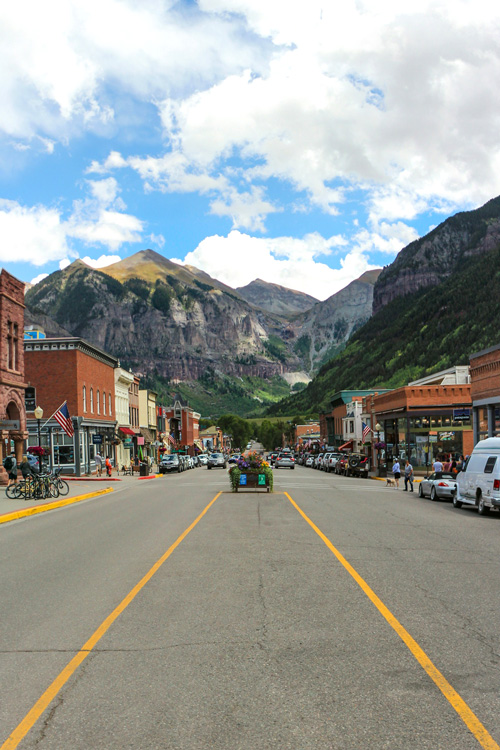
(Photo by Cole Marshall)
Telluride is a town in Colorado that began as a mining camp in the late 1800s. It was first called Columbia and then changed to Telluride as the town grew.
Many old mine buildings still stand, and the town keeps memories of its mining days in its streets and public areas.
Today, visitors can enjoy the ski slopes, ride the free gondola to the nearby Mountain Village, and attend many events, including concerts and festivals. The town has about 2,500 residents and offers both outdoor activities and a connection to its past.
3. Crested Butte

(Photo by Caleb Jack)
Crested Butte sits in Gunnison County, Colorado. It started out as a mining supply center back in the late 1800s.
The town grew fast when miners and workers came to build the local mines. The railroad made it way easier for folks to travel and settle here.
Today, you can visit old mine sites and spot historic buildings. There are museums that really bring the mining era to life.
Crested Butte’s famous for its ski areas. In the summer, mountain biking and hiking steal the show, perfect for anyone who loves nature and a bit of adventure.
About 1,650 people call this place home. The community stays tight-knit, and you can still feel the town’s roots everywhere you go.
4. Redstone
This video will be loaded from YouTube.com, a third party. If you click "Play", you accept their terms of service, and their use of cookies.
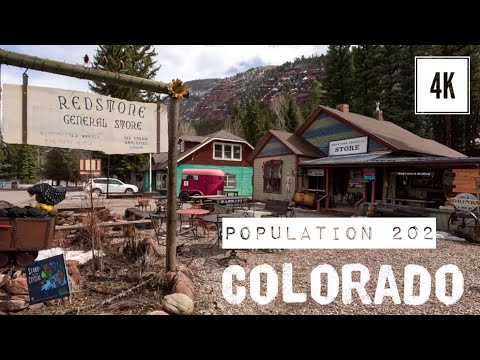
Redstone is a small town in Pitkin County, Colorado. It got its start back in the late 1800s as a planned community for coal miners.
John Osgood dreamed it up. He built houses, a handful of cottages, and, because why not, a massive castle just for himself.
The town had its own school and a clubhouse. There were other public buildings too, all meant to make life a bit better for the folks working in the mines.
These days, only about 157 people live here. Visitors can see the old castle, poke around historic buildings, or soak in the local hot springs.
There’s a lot to learn about Redstone’s mining roots if you take the time to look.
5. Georgetown

(Photo by Joe Dudeck)
Georgetown has a story stretching back nearly 170 years. Miners founded the town chasing gold and silver.
Folks started building homes and opening businesses as more people arrived to work in the mines. You can still spot echoes of that era in the town’s old buildings, the museum, and the historic district.
These days, about 1,250 people live here. If you visit, you’ll get a peek into the mining life that shaped this place. It’s hard not to feel a bit curious about what those early days must’ve been like.
6. Ouray

(Photo by Judy Alloway)
Ouray got its start back in the late 1800s when people came looking for mining work.
The town grew as more miners showed up. You can still see a bunch of old buildings from those days standing tall.
People call it the “Switzerland of America.” That’s probably because it sits surrounded by dramatic cliffs and wide open spaces.
These days, only about 900 people call Ouray home. Visitors can see local trails and the natural hot springs.
There are also museums about the town’s past. You’ll see history everywhere, in the architecture, the streets, and the public spaces.
If you’re into outdoor activities or just have a soft spot for history, Ouray might surprise you!
7. Breckenridge
Breckenridge is a town in Summit County, Colorado, that was built during the mining boom over 150 years ago.
Back then, miners flocked to the area for work. Breckenridge quickly became a hub for mining and trade.
These days, visitors come to see the old stone and wood buildings. Wandering along its historic main street feels like stepping back into those mining years.
The town is probably most famous for its ski resort. Winter brings crowds eager to hit the slopes, while summer opens up trails for hiking and plenty of outdoor fun.
Breckenridge has a population of about 5,000. When tourist season rolls in, that number jumps way up.
8. Manitou Springs
Manitou Springs is located at the base of Pikes Peak in western El Paso County, Colorado. It was founded in 1872 by General William Jackson Palmer and Dr. William Abraham Bell as a health resort built around natural mineral springs.
Over time, the town grew as people visited to take advantage of the water’s natural benefits, and today its downtown area features old buildings, small museums, and unique shops that reflect its past.
Manitou Springs still has several working mineral springs that are open to visitors, and about 4,600 people live in the community.
9. Silverton
Silverton is a small town in the San Juan Mountains of Colorado that began in the 1870s when silver was discovered in the area.
Miners and workers flocked in, eager for a fresh start. They built businesses and homes, all to keep the mining industry running.
These days, one of the main attractions is a ride on the Durango and Silverton Narrow Gauge Railroad. The ride gives you a pretty stunning view of the mountains.
Only about 700 people live here now. The old buildings scattered around town remind you of its long history.
10. Pagosa Springs
Pagosa Springs is located in Archuleta County and became popular because of its natural hot springs. Native Americans used the warm water long before white settlers arrived.
The town started growing after a bathhouse was built in 1881 to let visitors enjoy the deep thermal water, which is known to be among the deepest in the world.
Today, people come here for outdoor activities like fishing and hiking, and to visit the hot springs and local historic sites.
About 1,700 residents live in Pagosa Springs, keeping its history and the importance of its natural water in the community’s focus.
11. Estes Park
Estes Park sits in Larimer County, Colorado. It got its start back in the mid-1800s, when settlers arrived to farm and put up small homes.
People really started noticing the town once visitors came for the nearby Rocky Mountain National Park. The Stanley Hotel stands out: it’s got a long, colorful history and draws curious folks every year.
Local shops line the streets, and there’s a museum where you can see what life used to be like. These days, around 5,800 people live in Estes Park.
12. Buena Vista
Buena Vista is a town in Chaffee County that started growing in the 1860s when settlers came in search of water and natural resources.
The arrival of the railroad helped the town develop, and many old buildings still show its past in mining and trade.
Today, about 3,000 people live there. Visitors can enjoy the Arkansas River, local parks, and a museum that explains the town’s history.
Outdoor activities like hiking and fishing are popular with both residents and visitors.
13. Grand Lake
Grand Lake is located in Grand County, Colorado. People first settled here back in 1881.
It started out as a supply spot for mining camps nearby. Over time, the town found a new identity.
Now, the main draw is Colorado’s largest natural lake. People head out on the water to fish, boat, or just camp along the shore.
Rocky Mountain National Park is right next door. It’s packed with trails, wildlife, and those classic mountain views you’d expect.
Around 400 people call this place home. You can still spot the town’s early days in its old buildings and markers scattered around.
14. Nederland
Nederland is a small town in Boulder County that began in 1874 during a time of mining growth. It started as a place for trading and mining by early settlers.
Over time, it became known for outdoor activities and unusual events like Frozen Dead Guy Days.
Visitors can explore small museums, see old mining buildings, and visit local sites such as Barker Reservoir.
Today, about 1,500 people are residents, and the town preserves its history while offering many opportunities for recreation and local events.
15. Glenwood Springs
Glenwood Springs is located in Garfield County. Its story stretches back to when Native Americans first enjoyed the natural hot springs here.
Later, settlers showed up in the 1800s and started building a community around those same springs. Mining drew in workers, and the town started to grow.
People soon realized they could relax in the healing water or just get outside and enjoy the scenery. These days, visitors flock to the huge hot springs pool.
You’ll find folks walking along the trails by the Colorado River. Some visit old buildings that display the town’s colorful past.
Glenwood Springs has about 10,000 residents. It’s not a big place, but it feels deeply connected to its history and the natural world around it.