


Ready for a tour of the United States through fun, bite-sized facts? If you’re curious to always learn new things about the USA as much as I am, this article is for you!
Here I’ve put together a list that mixes history, places, food, culture, and odd little details you might not expect. Each fact is short and easy to read, so you can skim or save favorites for later.
It’s also a handy spark for travelers. You can use these facts to plan trips, find new places to visit, or add local flavor to your route.
Enjoy the mix of familiar moments and surprising notes about life in the U.S. And let’s begin…
Don’t miss: 50+ Fun Facts about Michigan: Lakes, Motors, & History
Keep in mind: Our articles may contain errors, despite our best efforts. So, do thorough research before deciding on a travel destination or using this information in any way.
History and Government

This video will be loaded from YouTube.com, a third party. If you click "Play", you accept their terms of service, and their use of cookies.
1. The U.S. Constitution begins with “We the People,” and it is a written constitution signed on September 17, 1787, in Philadelphia, about 230 years ago.
2. The White House sits at 1600 Pennsylvania Avenue NW in Washington, D.C., and the main residence measures roughly 150-180 feet long and about 80-90 feet wide.
3. George Washington served two terms from 1789 to 1797, and a 20th-century amendment now limits presidents to two elected terms.
4. “The Star-Spangled Banner” was inspired by a flag flown during the 1814 Battle of Baltimore. That historic flag is roughly 30 by 40 feet in size.
5. The Bill of Rights was ratified in December 1791 and contains the first ten amendments that protect basic freedoms like speech and religion.
6. Washington, D.C. was created from land ceded by nearby states; part of the original district was returned to Virginia in the mid-1800s.
7. The United States purchased Alaska in the late 1800s for a sum of a few million dollars; Alaska covers about half a million to 600,000 square miles.
8. The Supreme Court building opened in the 1930s and has a classical façade rising 80-100 feet with a series of front columns.
9. The Great Seal features an eagle holding 13 arrows and an olive branch; the 13 references the original colonies or states.
10. The State of the Union is delivered annually to Congress; the House has 435 voting members and the Senate has 100 members.
Read also: 12 U.S. Small Towns that Turn into Storybooks Every Fall
Geography and Nature
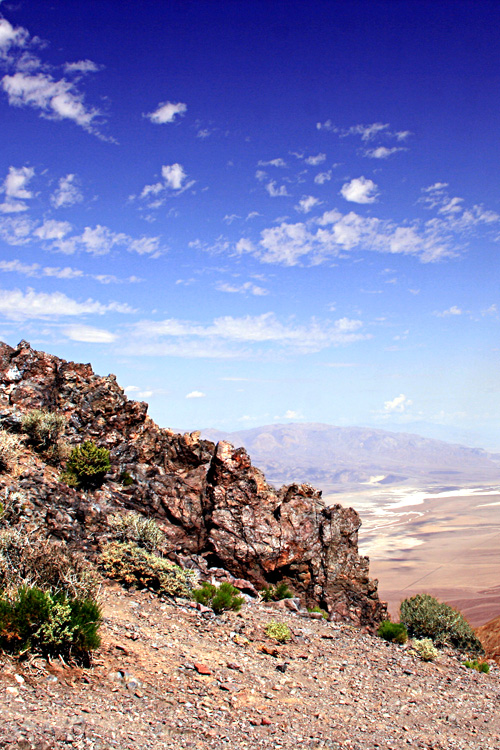
(Death Valley, California, USA by Pom’, CC BY-SA 2.0)
11. The contiguous U.S. is about 2,700-2,900 miles wide from the Atlantic coast to the Pacific coast; driving coast-to-coast typically takes 5-7 days.
12. Death Valley has recorded a famously high surface temperature of about 134°F (about 57°C) on a historic measurement day, and Badwater Basin sits roughly 250-300 feet below sea level.
13. The Mississippi River runs roughly 2,300-2,350 miles from its headwaters toward the Gulf of Mexico, draining about a million square miles of watershed.
14. Lake Superior has a maximum depth of about 1,300 feet and a surface area on the order of 30,000-32,000 square miles.
15. Hawaii’s volcanic islands continue to change slowly; fresh lava flows from active vents can add new land over time and travel across miles in some eruptions.
16. The Continental Divide runs through the Rocky Mountains at many points above 10,000 feet and separates streams that flow to different oceans.
17. The Everglades covers roughly 1-1.5 million acres of slow-moving wetlands and supports large populations of alligators and other wetland species.
18. Old Faithful in Yellowstone erupts on a roughly hourly schedule, often every 60-110 minutes, with typical eruptions that can reach on the order of 100-180 feet high.
19. The Grand Canyon extends about 270 miles in length, and some spots drop on the order of several thousand feet from rim to river.
20. “Tornado Alley” covers parts of the central U.S.; the strongest tornadoes recorded there have estimated wind speeds well over 200 mph.
Read next: 10 American Towns that Feel like Europe, Without the Jet Lag
States and Cities
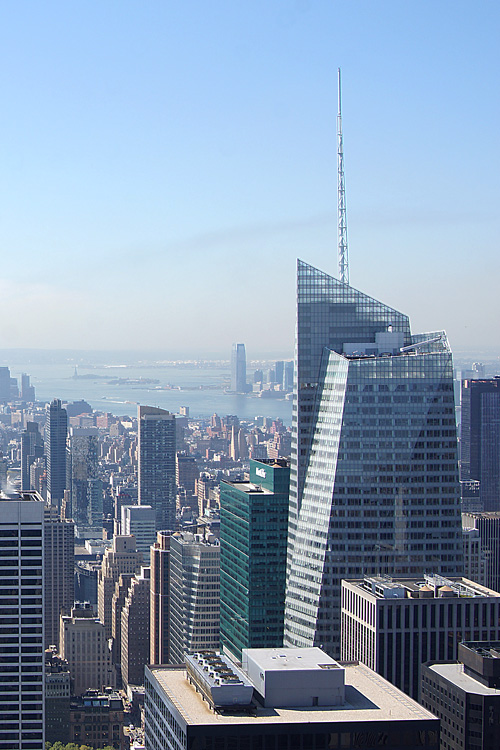
(New York City, USA by Phil King, CC BY 2.0)
21. New York City contains five boroughs and a population of over 8 million people; the Statue of Liberty stands roughly 305 feet tall from base to torch.
22. Los Angeles covers several hundred square miles (about 470-480), and the Hollywood Walk of Fame includes more than 2,000 named stars across many blocks.
23. Chicago reversed part of the Chicago River flow around 1900; the city’s tallest towers reach well over 1,000 feet to their roofs or tips.
24. Boston’s Freedom Trail runs about 2–3 miles and links a number of Revolutionary-era sites marked by red bricks and signs.
25. New Orleans lies near sea level and uses levees and pumps for flood protection; Mardi Gras season runs for weeks and features dozens of parade floats in larger years.
26. Pike Place Market in Seattle opened in the early 1900s, and the nearby Space Needle rises roughly 600 feet with an observation area at about 500-525 feet.
27. Miami Beach’s Art Deco District includes hundreds of historic buildings from the 1930s-1940s with pastel façades and decorative motifs.
28. Denver’s elevation is about one mile above sea level (around 5,000-5,500 feet), and the city marks that height in public spaces.
29. Phoenix averages roughly 250-320 sunny days per year, and summer highs often reach around 100-110°F (about 38-43°C) in many months.
30. San Francisco’s historic cable cars operate on steep grades over 8-9% in places; each car weighs multiple tons and travels at modest cable-driven speeds.
Don’t miss: 15 Best Christmas Destinations in the USA for a Cozy Holiday
Symbols and National Identity
31. The U.S. flag displays 13 stripes for the original colonies and 50 stars for states; common outdoor flag sizes include about 3 by 5 feet.
32. The bald eagle was chosen as a national symbol in the 18th century; adult birds typically have wingspans in the 6-7.5 foot range.
33. The Statue of Liberty arrived in pieces from abroad and was reassembled on Liberty Island; the statue’s copper skin is very thin, only a few millimeters thick.
34. The Liberty Bell weighs on the order of a couple thousand pounds and shows a characteristic crack that is visibly widened in places.
35. The carved faces at Mount Rushmore are on the order of tens of feet tall (roughly 50–70 feet each), and the site rises thousands of feet in elevation.
36. The words “under God” were added to one modern phrasing of the Pledge in the mid-20th century, and a full recitation typically takes under 15-20 seconds.
37. The motto “In God We Trust” became widely used in the mid-1900s and appears on modern U.S. coins and paper currency.
38. The Uncle Sam recruitment image became widely known during the First World War era, showing a pointed figure used in wartime posters.
39. The rose was named the national floral emblem in the 1980s; common hybrid varieties produce blooms a few inches across.
40. The 1814 “Star-Spangled Banner” flag is large, on the order of a few dozen feet across, and is preserved under low light for conservation.
Must read: The 12 Most Charming Mountain Towns in the USA: Must-Visit Destinations
Food and Flavors
41. Apple pie is often baked in a roughly 8-10 inch pan and is commonly served warm with a 3-5 ounce scoop of ice cream.
42. Ballpark hot dogs typically measure around 5-7 inches; regional styles add specific local toppings and spices.
43. Texas-style brisket can be large, often 10–20 pounds per whole cut, while regional barbecue sauces and smoking times vary widely.
44. Thanksgiving turkeys commonly weigh in the low tens of pounds for family meals, with cooking times that can run several hours at moderate oven temperatures.
45. New England clam chowder is usually served creamy in 8-16 ounce bowls, while tomato-based chowders present a red broth in similar portions.
46. Gumbo often simmers for 45-90 minutes or longer to deepen flavor; roux color can range from light brown to dark, approaching chocolate-brown.
47. Buffalo wings are commonly sold by the dozen, and a typical dozen may weigh around 1-2 pounds before saucing.
48. Sizzling fajita platters can arrive at well over 250-300°F; standard tortillas are usually 6-8 inches across.
49. Chicago deep-dish pizzas bake in pans about 1.5-2 inches deep, and typical pies are often 10-14 inches across, serving several people.
50. Corn ears commonly hold several hundred kernels per ear, and soybean plants usually set multiple pods that carry a few beans each.
Read also: 50+ Fun Facts about Italy: Ancient Ruins, Romance & Riviera
Sports and Pastimes
51. Professional baseball uses bases 90 feet apart, and the pitching distance to home plate is 60 feet 6 inches.
52. A regulation football field is 100 yards between goal lines and 120 yards including end zones; big championship halftime shows often last around 10-20 minutes.
53. The NBA three-point line is about 22 feet in the corners and just under 24 feet elsewhere; hoops stand 10 feet above the court.
54. Standard ice hockey rinks are roughly 200 by 85 feet; the puck is about 1 inch thick and 3 inches in diameter.
55. Soccer pitch sizes vary, often near 100-120 yards long; goals are about 8 feet high by 24 feet wide in regulation play.
56. NASCAR track lengths range from short ovals under a mile to super-speedways of over 2 miles, and modern pit crews complete tire and fuel stops in well under a minute at top events.
57. College stadium capacities vary widely from tens of thousands up to over 100,000 seats for the largest programs.
58. U.S. road trips commonly cover hundreds to a few thousand miles depending on route; drivers typically plan fuel and rest stops every few hours.
59. Full-size pickup bed lengths commonly range from about 5.5 to 8 feet, and payload ratings for models vary widely by class.
60. Community ballpark outfield fences and youth field dimensions vary, but typical local fields use ranges suitable for youth and adult play.
Read next: 50+ Fun Facts about Rome, Italy: Marble, Myths & Gladiators
Music, Movies, and Arts
61. Jazz tempos and styles vary from very slow to very fast, and the music historically grew from brass bands and small clubs in southern port cities.
62. Blues often follows 12-bar patterns and migrated from rural areas to urban centers, where electric instruments amplified its sound.
63. Hip-hop grew from block parties where DJs looped short sections of records and MCs spoke rhythmically over the beats.
64. Country music traces its roots to mountain and rural traditions and commonly uses fiddles, acoustic guitars, and steel instruments tuned to standard pitches.
65. The Hollywood sign letters stand roughly multiple tens of feet tall, and the entire sign extends several hundred feet across the hillside.
66. Broadway theaters range from medium to large houses seating several hundred to nearly two thousand people, and major shows typically run a few hours, including intermission.
67. The Smithsonian Institution comprises more than a dozen museums and a national zoo and displays large historic aircraft and artifacts in some galleries.
68. Large murals often cover walls tens to over a hundred feet long, and artists use lifts or scaffolds for tall works.
69. Film festival features typically run 90-120 minutes, and festival programs often add Q&A panels of 10-30 minutes afterward.
70. Marching band formations space ranks by several steps, and large brass instruments like sousaphones weigh a couple dozen pounds and wrap around the player.
Inventions and Technology
71. Silicon Valley spans a region roughly a few dozen miles across and hosts campuses ranging from small offices to multi-acre research centers.
72. Apollo 11 landed on July 20, 1969; the Saturn V launch vehicle stood on the order of a few hundred feet tall and produced millions of pounds of thrust at liftoff.
73. Early internet backbone links moved data at kilobits to early megabit rates; modern home broadband commonly ranges from tens to hundreds of megabits per second or higher.
74. The Wright brothers’ first controlled flights covered on the order of a few dozen to a few hundred feet, and early lab testing by pioneers involved very long filament trials for electric light.
75. Global navigation satellites operate at altitudes measured in the low tens of thousands of kilometers/miles from Earth, and receivers commonly use signals from multiple satellites at once for positioning.
76. Weather satellites observe cloud systems spanning hundreds of miles and use sensors that can detect temperature differences at high altitude.
77. Electric vehicle battery packs used in popular models commonly fall in the range of a few dozen to about 100 kWh; fast charging rates depend on vehicle and charger type and can add many miles in tens of minutes.
78. Modern utility-scale wind turbines stand on towers hundreds of feet tall, and solar farms often cover acres to produce megawatts of electricity.
79. 3D printers build objects layer by layer with layer thicknesses measured in fractions of a millimeter and build volumes that range from a few inches to several feet across.
80. Industrial and medical robots perform repeated motions within millimeter tolerances and can assist with tasks requiring high precision.
Daily Life and Traditions
81. A medium coffee at many chains is about 12-16 ounces, and drive-thru lanes can serve many cars each hour, depending on staffing.
82. Typical yellow school buses measure about 35-40 feet long and use extendable stop-arms and flashing lights when students board and exit.
83. High school homecoming parades often cover short main-street routes of under a few miles and include floats, bands, and student groups.
84. Thanksgiving dinners often serve families of about 6-12 people with turkeys that commonly weigh in the low tens of pounds and cook for several hours.
85. Halloween trick-or-treating usually lasts a few hours after dusk, and seasonal pumpkins used for display commonly weigh from a few to several dozen pounds.
86. Many July 4th fireworks shows last 10-30 minutes, and shell bursts can explode hundreds of feet above the ground.
87. Yard sales typically show items priced from a few dollars to the low tens of dollars, and signs are posted in nearby neighborhoods.
88. Potluck dishes are often set in standard 9-by-13-inch pans.
89. Food drives collect donated cans and dry goods in bins and boxes, often sorted by volunteers in modest-sized community rooms or warehouses.
90. Road trips vary widely in length from a few hundred to a few thousand miles, and drivers normally plan stops for fuel and rest every couple of hours.
Travel and Landmarks
91. The National Mall runs about 1.5-2.5 miles and includes major monuments, museums, and memorials centered on the U.S. capital.
92. The Gateway Arch in St. Louis stands roughly 600-630 feet tall and wide, and small tram cars carry visitors to the top in short guided trips.
93. The Golden Gate Bridge’s main span is about 4,000-4,300 feet; towers rise several hundred feet, and clearance for ship traffic is on the order of a couple hundred feet.
94. Historic Route 66 covered roughly 2,400-2,500 miles between Chicago and the West Coast, and many towns along the route preserve neon signs and vintage roadside architecture.
95. Niagara Falls drops on the order of a few hundred feet at its tallest cascades, and tour boats keep a safe distance from the falling water.
96. The Blue Ridge Parkway runs several hundred miles through the Appalachian highlands with overlooks at elevations from low thousands to several thousand feet.
97. Mount Vernon sits on several hundred acres along the Potomac River, and the preserved mansion covers many thousands of square feet of finished space.
98. The Alamo complex includes structures dating to the colonial era with stone walls that are several feet thick in places.
99. The Space Needle’s observation level sits roughly 500-525 feet above the ground, and the tower once featured a rotating restaurant and quick-moving elevators to the top.
100. New Orleans’ French Quarter covers less than a square mile and features narrow streets, ironwork balconies, and a compact historic layout.
Economy and Work
101. U.S. paper currency is printed in common sizes roughly 6 by 2.5 inches; denominations in circulation commonly include $1, $5, $10, $20, $50, and $100.
102. Midwest farms range from tens to thousands of acres, depending on crop and region; orchard trees are commonly spaced in regular rows a few meters apart.
103. Auto assembly lines and industrial production floors can stretch hundreds to over a thousand feet, while commercial airplanes measure from about 100 to over 200 feet in fuselage length, depending on model.
104. Many small, local diners and shops use compact kitchen equipment, such as grills a few feet wide and counters that seat under two dozen people at a time.
105. Major U.S. container ports accommodate deep-draft ships and cranes that handle standard shipping containers about 8-9.5 feet tall; berths and channel depths vary by port but support large international trade volumes.