
Choosing Lake Como or Cinque Terre really depends on what kind of trip you’re after.
If you love luxury, calm waters, and elegant villas, Lake Como is probably your style. If you’re drawn to colorful cliffside villages, scenic hikes, and a laid-back vibe, Cinque Terre might be the one.
Both places offer great views, rich culture, and experiences you’ll remember, but in their own unique ways.
In Lake Como, you can glide across the water by boat, enjoy refined gardens, and stay in grand hotels.
Cinque Terre is all about rugged coastal trails, fresh seafood, and streets that feel like they belong to another era. The pace and atmosphere are completely different depending on where you go.
Your choice will shape everything from the views you wake up to, to the meals you enjoy. It’s worth thinking about what matters most to you before you book that ticket.
Let’s explore in detail each of these iconic Italian destinations!
Read also: Lake Como or Amalfi Coast: Which Italian Destination Should You Visit?
Keep in mind: Our articles may contain errors, despite our best efforts. So, do thorough research before deciding on a travel destination.
1. Lake Como vs Cinque Terre: The Main Differences

This video will be loaded from YouTube.com, a third party. If you click "Play", you accept their terms of service, and their use of cookies.
Lake Como and Cinque Terre are worlds apart in location, scenery, and the kind of trip they suit. One gives you an alpine lake with historic villas; the other is a rugged coast with cliffside villages and terraced hills.
Lake Como, or Lago di Como, sits in northern Italy near the Alps. The lake has an upside-down “Y” shape, surrounded by steep hills and mountain peaks.
Towns like Bellagio and Varenna are famous, with gardens, villas, and waterfront promenades.
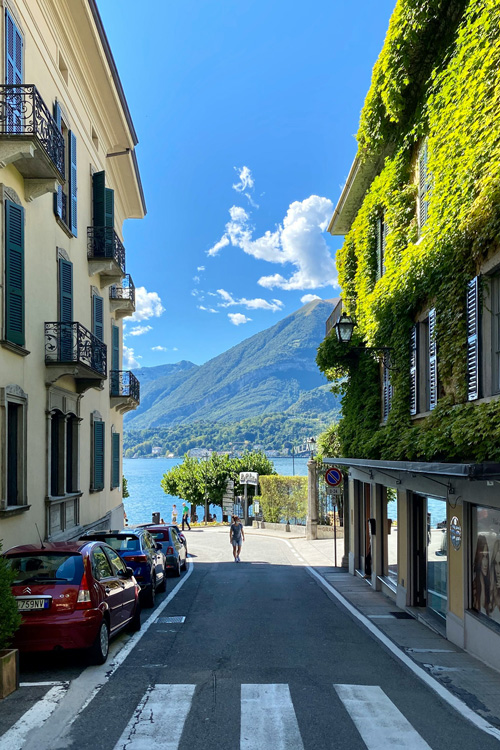
(Bellagio, Lake Como, Italy – Photo by Luca J)
Cinque Terre sits along the Ligurian coast in northwest Italy, made up of five tiny villages: Monterosso, Vernazza, Corniglia, Manarola, and Riomaggiore, built right into the cliffs.
The terrain is steep, with terraced vineyards and narrow paths connecting the villages. Lake Como’s landscapes are all about calm freshwater and alpine views, while Cinque Terre is dramatic sea cliffs and bright buildings.
Both are scenic, but the vibe and the scale are totally different.
Lake Como feels calm and refined. People come for boat rides, lakeside dining, and quiet walks. If you’re after comfort and elegant hotels, this is your place.
Cinque Terre, though, is more energetic and a bit chaotic in summer. The villages are compact and busy, with hiking trails, tiny beaches, and lively harbors. You’ll spend a lot of time on foot, and yes, there’ll be crowds if you visit in peak months.
If you want peaceful settings and room to breathe, Lake Como is the answer. But if you’re after vibrant streets, coastal activity, and the sound of waves, Cinque Terre is hard to beat.
Lake Como suits travelers who want scenic boat trips, villa tours, and short strolls between towns. You can get around by ferry, bus, or car, with barely any effort.
Cinque Terre is for those who don’t mind hiking and exploring on foot. The Sentiero Azzurro trail links all five villages and offers great sea views.
Trains and ferries connect the towns too, but honestly, walking is haslf the fun. Costs can vary: Lake Como is usually pricier thanks to upscale hotels and restaurants.
Cinque Terre can be easier on your wallet, but prices do spike in the busy season.
Read also: Lake Como or Lake Garda: Which Italian Escape Wins Your Heart?
2. Scenic Highlights and Picturesque Towns
There’s no shortage of scenic walks, photo ops, and charming streets to explore. In Lake Como, you’ll see steep green hills rising straight from the water.
The lake’s calm surface reflects the peaks, making everything feel peaceful. In winter, you might catch snow on the mountains; in summer, it’s all lush and green.

This video will be loaded from YouTube.com, a third party. If you click "Play", you accept their terms of service, and their use of cookies.
Cinque Terre’s coastline is wilder. Cliffs drop into the Ligurian Sea, and terraced vineyards cling to the slopes. Coastal trails give you endless sea views.
If you love being on the water, Lake Como’s ferry rides offer great views of towns and villas. In Cinque Terre, hikers get panoramic vistas from high up on the cliffside paths.
Both spots have a mix of natural and man-made beauty that feels real and well cared for.
Picturesque Towns
Lake Como:
Bellagio sits where the lake’s three branches meet. It’s famous for its cobblestone lanes, waterfront promenade, and gardens.
Varenna is quieter: you can walk the lakeside path, visit the Church of San Giorgio, or climb up to Castello di Vezio for sweeping views.
In Tremezzo, you’ll find Villa Carlotta with its gardens and art. Not far away, Villa del Balbianello stands on a wooded peninsula, known for its elegant architecture and lake views.
Towns are linked by ferry, so you can hop between them easily. Each has its own personality, but all share that lakeside charm.
Cinque Terre:
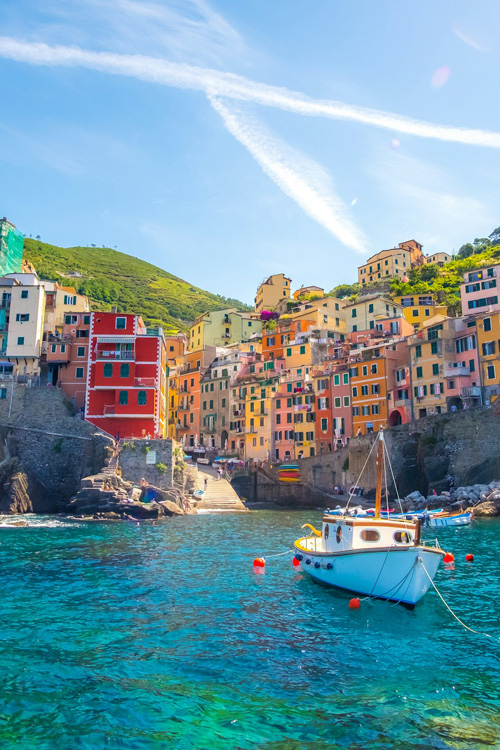
(Riomaggiore, Cinque Terre, Italy – Photo by Mike L)
Monterosso al Mare is the biggest Cinque Terre village, with a sandy beach and more hotels. It’s handy if you want to be close to the sea.
Vernazza has a tiny harbor and colorful houses. Climb to Doria Castle for a view over the village and coastline.
Corniglia is up on a hill, not right on the water. You have to tackle a long staircase or grab a shuttle from the train station.
Manarola and Riomaggiore are known for packed houses and amazing sea views. Walking the cliffside paths between them is classic Cinque Terre.
Don’t miss: 10 Best Towns and Villages in Lake Como that You Should Visit
3. Outdoor Activities and Adventure
Each place offers activities for all energy levels: whether you’re up for a challenge or just want to take it slow. In Cinque Terre, the Sentiero Azzurro (Blue Trail) links all five villages.
It’s famous for sea views and cliffside paths, but some parts are steep: bring good shoes and water. There are also inland trails through vineyards and olive groves, which are quieter and let you see rural life up close.
Around Lake Como, hiking trails head into the mountains. The Greenway del Lago di Como is a gentler lakeside walk, while trails near Varenna or Bellagio climb higher for big views of the lake and Alps.
Read also: Discover Italy’s Hidden Gems – 12 Must-See Hiking Trails
Lake Como is perfect for boat travel between towns. Public ferries hit all the main spots, and you can rent private boats if you want to go at your own pace.
The water’s usually calm, so it’s a smooth ride. In summer, swimming is possible in designated areas, and you’ll find kayaking and paddleboarding in some towns.
Cinque Terre has smaller-scale water fun. Local boats run between villages in summer, giving you a new angle on the cliffs. Swimming is best in Monterosso al Mare, which has the area’s biggest beach.
Snorkeling is an option in some of the clear, sheltered coves. Cinque Terre’s terraced hillsides are actually a UNESCO World Heritage site.
Stone terraces support vineyards that make wines like Sciacchetrà. Walking paths often pass right through these slopes, so you get a firsthand look at how it all works.
You can join tours to learn about the terraces and the hard work it takes to keep them going. Lake Como has terraced landscapes too, though they’re less dramatic.
Olive groves, gardens, and small vineyards fill the stepped hills near the shore. Visiting villa gardens like Villa Carlotta shows how terraces are used for beauty as well as farming.
4. Local Cuisine and Traditions
Food in Lake Como and Cinque Terre is shaped by geography, history, and whatever’s fresh. There’s a real focus on local ingredients, traditional recipes, and dishes that have been around forever.
In Cinque Terre, seafood is everywhere. Anchovies marinated in olive oil and herbs are a staple appetizer.
You’ll see Frittura di Paranza, a mix of fried little fish like sardines and squid. The region’s famous for Pesto alla Genovese, made with basil, garlic, pine nuts, Parmesan, and local olive oil, usually served with trofie pasta.
Bakeries sell focaccia, a flatbread topped with olive oil or veggies. There’s also farinata, a chickpea pancake.
Lake Como’s food is heartier, leaning inland. Freshwater fish like perch and pike are common, especially in risotto al pesce persico (risotto with perch).
You’ll come across polenta, sometimes soft, sometimes grilled, paired with stews, braised meats, or cheese. Local cured meats, like bresaola from Valtellina, are everywhere.
Mountain cheeses such as Bitto or Taleggio add richness to many dishes. While there’s some seafood, it’s really the lake fish and mountain produce that stand out here.
Cinque Terre makes small-batch white wines like Sciacchetrà, a sweet wine often served with dessert. The terraced vineyards by the sea give these wines a unique mineral taste.
Ligurian olive oil is light and aromatic, perfect for drizzling over bread or salad.
Lake Como’s wine scene is smaller, but nearby Valtellina produces reds like Sforzato and Nebbiolo-based wines.
Olive oil is made around the lake too, with a delicate flavor that’s great for salads and fish. Both regions value seasonal produce, cheeses, and cured meats, all found in local markets.
In Cinque Terre, restaurants keep it simple and fresh, often serving the catch of the day. You’ll find casual trattorias and bakeries selling focaccia to go.
Lake Como has everything from rustic mountain taverns to fancy lakeside restaurants. Some offer multi-course menus with wine pairings, especially if you’re up for a splurge.
Eating in both areas is usually a relaxed affair. There’s no rush: just good food, local wine, and a sense of place that’s hard to beat!
5. Culture, Heritage, and Historical Sites
Cultural Heritage and Traditions
In Cinque Terre, the culture leans heavily on its maritime roots and farming traditions. Fishing is still a big deal, and you’ll find local cuisine built around seafood, pesto, and that irresistible focaccia.
Annual events, like Monterosso’s Feast of San Giovanni Battista, bring people together with music, processions, and, of course, plenty of food. The terraced vineyards aren’t just for show but they’re a symbol of grit and adaptation.
These terraces, painstakingly built by hand over centuries, reveal how locals made peace with the steep coastal hills. You’ll also catch echoes of Ligurian dialects and spot crafts like handmade lace and ceramics in the shops.
Lake Como’s heritage feels different, shaped by its old role as a playground for nobility and artists. Grand villas, once owned by aristocrats, now stand as cultural touchstones.
Dishes like polenta uncia and risotto al pesce persico show Alpine and Mediterranean influences colliding in the kitchen. Markets, music festivals, and religious celebrations still keep old customs alive, even as things change.
Historical Landmarks
Cinque Terre has its share of historic churches, medieval forts, and those trails that have linked the villages for ages. The Church of San Giovanni Battista in Monterosso, with its striking Gothic front, stands out.
Vernazza’s Doria Castle is another highlight. If you walk the ancient Sentiero Azzurro, you’re literally following in the footsteps of traders and travelers from centuries past.
Lake Como offers Roman ruins, Renaissance buildings, and those famous villas with beautiful gardens. Villa del Balbianello, perched right by the water, is a favorite for good reason.
Villa Carlotta’s art collections are worth a look too. In Como’s old town, you’ll find medieval walls and the 14th-century Cathedral of Santa Maria Assunta.
6. Tips for Planning Your Visit
Best Time to Visit Each Destination
Cinque Terre is packed in summer, especially July and August. The narrow streets and hiking trails can get pretty crowded, really!
Spring (April-June) and early autumn (September-October) are a sweet spot: mild weather, fewer tourists, and great hiking.
Lake Como stretches out its comfortable season thanks to its gentle climate.
Late spring and early fall are especially nice, with clear mountain views and pleasant temps. July and August draw plenty of visitors, but the lake breeze keeps things from getting unbearable.
Winter at Lake Como is quiet: some hotels and restaurants close, but if you like peace, it’s not a bad time. In Cinque Terre, winter rain can make trails slippery or even shut them down for a bit.
Accessibility and Transportation
From Milan, Lake Como is about an hour away by train, just head to Como or Varenna. Ferries make it easy to move between towns, and the roads are solid if you’d rather drive.
Cinque Terre’s reachable by train from Milan too, but it’ll take you 3-4 hours with a change at La Spezia. Don’t bother with a car: the villages are tricky for driving, and parking is a headache.
Trains and footpaths connect the five towns, so you can get around without wheels.
If you want the freedom for side trips, Lake Como’s road network makes life easier. For a car-free, walkable adventure, Cinque Terre is the way to go.
Nearby Destinations
From Lake Como, it’s a breeze to tack on Milan if you’re into shopping, museums, or just gawking at architecture. The Swiss Alps aren’t far either, maybe a few hours by train or car, if you feel like a change of scenery.
Cinque Terre actually pairs nicely with the Amalfi Coast if you’re mapping out a longer coastal adventure. Sure, it’ll take a train or maybe a flight down to Naples, but it’s doable.
You could also swing by Pisa, Florence, or Genoa: all of them are just a few hours away by train!