
Imagine tall pines stretching up toward the sky. Their needles whisper in the breeze.
Misty mountain mornings drift into quiet forest paths. Pine trees always seem to bring a sense of calm and strength.
In this article, I’ve created a collection of 20+ pine images: wallpapers, design ideas, and inspiration. You’ll find frosty branches, golden morning light, and everything in between.
Maybe you’re drawn to deep green hues. Or maybe you can’t resist the crisp beauty of winter.
Either way, these photos will fill your space with some fresh energy. Want to bring the forest to you? Let’s get started!
Don’t miss: Mountain Cabin Aesthetic: 30+ Amazing Ideas for Travel Inspiration
Dark Pine Tree Aesthetic Pics
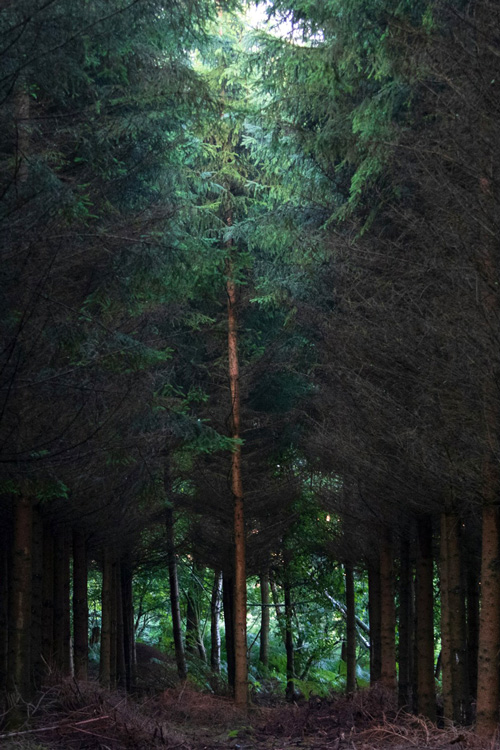
(Photo by Sander Mathlener)

(Photo by Alazne Qaisar)
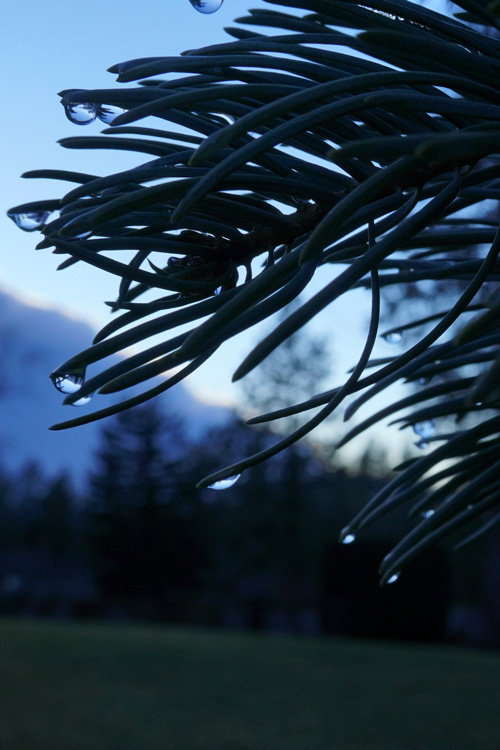
(Photo by Katya Lashkay)

This video will be loaded from YouTube.com, a third party. If you click "Play", you accept their terms of service, and their use of cookies.
Read also: 30+ Mediterranean Aesthetic Landscapes to Inspire Your Next Travel Adventure
Did You Know? Pine Species
There are over 100 different species of pine trees found across the world. They grow in places as cold as mountain peaks and as warm as coastal plains. Pines vary in height, shape, and the type of soil they prefer.
Christmas Pine Tree Aesthetic
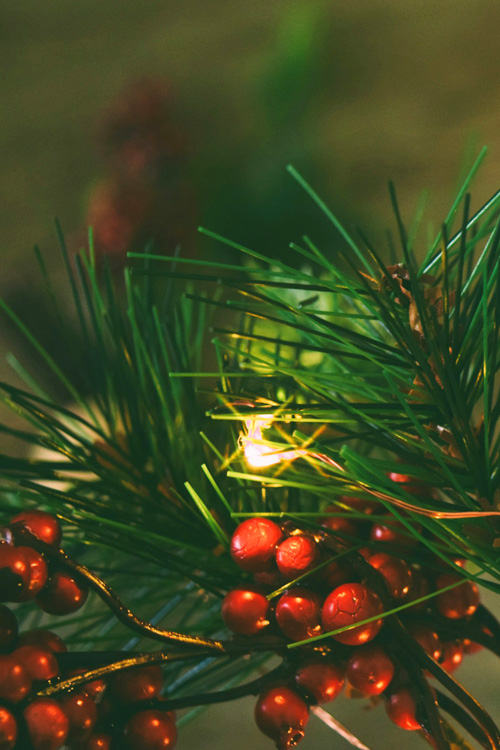
(Photo by Ch Photography)
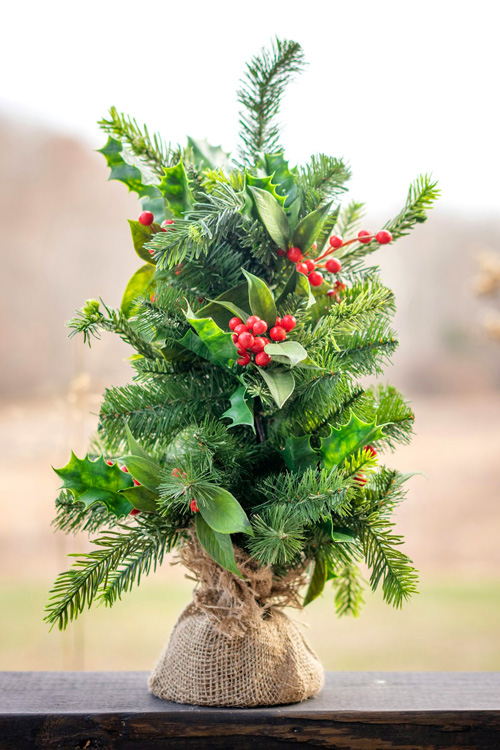
(Photo by carolyn christine)
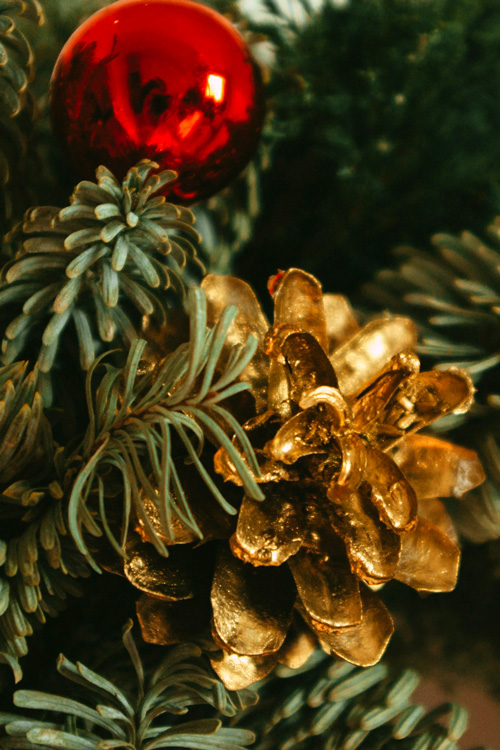
(Photo by Summer Rune)

(Photo by Tim Mossholder)

(Photo by Albert Stoynov)
Did You Know? Needle-Shaped Leaves
Instead of broad, flat leaves, pine trees have long, thin needles. These needles reduce water loss in dry or freezing conditions. Their shape also lets wind and snow slide off more easily.
Winter Snow, Pine Tree
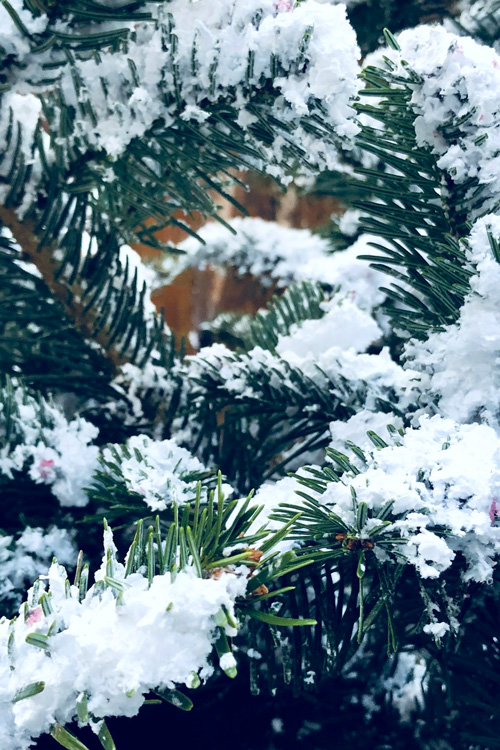
(Photo by Ugur Akdemir)
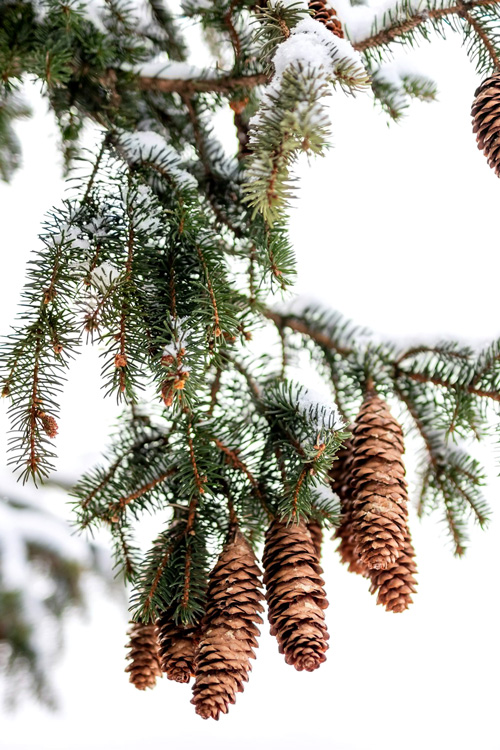
(Photo by laura adai)
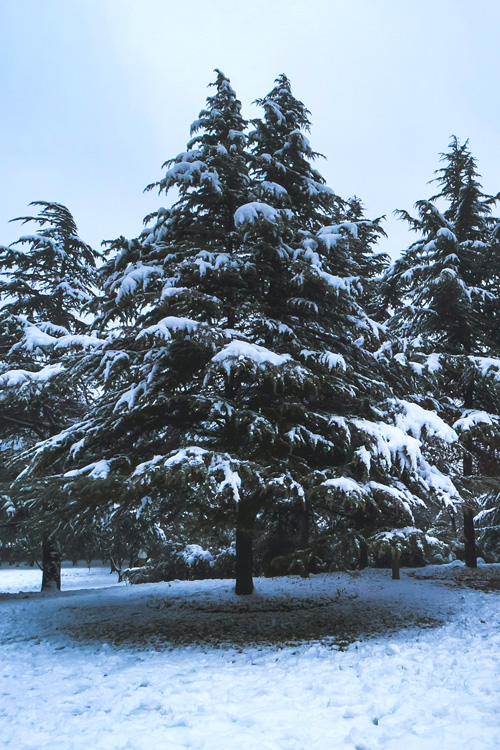
(Photo by J F)
Did You Know? Fire-Activated Cones
Some pine cones stay sealed until they face intense heat. When a forest fire melts the cone’s resin, the scales open and release seeds. This ensures new pines grow in spaces cleared of other plants.
Pine Trees in Summer
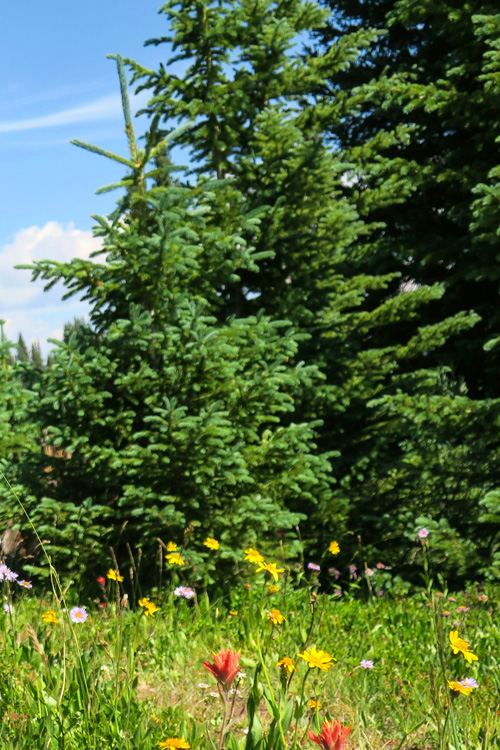
(Photo by Courtney Kenady)
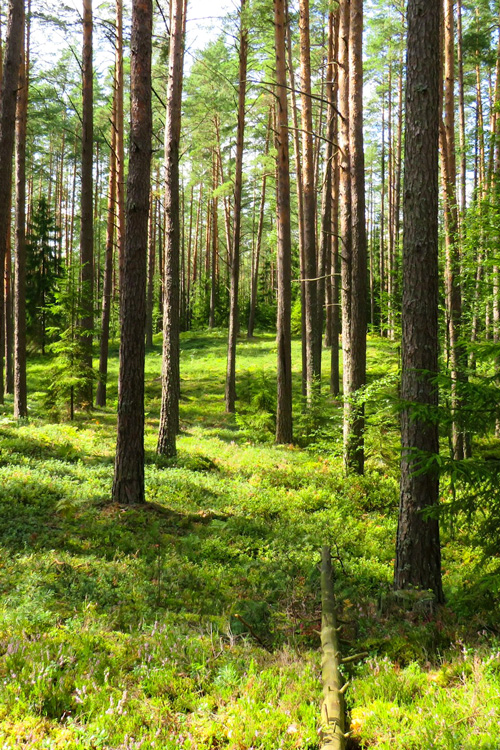
(Photo by Anastasiya Romanova)
Did You Know? Ancient Giants
The Great Basin bristlecone pine can live more than 4,000 years, making it one of Earth’s oldest living trees. Scientists study its growth rings to learn about ancient climates and weather patterns.
Pine Trees, Black and White
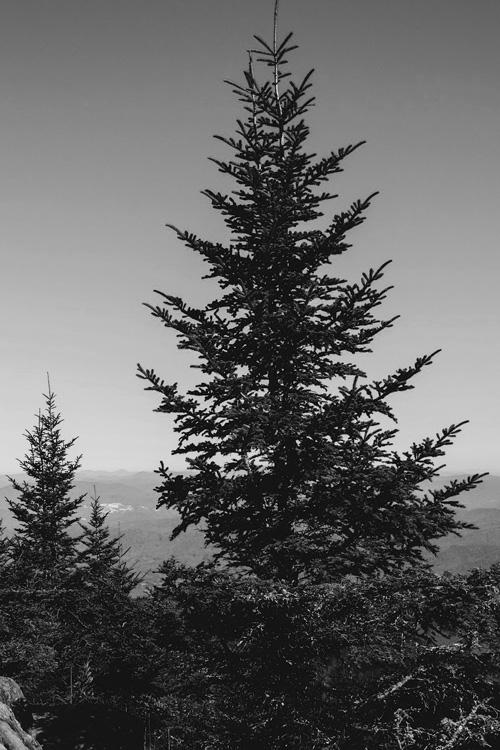
(Photo by Airam Dato-on)
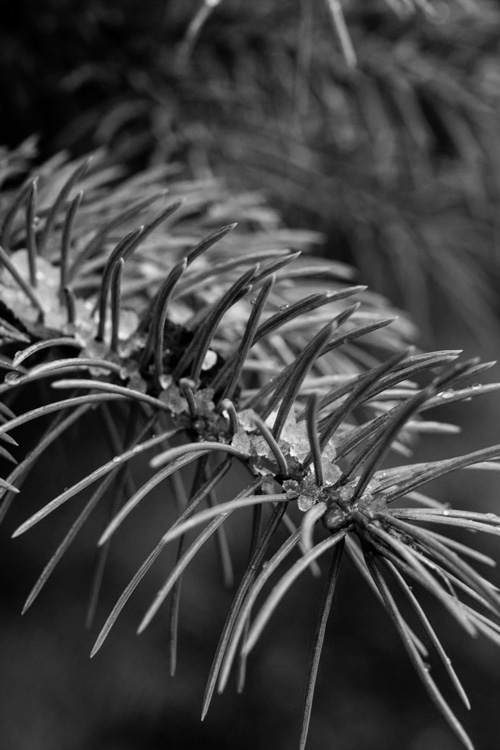
(Photo by Chris Bair)
Did You Know? Sticky Treasure, Resin
Pine trees exude a sticky sap called resin. People have used resin for ship waterproofing, early medicines, and glues since ancient times. Inside the tree, resin also helps block out insects and disease.
Mountain Pine Trees
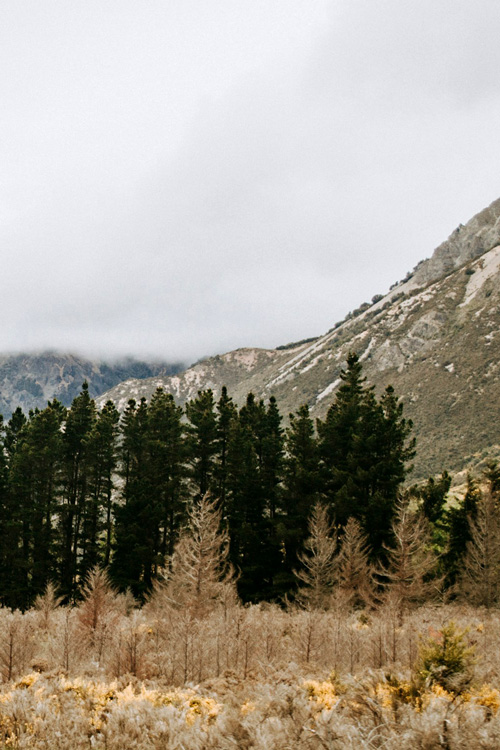
(Photo by Katie McBroom)
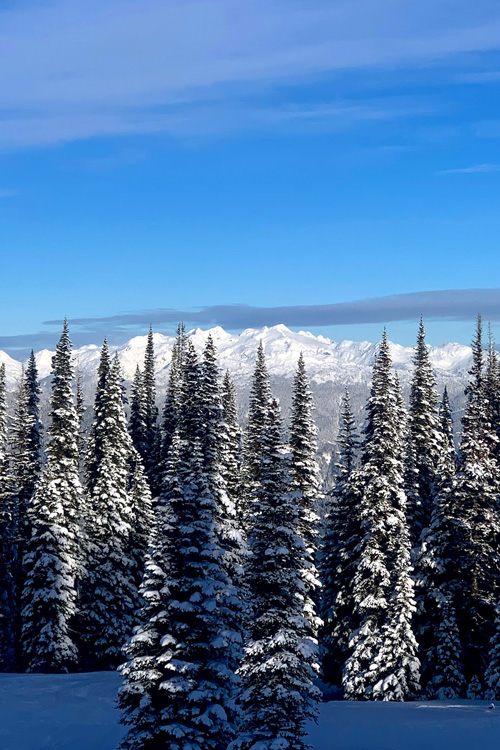
(Photo by Oliver Holden)
Did You Know? Tiny Treasures, Pine Nuts
Certain pine species produce edible seeds known as pine nuts. For centuries, people have harvested these buttery nuts for cooking and oil. They remain a prized ingredient in sauces, salads, and baked goods.
White Pine Trees
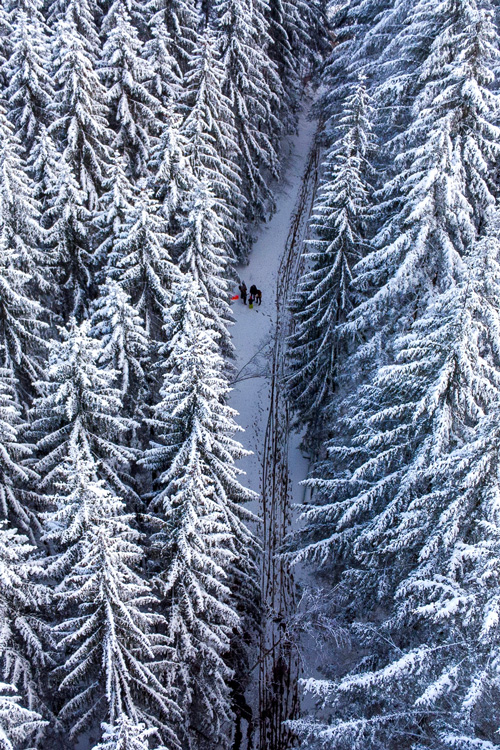
(Photo by Thomas Bormans)
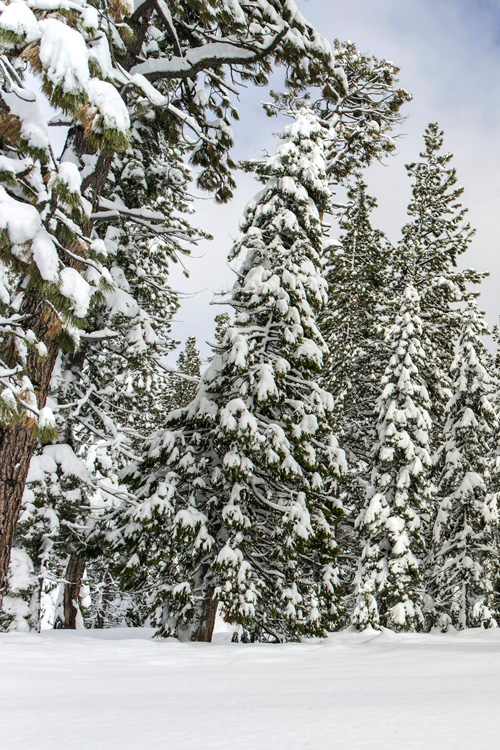
(Photo by Paulius Dragunas)
Did You Know? Pine Tree Rings Tell Time
Each year, a pine tree adds a new ring of wood to its trunk. By counting these rings, researchers can figure out the tree’s age. The width of each ring also reveals years of drought or heavy rain.
Dark Green Pine Trees
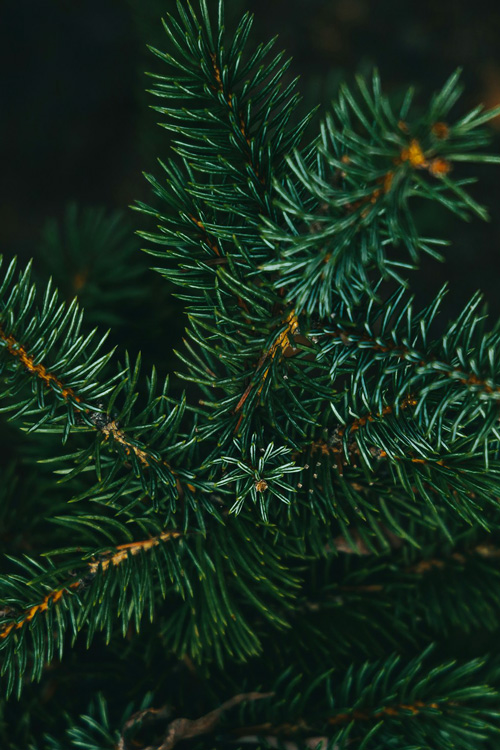
(Photo by Tony Litvyak)
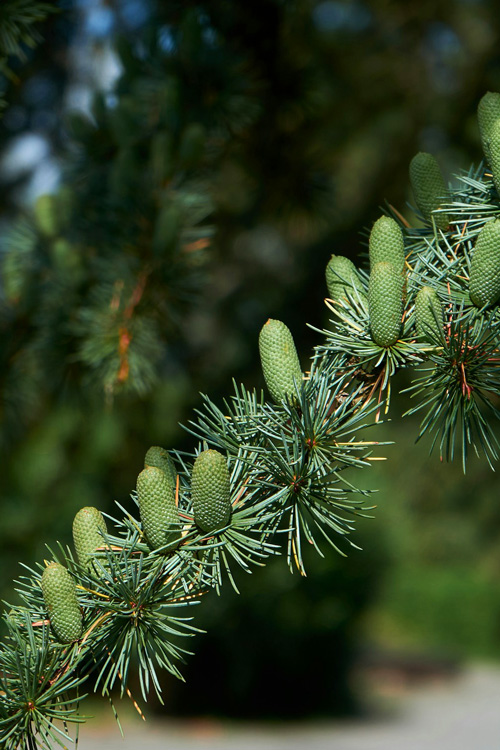
(Photo by Ethan Finley)
Did You Know? Floating Pine Forests on Sand Dunes
In some coastal regions, pines anchor themselves on shifting sand dunes. Their wide-spreading roots hold the sand in place, creating “living walls” that protect villages and farmland from erosion.