
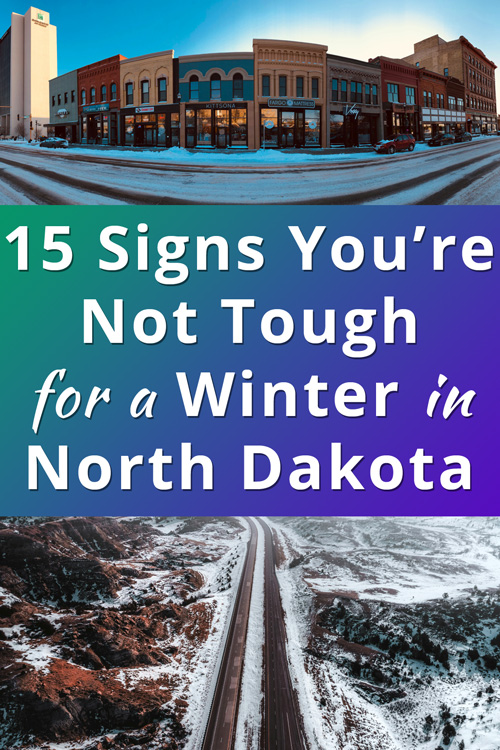
North Dakota winters are infamous for their brutal cold and relentless snow. The state tests even the most prepared residents with heavy snowfall, bitter wind chills, and weather that can turn dangerous fast.
Not everyone is cut out for this kind of challenge. Winter survival here takes specific skills, the right gear, and a certain mental toughness that, honestly, not everyone has.
From picking the right clothes to knowing how to prep for emergencies, there are some clear signs that show if you’re up for the challenge.
Your ability to roll with extreme cold, handle winter driving, and keep your head straight during months of harsh weather will make or break your winter in the Peace Garden State.
Read also: 10 American Towns that Feel like Europe, Without the Jet Lag
15. You Complain Loudly About Wind Chill Below Zero

This video will be loaded from YouTube.com, a third party. If you click "Play", you accept their terms of service, and their use of cookies.
Wind chill is how cold it actually feels when the wind whips through already low temps. In North Dakota, wind chills below zero aren’t a rare event; they’re just winter!
If you’re always griping when the wind chill dips below zero, you’re probably not ready for this place. Folks here expect wind chills of minus 20 or even colder.
The wind just rips heat from your body way faster than still air does. It always feels colder than what the thermometer says.
North Dakotans don’t waste time complaining about the wind. They dress for it, plan for it, and move on with their day.
From December through February, wind chills below zero are just part of life. Accepting that is step one for surviving here.
14. You Refuse to Invest in a High-Quality Parka
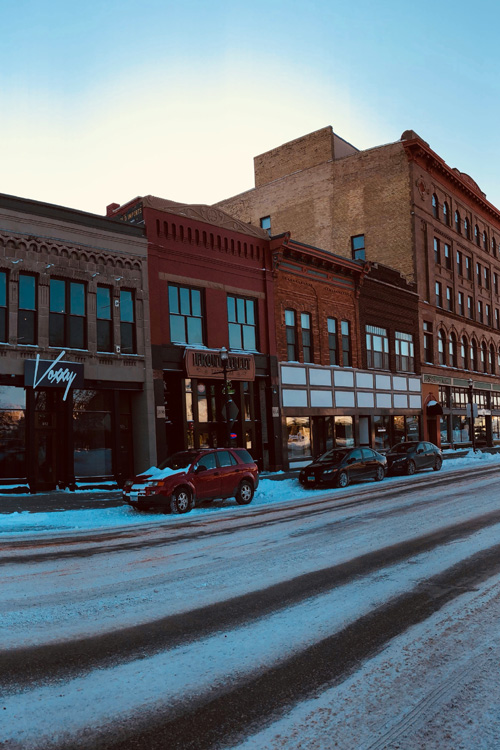
(Main Avenue, Fargo, North Dakota, USA – Photo by Jared Anders)
Think your bargain jacket from the discount rack will get you through a North Dakota winter? It won’t.
A real parka is your main line of defense. Temperatures can drop to minus 30 or even lower.
Cheap jackets just don’t have the insulation or waterproofing you need. They’ll let you down when it matters most.
Quality parkas use down or advanced synthetics, with windproof and waterproof shells. That’s what keeps the cold out.
You want something that covers your thighs and has a real hood. Those thin, short coats? Forget it.
Yeah, a good parka costs more upfront. But it’ll last years, and buying cheap coats over and over ends up costing more anyway.
If you won’t shell out for proper gear, North Dakota’s winter will eat you alive.
13. You Use Regular Gloves Instead of Insulated Mittens
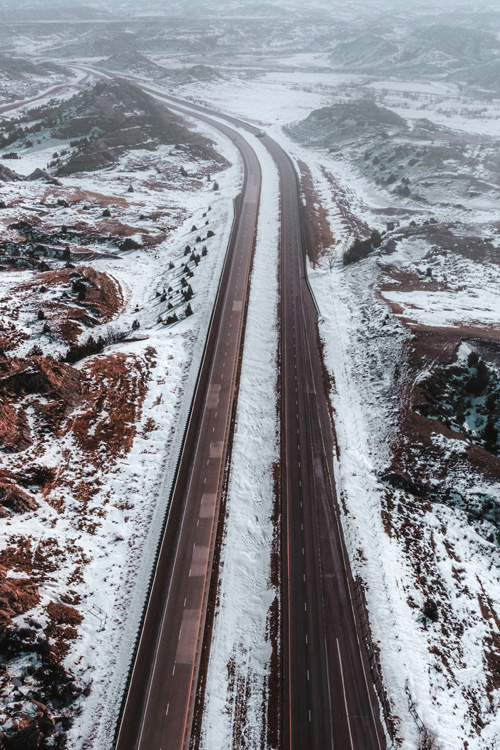
(Snowy Road in North Dakota, USA – Photo by Valeriia Neganova)
Those thin gloves you wear everywhere else? Not gonna cut it here. Gloves keep each finger on its own, which means more cold sneaks in.
Mittens let your fingers share warmth. That little design tweak makes a huge difference when it’s -20°F outside.
At those temps, your fingers need all the help they can get. Mittens just trap heat better, plain and simple.
Insulated mittens are a must. They’re built to block wind and keep warmth in.
If you reach for regular gloves when it’s bitter cold, your hands are going to hate you for it.
12. You Never Carry Chapstick and Constantly Suffer from Chapped Lips
North Dakota winters bring air so dry it’ll destroy your lips in a day. There’s just no moisture left in the air.
Your lips don’t have oil glands, so they crack and peel fast out here.
People who know what they’re doing always have lip balm at the ready. Chapped lips can get painful; sometimes they even bleed.
You’ve got to put it on before you go out, and reapply often. Otherwise, every time you talk or eat, it stings.
If you never remember your Chapstick, you’re in for a rough time in winter here.
11. You Avoid Wearing Thermal Base Layers
Skip thermal base layers and you’ll regret it. These aren’t your regular clothes; they actually do something.
Base layers wick sweat away, keeping you from getting clammy and cold. They help keep your temp steady.
They should fit snug, but not so tight you can’t move. That’s how they do their job.
A t-shirt or regular underwear isn’t enough when it’s below freezing. You need that extra layer.
People who skip base layers end up cold and uncomfortable, sometimes even with a heavy coat on top.
10. You Give Up After the First Few Snowstorms
North Dakota throws storm after storm at you all winter. If you’re ready to give up after the first couple, this state isn’t for you.
Some folks expect things to get easier after each storm. Nope. Winter here is a marathon, not a sprint.
The season brings a dozen or more snow events, sometimes from October to April. Each one teaches you something new.
If you’re frustrated after digging out just to get hit again, you’ll burn out fast. The trick is to settle in for the long haul.
9. You Rely on Casual Shoes Instead of Insulated Winter Boots
Regular sneakers or casual shoes? Not happening. When it’s below zero, your feet need real protection.
Insulated winter boots keep heat in and cold out. They’re made for this kind of weather. Normal shoes let the cold in quick. That’s how you end up with frostbite or worse.
Winter boots also grip ice and snow better. Regular shoes get slippery and dangerous fast.
Without proper boots, your feet get cold first, and that can ruin your whole day.
Waterproof boots are a must too. Wet feet in this weather? That’s just asking for trouble.
8. You Underestimate the Power of Layering Clothing
Think one heavy coat is enough? Think again. You’ll sweat inside and freeze outside.
Start with a thin base layer to wick moisture away. Add a middle layer for warmth.
Your outer layer should block wind and snow. That’s the three-layer trick.
Some people skip the base or use cotton, but cotton holds moisture and makes you colder. Stick to stuff that wicks sweat away.
Proper layering keeps you comfy inside and warm outside. Without it, you’re in for a miserable winter.
7. You Ignore the Dangers of Frostbite and Hypothermia
Think frostbite and hypothermia are just stories? They’re not. These hit faster than you’d expect.
Frostbite can happen when you’re out in temps below 32°F for a while. Fingers, toes, nose, and ears go first.
Hypothermia sneaks up when your body loses heat too fast. You don’t even need extreme cold; just wet clothes or bad gear can do it.
Both are medical emergencies. Frostbite can cause permanent tissue damage. Hypothermia can be deadly.
If you ignore the warning signs, you’re taking a real risk out here.
6. You Throw a Fit Over Snowy, Icy Roads
Snowy, icy roads are just life here, sometimes for five months straight. If you panic every time, you’re not going to last.
Locals know these conditions are normal and prep their cars with good tires and emergency kits.
You can’t survive winter here if you’re always upset about slick roads. It just means driving slower and giving yourself more time.
Throwing a tantrum won’t make the roads safer. North Dakotans just adapt and keep moving.
5. You Refuse to Learn How to Properly Scrape Ice off a Windshield
Scraping ice off your windshield is a daily chore. You can’t just hack away and hope for the best.
Let your defroster run a bit; it really helps. Then use a plastic scraper, not a metal one or your credit card.
Start from the edges and work toward the middle. Short strokes work better than trying to clear it all at once.
Don’t pour hot water on frozen glass unless you want a cracked windshield. And always clear the whole thing: driving with a tiny peephole is just asking for trouble.
4. You Complain Nonstop about Sun Scarcity during Winter Months
Short days and limited sunlight come with the territory. If you’re always complaining about the lack of sun, it’s going to be a long winter.
Winter brings fewer daylight hours, and yeah, your body might feel it. Some people get tired or moody from the lack of light.
But tough North Dakotans find ways to cope. Maybe that’s light therapy or vitamin D, but it’s not endless complaining.
Griping about the sun doesn’t change a thing. The real pros just get on with it.
3. You Panic at the First Sign of a Ground Blizzard
Ground blizzards happen when wind picks up old snow and throws it everywhere. The sky might be clear, but you can’t see a thing around you.
These storms are common on the flat prairie. The wind just sweeps across and creates whiteout conditions fast.
If you panic when a ground blizzard hits, you’re not ready. Locals know these can come out of nowhere.
The smart move is to stay calm and find shelter. Don’t try to keep driving or walking when you can’t see.
Ground blizzards can be just as dangerous as regular ones. The Children’s Blizzard of 1888? That was one of these.
2. You Avoid Using Hand and Foot Warmers
If you won’t use hand and foot warmers, you’re making life harder than it has to be. These little things can make a big difference.
Hand and foot warmers keep your extremities working when it’s really cold. They help prevent frostbite and keep you comfortable.
There are different types; some heat up when you open them, others work when you bend a metal disk inside. Either way, they’re a good backup.
They work best inside mittens and real winter boots. If you’re outside for long stretches, they’re practically a necessity.
Skip them, and you risk numb, useless hands and feet. Who wants that?
1. You Never Prepare an Emergency Winter Car Kit
North Dakota winters can strand you on the road without warning. If you don’t keep an emergency kit in your car, you’re just not ready for this state’s harsh conditions.
Your car needs jumper cables. Cold weather discharges batteries fast, sometimes out of nowhere.
Pack warm blankets. Extra clothes are a lifesaver if your heater calls it quits.
Keep a flashlight with fresh batteries handy. Toss in a small shovel for digging out of snow drifts, too.
Store some food and water that won’t freeze. Granola bars or nuts are solid choices.
Don’t forget basic tools like screwdrivers or wrenches. Road flares or reflectors help other drivers spot you if things go sideways.
A first aid kit should always be in your winter car kit. Toss in any meds you use regularly, just in case.