


Utah is a place where wide deserts meet tall cliffs and rivers carve paths through stone.
The land feels open and full of shapes that catch the eye: arches, hoodoos, canyons, and salt flats that stretch to the horizon. Towns and cities sit close to mountains.
You’ll find culture and history alongside those outdoor views. Each stop has its own rhythm.
Some places offer quiet trails, while others have busy streets. Exploring Utah isn’t about rushing. It’s more about noticing how light, color, and space shift as you move.
In this article, we’ll explore 10 of the best things you can do and places you can see in Utah that show different sides of the state.
You’ll see red rock parks, calm lakes, and busy festival towns. Imagine yourself walking, watching, and pausing in these places that invite you to slow down and just enjoy it all…
You’ll also love: Utah Travel Ideas: 10 Beautiful Small Towns You Should Visit
Keep in mind: Our articles may contain errors, despite our best efforts. So, do thorough research before deciding on a travel destination.
1. Zion National Park

This video will be loaded from YouTube.com, a third party. If you click "Play", you accept their terms of service, and their use of cookies.
Zion National Park feels like a giant outdoor playground. Tall cliffs, narrow canyons, and peaceful trails are everywhere you look.
Many visitors love hiking Angels Landing (you’ll need a permit) for those wide and amazing views. The Narrows is another favorite, where you actually walk in the river through a slot canyon.
If you want something easier, Riverside Walk or Lower Emerald Pool are good picks. Spring and fall bring mild temperatures.
Summers get pretty hot, and winter can be surprisingly chilly. The park shuttle helps you reach trailheads in Zion Canyon during the busy months.
Bring sturdy shoes, plenty of water, and sun protection. If you’re doing The Narrows, quick-drying clothes and a walking stick really help with those slippery rocks.
Start early to avoid crowds and the midday heat. Sometimes you’ll see wildlife near the Virgin River.
Pause and look up at the layered sandstone now and then. Outside the main canyon, Kolob Canyons and Kolob Terrace have quieter trails and scenic drives.
You can stay in Springdale for restaurants and gear shops right by the entrance. Whether you hike a lot or just take short walks, Zion has something for most comfort levels.
Plan a simple route, check the weather, and let yourself enjoy those calm moments between the towering walls.
Don’t miss: 10 Best Things to See & Do in Colorado: My Favorites
2. Bryce Canyon National Park

This video will be loaded from YouTube.com, a third party. If you click "Play", you accept their terms of service, and their use of cookies.
Bryce Canyon National Park is famous for its hoodoos, those tall, skinny rock spires that twist the landscape into a wild maze. The main amphitheater has several viewpoints: Sunrise Point, Sunset Point, Inspiration Point, and Bryce Point. They’re all pretty easy to reach.
If you want to get closer, try hiking the Navajo Loop or Queen’s Garden Trail. These paths go through the hoodoos and give you some gentle ups and downs.
The Rim Trail links up the main viewpoints. It’s a good choice if you’d rather not hike down into the canyon but still want a longer walk.
Weather can turn fast up here, so definitely bring some layers. The air stays dry, and the altitude is no joke. Make sure you drink water and pause when you need to.
Winter visits? The snow on orange rocks looks unreal, but some trails might close, so it’s smart to check conditions before heading out. In summer, a good idea is to start early or come back later in the day for cooler temps and softer light.
Sun protection? You’ll need it any time of year.
Bryce is smaller than some other national parks, which makes it easier to plan a bunch of stops in one day. You can drive to the far end of the scenic road first, then work your way back toward the entrance.
Take your time at each viewpoint. Notice the shapes and colors. There’s something pretty nice about just walking, looking, and breathing!
Read also: 15 Best Things to Do & Places to See in Missouri: Your Ultimate Bucket List
3. Arches National Park
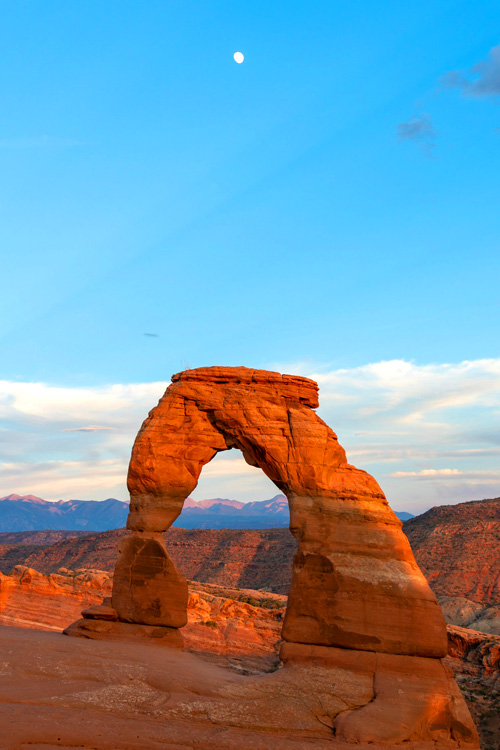
(Arches National Park, Utah, USA – Photo by Jakob Kohn)
Arches National Park has thousands of natural stone arches. You’ll also see fins, balanced rocks, and windows scattered throughout.
A scenic drive goes through the park and takes you to well-known spots like Balanced Rock, Double Arch, and the Windows. Delicate Arch stands out as the park’s most famous arch.
The hike to Delicate Arch includes open slickrock and a short ledge section. Go early or late if you want gentler temperatures and a better chance at parking.
If you’re after something easier, check out the Delicate Arch Viewpoint. Short walks to Sand Dune Arch and Skyline Arch make for a nice break, too.
The Fiery Furnace is a maze-like area. You’ll need a permit or to sign up for a ranger tour, and it’s best for folks who don’t mind squeezing through tight sandstone corridors.
Trails can be flat and sandy or rocky and uneven, so pick what feels right for you. After hiking, you can stop at overlooks and just watch how the light changes the rock.
Moab, the nearby town, has places to eat, rent gear, and rest. If you want to explore more, you can pair Arches with Dead Horse Point State Park or parts of Canyonlands for a full day or weekend.
Read next: 15 Best Things to See & Do in Michigan for Families, Couples, & Friends
4. Canyonlands National Park
Canyonlands National Park splits into four districts: Island in the Sky, The Needles, The Maze, and the rivers. Most folks start at Island in the Sky since it has short hikes and sweeping overlooks.
Mesa Arch at sunrise draws a crowd. The loop around Upheaval Dome shows off some pretty wild geology.
The Needles gives you longer trails that go through spires and canyons. Day hikes like Chesler Park and Cave Spring are solid picks.
The Maze sits way out there and really demands strong navigation skills and a bit of grit. A lot of people skip it unless they’re set on a backcountry adventure.
River trips on the Green and Colorado switch from gentle flatwater to some real whitewater, usually with guides. Bring a lot of water and sun protection as shade’s not easy to find.
Cell service? Pretty much nonexistent, so it’s smart to download maps before you go. Pairing Canyonlands with Dead Horse Point State Park gives you another great viewpoint near Island in the Sky.
Start early if you can. Cooler air, quieter overlooks. Worth it. Take breaks and just watch the shadows shift across the canyons.
With a simple plan, maybe two or three stops, a short hike, and some time to just sit, you’ll get a feel for the scale of this desert landscape.
Don’t miss: 12 Best Things to Do & Places to See in Maine: Bucket-List Ideas
5. Capitol Reef National Park
Capitol Reef National Park has colorful cliffs, domes, orchards, and a scenic road winding along the Waterpocket Fold.
In Fruita, you can walk among historic buildings or step inside the old schoolhouse. When fruit is in season, picking apples or peaches in the orchards is a simple pleasure.
The Scenic Drive and Capitol Gorge get you close to layered rock and petroglyph panels. Hickman Bridge is a favorite moderate hike that leads to a natural bridge.
Cassidy Arch asks for a bit more effort, with climbing and slickrock along the way. If you want a quieter drive, Notom-Bullfrog Road and Cathedral Valley open up wide views and strange formations.
Always check road conditions here, and a high-clearance vehicle makes life easier.
Get into the visitor center to learn about the geology and history. Pick one or two hikes that match your comfort level, no need to overdo it…
Keep an eye out for pie at the Gifford Homestead. It’s a sweet reward after a walk, and who doesn’t like pie?
Starting early helps you avoid the heat. Capitol Reef can be a quick stop between other parks. But if you slow down, you’ll notice more: details, colors, quiet.
6. Monument Valley
Monument Valley stretches across tribal land. Tall sandstone buttes rise from a wide, open desert floor.
The 17-mile Valley Drive goes past famous formations like The Mittens and Merrick Butte. The road is dirt, sometimes rough, so you’ll want to drive slowly and check conditions before heading out.
Navajo guides offer tours that go deeper into areas closed to self-driving visitors. They share stories about the land and their culture, which you just can’t get on your own.
Sunrises and sunsets add soft light, highlighting the shapes and edges of the rock. If you walk near the viewpoints, you’ll find a quiet that’s hard to describe.
Bring water, sun protection, and a camera. You’ll probably want to stop more than you expect.
The View Hotel and other nearby lodging make it easy to stay close. Some people pair a visit here with Goosenecks State Park or Valley of the Gods.
As the light shifts, you’ll notice the landscape feels new every time you look.
7. Salt Lake City and Temple Square
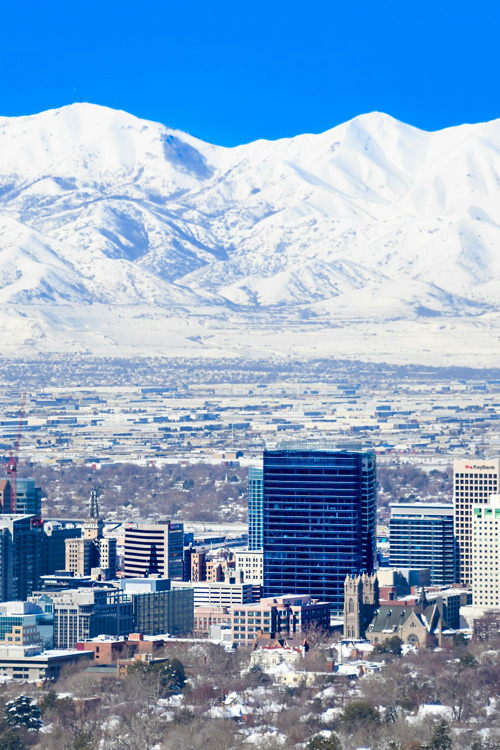
(Salt Lake City in Winter, Utah, USA – Photo by Brent Pace)
Salt Lake City has this cool mix of history, food, museums, and quick access to the outdoors. Temple Square is right in the center, with gardens, visitor centers, and old buildings tied to the city’s beginnings.
You’ll find guided tours there if you want some backstory on the architecture or local culture. Just nearby, the Utah State Capitol, City Creek shopping, and the Clark Planetarium are easy to check out too.
The Natural History Museum of Utah has hands-on exhibits and some pretty great views over the valley. If you want a quick outdoor fix, try the Bonneville Shoreline Trail or Red Butte Garden.
Curious about the Great Salt Lake? You can drive out to Antelope Island State Park and maybe see some bison along with the open water.
Salt Lake’s food scene is casual, with local bakeries and easy meals all over. Public transit makes it simple to get around the central sights, so you can skip the parking headache.
It’s best to keep your plans loose. Maybe tour Temple Square, get lunch downtown, visit a museum, and walk at sunset. Pick a couple of things that actually interest you.
Salt Lake City also goes nicely with a mountain day trip or even a longer route through Utah’s scenic areas.
8. Park City for skiing and Sundance
Park City is a mountain town with ski terrain, lift-access biking, and an energetic main street. In winter, Park City Mountain and nearby Deer Valley offer groomed runs and varied slopes for different skill levels.
Rentals and lessons make it pretty easy to try skiing or snowboarding. In summer, the trails shift to hiking and mountain biking, and the lifts help you reach cooler air and those amazing views.
Every January, the Sundance Film Festival brings independent films, panels, and crowds. Screenings show up all across town, which is exciting but means parking gets tight during the festival.
You’ll probably want to plan for shuttles or just walk. Main Street has galleries, casual restaurants, and shops, perfect for a relaxed evening after a day outside.
Dress in layers, because mountain weather can flip on you fast. If you’re craving a slow day, maybe take a scenic drive to Guardsman Pass or stroll along the Rail Trail.
Families find easy fun with the alpine coaster and kid-friendly trails. Park City also works well as a base for day trips to Salt Lake City or the nearby canyons.
Here you can enjoy the mix of fresh air, that small-town vibe, and simple comforts.
9. Bonneville Salt Flats
The Bonneville Salt Flats stretch out like a white mirror under huge skies. The hard, flat surface comes from layers of salt left by ancient lakes.
People show up for photos, quiet walks, and that sense of open space. When the flats are dry, you can walk far from the parking area.
Don’t drive off the designated entry if things look muddy, though. After a rain, water pools and creates shallow reflections that shift with the light and wind.
Land speed events pop up seasonally. Access might be limited during race periods, so check schedules before heading out.
Bring sun protection, water, and sunglasses: the brightness out here can be brutal. The flats sit close to the town of Wendover, which has some lodging and basic services.
It’s easy to pair a short stop with a drive along I-80 to see changing desert views. Clouds and light shift constantly, making new scenes every few minutes.
10. Lake Powell and Glen Canyon
Lake Powell and Glen Canyon mix red rock walls with calm blue water. The place is packed with small coves and side canyons just waiting for someone to poke around.
People show up for boating, kayaking, stand-up paddleboarding, and those short hikes on slickrock near the shore. Antelope Canyon by boat draws a crowd, and so do the beaches near Wahweap and Lone Rock.
Water levels shift, sometimes messing with access to certain canyons and marinas. So check current conditions before you make plans.
Rentals and tours help a lot if you don’t have your own gear. Early mornings or late afternoons usually mean gentler winds and smoother water.
If you’d rather stay on land, you can drive to scenic overlooks and walk along the rim for a bit. Page, Arizona, offers lodging, food, and supplies, so it works well as a base for day trips to Horseshoe Bend or a guided tour of Antelope Slot Canyon.
Read next: 12 Best Things to Do & Places to See in West Virginia: Can’t-Miss Ideas