
France is a dream for anyone who loves food. From rustic countryside kitchens to busy city markets, every region brings its own flavors and traditions.
You’ll find dishes shaped by history and local ingredients. There’s a passion for cooking here that just runs deep.
Fresh seafood by the Mediterranean? Absolutely. Rich stews in the southwest, delicate pastries in Paris – each stop really does offer something you should definitely taste.
In this article, I’ve put together 10 of the best travel destinations that’ll guide you through the country’s diverse food culture.
Each place brings its own story to the table, and really, you might want to try them all.
Let’s get started!
Read also: 10 Best Places to Visit in Italy for Food Lovers
Keep in mind: Our articles may contain errors, despite our best efforts. So, do thorough research before deciding on a travel destination.
1. Paris

This video will be loaded from YouTube.com, a third party. If you click "Play", you accept their terms of service, and their use of cookies.
Paris gives you a wide taste of French food in one city. You can start your day with a flaky croissant.
Next, stroll through neighborhood bistros for classics like coq au vin, onion soup, or steak frites. Visit markets like Marché d’Aligre and pick up cheese, bread, or whatever produce looks good.
Get into a patisserie for macarons, mille-feuille, or maybe just a fresh éclair. Grab a simple jambon-beurre at a corner bakery, and sip a café crème while you watch people go by.
In the evening, check out small wine bars with regional bottles alongside charcuterie and cheeses. Did you know the modern restaurant menu and “service” style actually started in Paris during the 19th century? It really shaped dining culture everywhere.
Les Halles served as the city’s central food market for centuries, earning the nickname “the belly of Paris.” End your food day with a warm crêpe from a street stand or maybe a slice of tarte tatin.
Whether you’re near the Seine or on the side streets, you’ll stumble on flavors from all over France, all in one place…
Don’t miss: Autumn in Paris (France): 10 Best Things to Do & Places to See
2. Lyon

This video will be loaded from YouTube.com, a third party. If you click "Play", you accept their terms of service, and their use of cookies.
Lyon is all about hearty, everyday cooking that just feels inviting. If you’re after tradition, grab a seat at a bouchon and order quenelles, tablier de sapeur (that’s fried tripe), or sausage with lentils.
You can wander over to Les Halles de Lyon Paul Bocuse. There, you’ll find cheeses, cured meats, oysters, and that addictive praline brioche.
Plates here tend to be simple, focusing on solid technique and really good ingredients. For dessert, tarte aux pralines is a local favorite; don’t skip it!
Pair your meal with a glass of Côtes du Rhône or Beaujolais. Both work wonders with cured pork or a proper cheese board.
Here’s something interesting: Lyon’s famous bouchons started because silk workers needed filling meals that didn’t break the bank. Also, chef Paul Bocuse – ever heard of him? – really helped put Lyon’s food scene on the world map.
Take a stroll along the Saône. Get into one of those tiny wine bars where the chalkboard menu changes with the seasons.
If you’re up for it, finish with a warm cervelle de canut, that herby cheese spread, and plenty of crusty bread. Lyon’s best if you’re a slow, curious eater who loves simple flavors done right.
Read next: 10 Best Small Towns in the USA to Visit for Foodies
3. Bordeaux
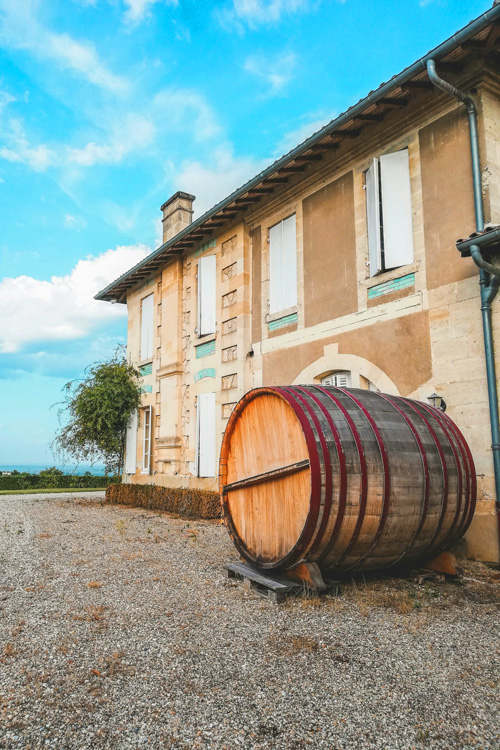
(Chateau in Bordeaux, France – Photo by Árpád Czapp)
Bordeaux offers balanced food to match its famous wines. Head to Marché des Capucins for oysters, cheeses, and fresh produce, then taste local specialties like entrecôte à la bordelaise, cooked with shallots and wine.
Try lamprey or eel when in season, and end with cannelés, small caramelized cakes with a custard center. Explore wine bars where staff help you find reds from Médoc or Saint-Émilion and whites from Graves.
Two facts to know: Bordeaux’s wine trade expanded with the 18th-century port, connecting the city to markets across Europe; and cannelés are linked to convent baking traditions, using leftover egg yolks after wine fining used whites.
Enjoy simple plates that let the wine shine: grilled meats, mushrooms, and aged cheeses. Take a tram to nearby vineyards and learn how soil and climate shape flavor.
In the evening, you can try a seafood platter from Arcachon Bay and discover how local salt and lemon lift the taste. Bordeaux invites you to notice the harmony between the kitchen and the cellar.
You’ll also love: 10 Beautiful Small Towns in France to Visit for Cottagecore Lovers
4. Marseille

(Marseille, France – Photo by Chloé Martin)
Marseille brings bold Mediterranean flavors to the table. You can explore the Old Port for fish straight from the boats, then try bouillabaisse, a rustic fish stew served with garlicky rouille and toast.
Taste panisses (chickpea fritters), aioli platters, and grilled sardines. Visit Noailles market for spices, olives, and North African influences like couscous and merguez. Taste a chilled rosé or a pastis and enjoy the sea breeze.
Two interesting facts: Marseille is France’s oldest city, founded by Greek sailors from Phocaea around 600 BCE; and bouillabaisse began as a fishermen’s dish, using bony fish that were hard to sell.
You can stop by a bakery for fougasse, a leaf-shaped bread, and add anchovies or herbs for a snack. Try simple seafood cooked with olive oil and lemon, and finish with navettes, orange blossom cookies.
Walk along the Corniche at sunset and find small places where the catch of the day guides the menu. Marseille’s food feels direct, sunny, and grounded in the sea…
Read also: 10 Best Towns in the South of France: Charming Destinations for Your Next Trip
5. Toulouse
Toulouse centers on comforting dishes from Southwest France. Taste cassoulet, a slow-cooked mix of beans, duck confit, and sausage, then explore duck magret, garbure soup, and local cheeses.
Check out Victor Hugo Market for charcuterie, mushrooms, and pastries. Try Gaillac or Madiran wines that match the region’s rich flavors.
Two facts: Cassoulet has roots in nearby towns like Castelnaudary and Carcassonne, each with its own claim. Toulouse’s “Pink City” nickname comes from its warm brick buildings.
Enjoy foie gras in small portions and simple salads with walnut oil. Grab an almond croissant or a croustade apple tart for a sweet finish.
At night, you can look for bistros with daily menus that change based on what’s fresh. The city’s food feels rustic and friendly, inviting you to share plates and pass bread.
Toulouse is a good place where you should slow down, taste warm dishes, and enjoy honest cooking.
Read next: Autumn in Provence (France): 12 Breathtaking Places You Should Visit
6. Dijon (Burgundy)
Dijon serves up classic Burgundian flavors, especially when it comes to sauces and slow-cooked dishes. Try boeuf bourguignon or escargots drenched in garlicky butter.
Oeufs en meurette – eggs poached in red wine sauce – are worth a taste too. Get into specialty shops to try mustards and see how different seeds or vinegars tweak the flavor.
Les Halles market bursts with cheeses like Époisses and whatever produce happens to be in season. Grab a glass of Pinot Noir or Chardonnay, maybe with some charcuterie and some bread.
Did you know Dijon’s mustard tradition goes all the way back to the Middle Ages? The region’s wine vinegar really gave it a boost.
Burgundy’s old monastic vineyards shaped winemaking here for centuries. Toss a spoonful of that mustard on grilled meat or whisk it into a salad dressing if you want some flavor.
Gingerbread (pain d’épices) from nearby towns is worth seeking out. Don’t miss a gougère either: a cheesy, airy puff that’s basically irresistible.
Stroll past half-timbered houses and get into a wine bar, where the staff might point you toward bottles from tiny villages you’ve never heard of. Dijon, in the end, is all about building flavor with patience and care.
7. Strasbourg (Alsace)
Strasbourg mixes French and German food traditions in a cozy way. You can try a tarte flambée with cheese, onions, and lardons, then try choucroute garnie with sausages and smoked pork.
Visit the Christmas market for spiced cookies and hot drinks in winter, or farmers’ markets for asparagus and berries in spring.
Next, taste Riesling, Pinot Blanc, or Gewürztraminer with simple dishes that highlight fresh acidity and aromatics.
Two fun facts: Strasbourg’s old town (La Petite France) grew around tanners’ and millers’ houses along the canals; and the city has switched between French and German rule multiple times, also influencing its food culture.
Pick up bretzels for a warm snack and a slice of kugelhopf for dessert. Try Munster cheese with cumin seeds and crusty bread.
Walk narrow streets, get into winstubs (wine taverns), and let the daily specials guide you. Strasbourg invites you to enjoy comforting plates with bright and lively wines.
Must read: 10 Best Things to Do in Strasbourg, France at Christmas for a Magical Holiday
8. Nice (French Riviera)
Nice celebrates fresh, sunny flavors with simple ingredients. You can try socca, a crisp chickpea pancake.
Pan bagnat is a sandwich with tuna, eggs, and vegetables. Order salade niçoise too, if you’re feeling classic.
After that, maybe check out stuffed vegetables – petit farci – or sweet tourte de blettes, which mixes Swiss chard and raisins. Stroll the Cours Saleya market for olives, citrus, and fragrant herbs.
You can taste a local rosé or a light red. Seafood here gets cooked with olive oil and lemon, which just feels great.
Fun facts: Nice belonged to the Duchy of Savoy before joining France in 1860, so its food has strong Italian ties. Socca started as humble street food, baked on big iron pans.
Try pissaladière, an onion tart with anchovies, for a savory bite. Finish with a lemon tart or some gelato from a tiny shop.
Meals in Nice feel relaxed and sunny, built for grazing and sharing. The city really shines when it comes to simple plates that let fresh produce do the talking.
9. Dordogne (Nouvelle-Aquitaine)
Dordogne is all about earthy, comforting food straight from farms and forests. You’ll taste duck confit, foie gras, and plenty of grilled meats.
There’s always something new. Maybe seasonal mushrooms or a handful of walnuts. Sarlat market bursts with truffles, strawberries, and creamy goat cheeses.
Pair rustic dishes with Bergerac wines. Sometimes, just a simple salad drizzled with walnut oil hits the spot.
Here’s something interesting: Lascaux’s prehistoric cave art shows how deep the region’s roots run. Périgord, Dordogne’s old name, splits into color zones – Black, Green, White, and Purple – each tied to forests, rivers, or vineyards.
You could get a jar of rillettes and a crusty loaf for an easy picnic. That’s really hard to beat! In the fall, cep mushrooms and chestnuts pop up everywhere.
You might want roasted potatoes cooked in duck fat, then finish with a walnut tart or a slice of pastis, that layered pastry you’ll remember.
Dordogne offers slow meals, warm kitchens, and the hush of the countryside. It’s a place where honest and simple food just feels right at home.
10. Provence
Provence serves up garden-fresh cooking, full of herbs, olive oil, and ripe vegetables. Try ratatouille, grilled fish, or tapenade with some crusty bread. It’s hard to go wrong…
Walk through markets in Aix, Avignon, or Arles. You’ll find tomatoes, zucchini, garlic, and stone fruit that just beg to come home with you.
Pair your meal with a glass of rosé or a splash of herbal cordial. The dishes usually feel light, fragrant, and somehow effortless.
Did you know lavender fields only became a symbol of Provence in the 20th century? They ended up supporting local perfumers and honey producers.
Ancient Romans built roads and amphitheaters here, leaving behind a history that influenced farming and trade. That’s probably why the region’s food feels so connected to its land.
Taste anchoïade, that punchy anchovy dip, or simple salads with goat cheese. In summer, check out bouillabaisse-style fish stews along the coast.
When winter rolls in, daube provençale – a slow-cooked beef dish with wine and orange – feels amazing. For dessert, maybe reach for calissons, those almond candies from Aix, or just a slice of fruit tart.
Provence feels sunny and relaxed. It invites you to eat outdoors and really enjoy whatever’s in season…
Read next: 9 Amazing Small Towns to Visit in France this Autumn for a Dream Holiday