
California’s history runs deep in every corner. This guide highlights 17 small towns in California, USA, that really bring the past to life.
These towns sprang up during the gold rush and the first farming days. Those eras played a huge part in shaping the state.
You’ll walk among old buildings and browse local museums. There are also annual events that honor each town’s beginnings.
Every one of these places gives you a real sense of how communities formed and how folks lived back then.
It’s a chance to learn, discover, and maybe get some new travel ideas! Let’s get started!
Read also: 15 Cute, Small Mountain Towns in Colorado for Your Next Travel Adventure
Keep in mind: Our articles may contain errors, despite our best efforts. So, do a thorough research before deciding on a travel destination.
Our Top Picks: Cute, Small Towns in California
1. Murphys

This video will be loaded from YouTube.com, a third party. If you click "Play", you accept their terms of service, and their use of cookies.
Murphys is a historic town in Calaveras County, California, that began in the mid-1800s during the gold rush when many came in search of fortune.
The town grew with mining activities and now attracts visitors to places like Mercer Caverns, where you can see rare rock formations, local wineries that offer wine tastings, and the Old Timers Museum, which displays many items from the past.
Today, Murphys is home to about 2,000 people and covers around 10 square miles, offering a glimpse of its rich history through annual community events and preserved historic sites.
Don’t miss: 15 Best European Cities to Visit in July: Summer Travel Ideas
2. Cambria

This video will be loaded from YouTube.com, a third party. If you click "Play", you accept their terms of service, and their use of cookies.
Cambria is a small seaside village in San Luis Obispo County. Its story really kicked off back in the 1800s, when folks came for logging, ranching, and mining.
They actually called it Slabtown at first. That changed in 1869, when someone decided to rename it Cambria, borrowing the Latin word for Wales.
These days, people usually wander down to Moonstone Beach to check out the smooth stones scattered along the shore. Others head over to Fiscalini Ranch Preserve, where the walking paths are simple and the views aren’t bad either.
The Cambria Historical Museum sits in a building from 1870 and displays all sorts of items from the town’s past. Around 6,000 people call Cambria home now, spread across about 8.42 square miles.
3. Solvang

(Solvang, CA, USA – Photo by Carlos Gonzalez)
Solvang is located in Santa Barbara County, California. Danish settlers founded it back in 1911, chasing warmer weather and a fresh start.
The name “Solvang” means “sunny field,” which feels fitting. Walk around and you’ll spot buildings with that classic old Danish look, plus windmills and statues that nod to Denmark’s traditions.
Old Mission Santa Inés is a big deal here. Spanish settlers built it in 1804, and it still stands as a reminder of California’s early days.
Local museums and displays share stories from Solvang’s past. Events like Danish Days pop up each year, letting folks celebrate their roots.
These days, about 6,000 people live here. The town itself covers just over two square miles, cozy, but never dull.
4. Idyllwild
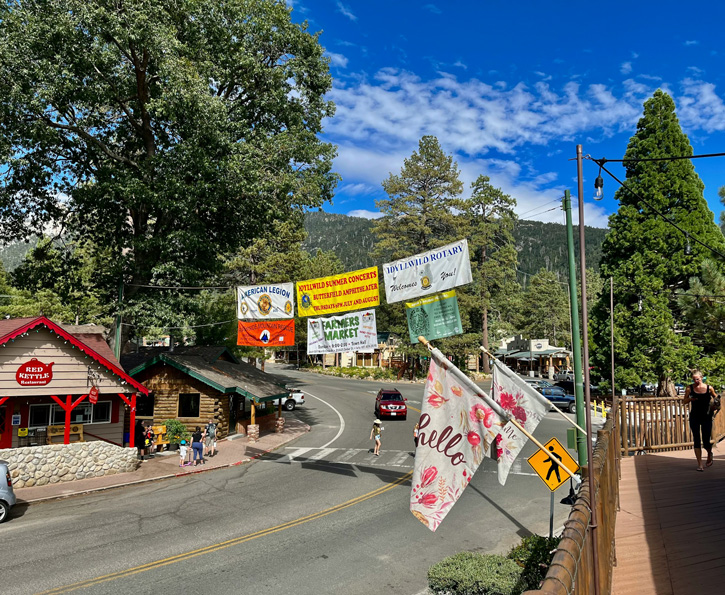
(Idyllwild-Pine Cove, CA, USA – Photo by Don Stouder)
Idyllwild is a mountain town in Riverside County. It was once known as Strawberry Valley because wild strawberries grew along a clear creek.
In 1893, a post office began operating here, and in 1901 a building was constructed to help patients with lung sickness: that building later became a resort.
Today, about 3,800 people live in Idyllwild. The town is known for rock climbing at Tahquitz Peak, hiking trails through pine forests, and a small museum that explains its past.
Many visitors come to enjoy the cool mountain air and beautiful mountain views.
5. Nevada City
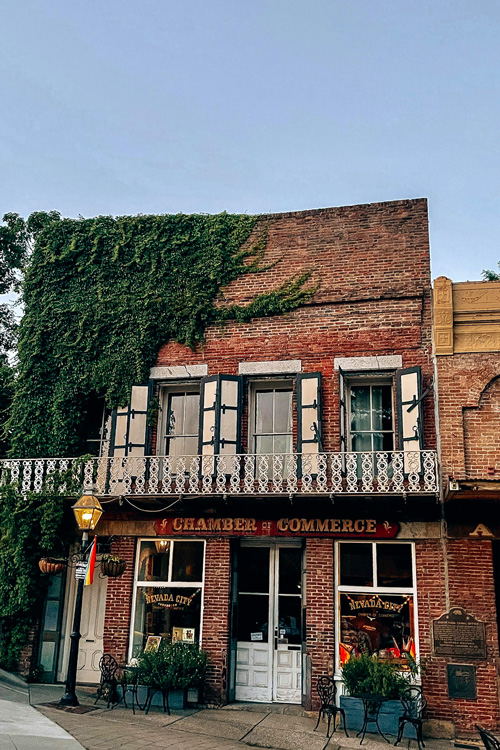
(Nevada City, CA, USA – Photo by Amy Vosters)
Nevada City sits in Nevada County and got its start back in 1849 during the gold rush. Miners and workers flocked here, building mines, sawmills, and stores as the town quickly grew into a key spot for the region.
You’ll find a bunch of old buildings and museums still standing, like the Nevada Theatre and the Firehouse Museum. These places give you a real sense of what life was like back then.
The town covers about 2.2 square miles. These days, it’s home to around 3,200 people.
6. Half Moon Bay
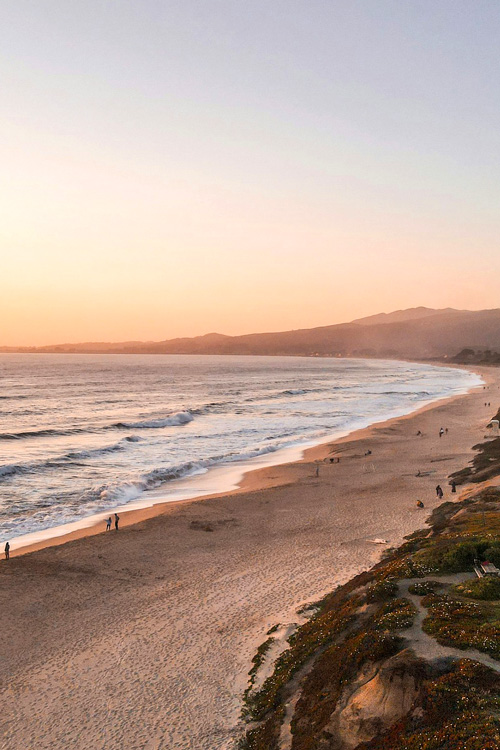
(Half Moon Bay, CA, USA – Photo by Noah Boyer)
Half Moon Bay is a coastal city in San Mateo County about 25 miles south of San Francisco.
It began as a farming and fishing area in the 1840s, serving nearby missions, and was first called San Benito before later being known as Spanishtown.
In 1874, it received its current name because its bay forms a half-moon shape. Today, about 11,100 people live in Half Moon Bay, which covers roughly 6.25 square miles.
Visitors can explore its old downtown, enjoy wide open beaches that attract surfers, and take part in local events like the annual Pumpkin Festival that honors the town’s long past.
7. St. Helena
St. Helena is in Napa County and traces its roots back to the mid-1800s. It officially became a town in 1876 when settlers started arriving, drawn by the land and opportunity.
People began setting up farms and vineyards, shaping the place into something special. Over time, the area grew into a key part of California’s wine region.
You’ll find plenty of wineries, along with art galleries, museums, and historic spots that show the work of those early residents. These sites feel like a bridge to the past.
Today, around 5,200 people call St. Helena home, spread across nearly 5 square miles. The city offers a blend of history, wine tasting, and spots to dig into its story: really, there’s a little something for everyone!
8. Carmel-by-the-Sea
Carmel-by-the-Sea sits on the coast in Monterey County. It’s a historic little town with roots going back over 200 years.
Spanish settlers built the Carmel Mission here, setting the stage for what would come later. Eventually, artists and writers flocked to the area, drawn by the scenery and the vibe.
You’ll find small, almost storybook-like houses along winding streets. Art galleries are everywhere, and there’s a long sandy beach that’s perfect for a stroll.
Local shops add to the town’s character, each one reminding its rich past. The coastal views? Pretty stunning!
Visitors often check out the Carmel Mission and wander through museums that help keep the town’s history alive. These days, around 3,700 people call Carmel-by-the-Sea home: small, but that’s part of the charm.
9. Los Olivos
Los Olivos in the Santa Ynez Valley, is a pretty small town. Back in the late 1800s, a ranch owner planted some olive trees here. That’s actually how Los Olivos got its name.
At first, it was just a stop along the old stagecoach routes. Later on, the local wine scene started picking up, and the town grew right along with it.
These days, you’ll find plenty of wineries with tasting rooms scattered around. There are also art galleries, some local shops, and a few historic spots like Mattei’s Tavern that are worth a look.
The whole place covers about 2.46 square miles. Around 1,000 people live here.
10. Ferndale
Ferndale is a town in Humboldt County that began in the mid-1800s during the gold rush when settlers came to work in mining and farming.
The town grew as a center for dairy work and remains known for its well-kept Victorian storefronts and homes.
Visitors see local museums, art galleries, and parks while taking part in community events that honor its past.
Today, about 1,400 people live in Ferndale.
11. Ojai
Ojai, in Ventura County, has roots that reach back to the Spanish mission era and the old Mexican land grants.
Its name comes from a local Native American word for “moon.” Settlers arrived, chasing new opportunities. Farming took off, and small businesses were started.
If you visit, you’ll spot art galleries and a couple of museums. The downtown has a lively vibe, with farmers’ markets and music events happening pretty often.
About 7,500 people live in Ojai today, spread across just over 4 square miles. The town works to keep its history alive, with preserved buildings and community celebrations that give it real character.
12. Truckee
Truckee, in Nevada County, started back in the 1800s as a wagon road stop during the gold rush.
The railroad’s arrival helped it grow. Folks named the town after a Native American chief who’d been especially helpful.
Truckee’s past is full of stories. You can learn about those times at museums like the Truckee Railroad Museum.
Today, roughly 17,000 people live here. The town stretches across more than 30 square miles.
You’ll find plenty of outdoor activities here. If you’re curious about history, the well-kept old buildings offer a real view into Truckee’s roots.
13. Julian
Julian is located in the mountains of San Diego County. The town got its start during the gold rush of the late 1800s.
Early on, folks named it after one of the first settlers, Mike Julian. People showed up hoping to strike gold, but when that faded, many decided to stick around and start farming.
Apples grew well in the area, and before long, Julian became known for its apple pies. The tradition stuck, and now the town throws yearly festivals to celebrate.
You can still feel the old days here. Gold mine tours and the Julian Pioneer Museum let you walk through preserved buildings and check out artifacts.
These days, about 1,500 people live in Julian. Visitors come for the history, and the mountain views aren’t bad either.
14. Pismo Beach
Pismo Beach sits in San Luis Obispo County, right along California’s central coast. The city’s roots stretch way back, long before surfboards and sunbathers.
The Chumash people called this area home for centuries. Then, in the 1700s, Spanish explorers wandered through, changing the story a bit.
Later, the land became part of a huge Mexican land grant. When someone built a pier in the late 1800s, the town started to grow.
The name “Pismo” comes from a native word for tar. Locals got pretty famous for their clams, and they still celebrate that with festivals.
These days, about 8,000 folks live in Pismo Beach. If you’re visiting, you’ll find the Pismo Pier, Monarch Butterfly Grove, and Dinosaur Caves Park, plus that endless ocean and wide, sandy beach.
15. Mendocino
Mendocino sits in Mendocino County as an unincorporated community. It was founded in the mid-1800s, thanks to logging and timber work.
Early settlers built the town to keep the lumber industry running. Over the years, though, it’s drawn artists and curious visitors who want to dig into its past.
You can spot Mendocino’s history in old houses and a handful of small museums. There are also some coastal parks right where the Big River meets the Pacific.
Right now, about 900 people call Mendocino home. The community covers just around 3 square miles.
16. Grass Valley
Grass Valley, in Nevada County, really took off during the Gold Rush in the mid-1800s, when miners flocked here chasing dreams of gold.
People from Europe, especially Cornwall, showed up to work the mines. Their hard work shaped the town, leaving behind old buildings and some pretty important sites.
You can still catch views of that gold mining era at places like Empire Mine State Historic Park. There’s also the North Star Powerhouse Mining Museum, which is definitely worth a look if you’re curious about the area’s past.
Grass Valley covers about 4.7 square miles. Around 14,000 people call it home these days.
17. Calistoga
Calistoga is a historic town in Napa County founded in 1868 when the railroad arrived and helped turn the place into a destination for its natural hot springs and mineral waters.
The town grew as visitors came to enjoy its spas, mud baths, and old resorts that show how people once lived during the gold rush and early tourism days.
Today, Calistoga covers about 2.6 square miles and is home to roughly 5,200 residents. It also offers local museums, parks, and preserved buildings that let you see the town’s past and experience its natural offerings.