
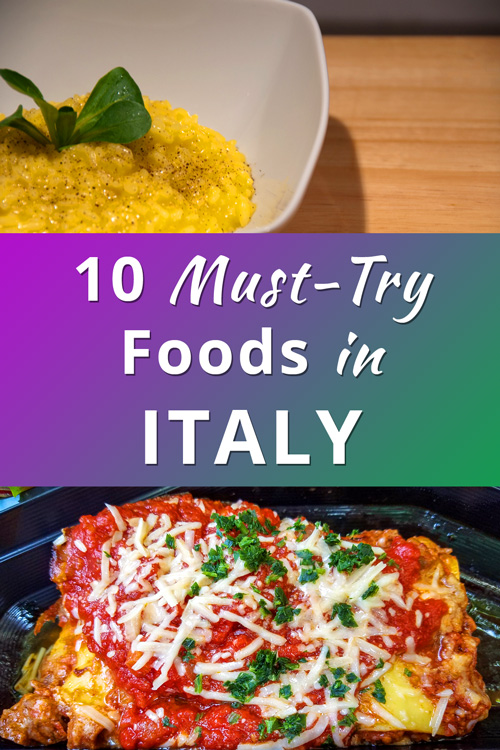
Italy is a country where food is tangled up in daily life, history, and culture. It isn’t just something to eat. From the busy streets of Naples to the quiet hills of Emilia-Romagna, each region has popular dishes.
Some recipes go back hundreds of years, shaped by local traditions and family kitchens. Others found fame when travelers and chefs carried them beyond Italy’s borders.
In this travel guide, we’ll explore 10 foods that give you a true taste of La Dolce Vita. These dishes range from simple street snacks to carefully prepared meals.
Each one shows how Italians turn fresh ingredients into something memorable. You’ll see how pizza became a symbol of Naples, why saffron colors Milan’s risotto, and how Sicilian sweets reflect centuries of cultural influence.
Whether you’re planning a trip or just curious about Italian cooking, these foods offer a delicious way to connect with the country’s spirit and traditions.
Let’s get started!
Don’t miss: The Top 10 Foods to Try in Rome, Italy, for an Authentic Taste of the Eternal City
Keep in mind: Our articles may contain errors, despite our best efforts. So, do thorough research before deciding on a travel destination.
1. Pizza Napoletana

This video will be loaded from YouTube.com, a third party. If you click "Play", you accept their terms of service, and their use of cookies.
Pizza Napoletana comes from Naples and is one of Italy’s most famous dishes. It is made with a thin, soft crust that cooks quickly in a wood-fired oven. The classic version uses San Marzano tomatoes, mozzarella di bufala, fresh basil, and olive oil.
This simple combination creates a balanced flavor that has been enjoyed for generations. In fact, Neapolitan pizza was recognized by UNESCO as part of the world’s cultural heritage in 2017.
The story goes that in 1889, a pizzaiolo named Raffaele Esposito created a pizza with tomato, mozzarella, and basil to honor Queen Margherita of Savoy. That dish became known as Pizza Margherita, and it remains popular today.
Eating pizza in Naples is a tradition that connects locals and visitors to the city’s history. Whether enjoyed in a busy pizzeria or on a quiet street corner, Pizza Napoletana offers a true taste of Italian culture and the art of simple cooking.
Read also: 10 Best Places to Visit in Italy for Food Lovers
2. Pasta Carbonara

This video will be loaded from YouTube.com, a third party. If you click "Play", you accept their terms of service, and their use of cookies.
Pasta Carbonara is a Roman favorite that combines pasta, eggs, Pecorino Romano cheese, guanciale, and black pepper. Unlike many creamy pasta dishes, Carbonara does not use cream.
The sauce comes from mixing hot pasta with eggs and cheese, creating a silky texture. The dish is believed to have appeared in the mid-20th century, though its exact origins are debated.
Some say it was created by coal miners, which is why the name “carbonara” relates to “carbone,” meaning coal. Others believe it became popular after WWII when American soldiers brought bacon and eggs to Italy.
Today, guanciale, a cured pork cheek, is considered the traditional ingredient, though pancetta is sometimes used. Carbonara reflects Roman cooking: simple ingredients, bold flavors, and a focus on technique.
Eating it in Rome connects you to the city’s culinary past and shows how a few ingredients can create something memorable.
Read next: 50+ Fun Facts about Italy: Ancient Ruins, Romance & Riviera
3. Risotto alla Milanese
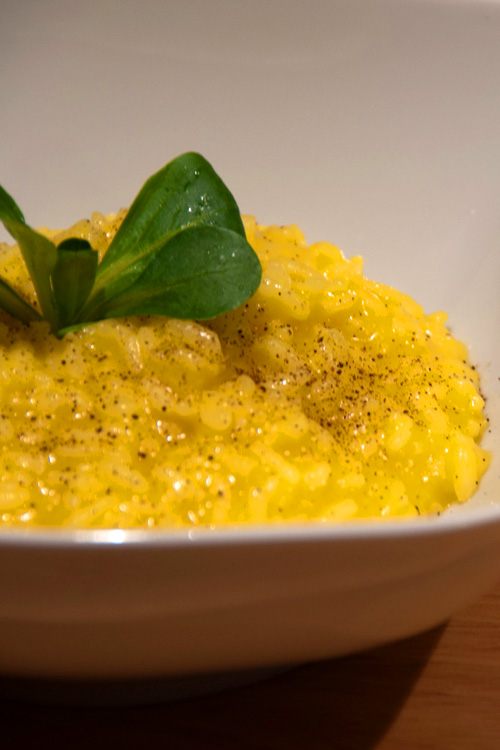
(Risoltto alla Milanese by Giorgio Minguzzi, CC BY-SA 2.0)
Risotto alla Milanese is a creamy rice dish from Milan flavored with saffron. The golden color makes it stand out, and the taste is rich yet delicate. It’s often served with ossobuco, creating a classic Milanese pairing.
The dish dates back to the Renaissance, when saffron was used not only for flavor but also for coloring food and even glass. A legend says that in the 1500s, a glassmaker’s apprentice added saffron to rice at a wedding feast, and the guests loved it.
Since then, saffron risotto has been part of Milan’s food culture. The cooking method involves slowly adding broth to rice while stirring, which creates the creamy texture.
Risotto alla Milanese shows how northern Italy uses rice instead of pasta as a staple. Eating it in Milan connects you to centuries of tradition and the city’s love for elegant and comforting dishes.
You’ll also love: 15 Best Things To Do in Milan (Italy) in Summer
4. Lasagna alla Bolognese
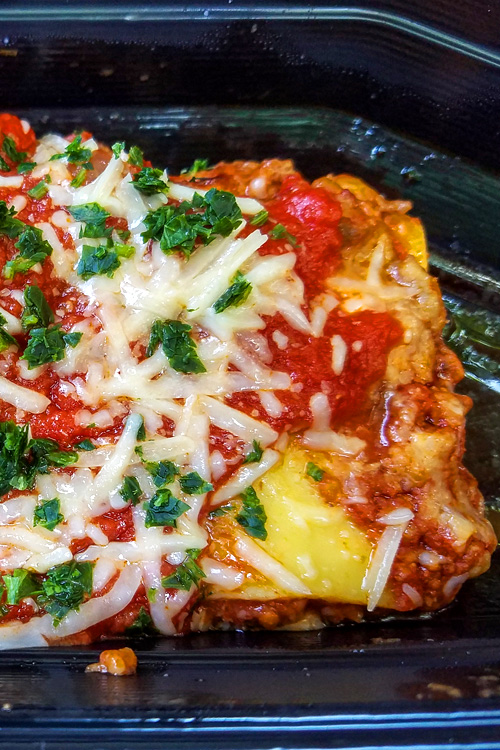
(Lasagna alla Bolognese by Anna Fox, CC BY 2.0)
Lasagna alla Bolognese is a layered pasta dish from Bologna. It combines sheets of pasta with ragù, béchamel sauce, and Parmigiano Reggiano. The ragù is made with meat, tomatoes, and vegetables, cooked slowly to develop flavor.
Lasagna has ancient roots, with versions of layered pasta mentioned as far back as Roman times. The modern Bolognese version became popular in the Emilia-Romagna region, known for its rich food traditions. Each layer of pasta and sauce creates a hearty meal that reflects the region’s love for slow cooking.
Parmigiano Reggiano, another local product, adds depth to the dish. Lasagna alla Bolognese is often served during family gatherings and holidays, making it a symbol of comfort and celebration.
Eating it in Bologna connects you to the city’s culinary heritage and shows how pasta can be transformed into something special through patience and tradition.
Read also: Exploring the Charming Bologna in Italy: 10 Best Things to Do
5. Ossobuco
Ossobuco is a dish of braised veal shanks cooked with vegetables, white wine, and broth. The name means “bone with a hole,” referring to the marrow inside the bone, which adds flavor to the sauce.
Ossobuco comes from Milan and is often served with risotto alla Milanese. The dish dates back to the 19th century and reflects the city’s tradition of slow cooking.
A garnish called gremolata, made of lemon zest, garlic, and parsley, is sprinkled on top before serving. This adds freshness to the rich meat.
Ossobuco shows how Italian cooking uses every part of an ingredient, turning something simple into a flavorful meal.
It highlights the balance between hearty meat and bright flavors. It remains a dish that brings people together around the table.
6. Gelato
Gelato is Italy’s version of ice cream, but it’s denser and smoother. It uses less air than regular ice cream, which makes the flavors more intense. Gelato dates back to the Renaissance, when frozen desserts were served at banquets for nobles.
In Florence, Bernardo Buontalenti is credited with creating an early version in the 1500s. Today, gelato shops can be found in every Italian city, offering flavors that range from pistachio and hazelnut to fruit sorbets.
Unlike ice cream, gelato is often made fresh daily in small batches. It’s served at a slightly warmer temperature, which makes it softer and easier to taste.
Eating gelato in Italy is a treat and a tradition, often enjoyed while strolling through piazzas. It reflects the Italian love for simple pleasures and seasonal ingredients.
Don’t miss: 10 Best Things to See & Do in Florence, Italy: Summer Travel Ideas
7. Tiramisu
Tiramisu is a layered dessert made with coffee-soaked ladyfingers, mascarpone cream, and cocoa powder. The name means “pick me up,” referring to the boost from coffee and sugar.
Tiramisu is believed to have originated in the Veneto region in the 1960s, though some claim it was first made in Treviso. The dessert quickly spread across Italy and became popular worldwide.
Its balance of bitter coffee, sweet cream, and soft biscuits makes it unique. Mascarpone, a rich cheese from Lombardy, gives tiramisu its smooth texture.
Some versions add a splash of liqueur, such as Marsala, for extra flavor. Tiramisu reflects modern Italian creativity, combining traditional ingredients in a new way.
It shows how Italian desserts often carry stories of local pride and innovation.
8. Prosciutto di Parma
Prosciutto di Parma is a dry-cured ham from Parma in northern Italy. It’s made from specially raised pigs and aged for at least 12 months. The curing process uses only sea salt, allowing the meat’s natural flavor to develop.
Prosciutto has been produced in Parma for over 2,000 years, with records dating back to Roman times. Today, it is protected by the PDO (Protected Designation of Origin) label, which ensures traditional methods are followed.
Thin slices of prosciutto are often served with melon, bread, or cheese. The flavor is delicate and slightly sweet, making it a favorite in antipasto platters.
Prosciutto di Parma reflects Italy’s respect for craftsmanship and regional identity. It connects you to centuries of tradition and the careful process that makes this ham unique.
9. Arancini
Arancini are fried rice balls from Sicily, usually stuffed with ragù, peas, and mozzarella. The name comes from “arancia,” meaning orange, because their shape and color resemble the fruit.
Arancini date back to the 10th century, when Sicily was under Arab rule, and rice became common. They were originally made as a way to use leftover risotto.
Today, arancini are sold in bakeries and street stalls across Sicily. Different regions have their own versions, with fillings like ham, mushrooms, or pistachios. The crispy outside contrasts with the soft, flavorful inside, making them a popular snack or meal.
Arancini reflect Sicily’s mix of cultures and history, blending Arab, Norman, and Italian influences. Eating them in Palermo or Catania connects you to the island’s street food tradition and its creative use of simple ingredients.
10. Cannoli
Cannoli are pastry tubes filled with sweet ricotta cream, often topped with candied fruit or pistachios. They come from Sicily and were first made during Arab rule in the Middle Ages.
Cannoli were originally prepared for Carnival celebrations, symbolizing joy and abundance. Over time, they became a year-round treat. The shells are fried until crisp, while the filling is smooth and slightly tangy from the ricotta.
Some versions add chocolate chips or orange zest for more flavor. Cannoli reflect Sicily’s rich culinary history and its love for desserts that balance texture and taste.
Eating cannoli connects you to centuries of tradition and the festive spirit that inspired their creation. They remain one of Italy’s most recognizable sweets, enjoyed by locals and visitors alike.
Read next: 10 Best Things To See & Do in Sicily, Italy: Don’t Miss These!