


New England is a region where food is influenced by land, sea, and tradition. From Maine’s rocky coast to Rhode Island’s small towns, each state adds its own flavor to the table.
Lobster rolls and clam chowder show off the ocean’s bounty. Baked beans and brown bread tie right back to Boston’s past.
Johnnycakes and blueberry pie carry history from Native communities and local harvests. Maple syrup treats, boiled dinners, and apple cider donuts prove how the seasons shape what people eat and celebrate.
Even fun snacks like whoopie pies and coffee milk have found their way into everyday life here. These dishes offer a taste of New England’s culture, history, and comfort.
They’re experiences that connect you to the region’s farms, shores, and kitchens. If you’re planning a trip or just curious, this list gives you 10 New England foods worth trying at least once.
Don’t miss: 10 Best Small Towns in the USA to Visit for Foodies
Keep in mind: Our articles may contain errors, despite our best efforts. So, do thorough research before deciding on a travel destination.
1. Maine and Connecticut Lobster Roll

This video will be loaded from YouTube.com, a third party. If you click "Play", you accept their terms of service, and their use of cookies.
A lobster roll in New England changes a bit by state, and that’s part of the fun. In Maine, the roll is chilled: lobster meat tossed lightly with mayonnaise, maybe a touch of celery or lemon, then tucked into a split-top bun buttered and griddled.
In Connecticut, the roll is warm: lobster bathed in melted butter, no mayo, served in the same style bun. Both keep the focus on fresh lobster. Many roadside spots use claws and knuckles for a tender bite, and serve the roll with chips, coleslaw, or a pickle.
Stories trace a popular early version to Connecticut in the 1920s, when selling lobster in a bun made it easy to eat on the go. Maine’s coastal stands helped spread the roll across summer towns.
If you like a little brightness, add lemon and chives. If you want pure lobster flavor, go butter-only. The roll makes sense by the shore, where boats land daily, and simple ingredients let the seafood shine.
Read also: Visiting 10 Cute Small Towns in Connecticut: Destinations You’ll Fall in Love With
2. Massachusetts Clam Chowder

This video will be loaded from YouTube.com, a third party. If you click "Play", you accept their terms of service, and their use of cookies.
Massachusetts clam chowder is the classic New England style: clams, potatoes, onions, and milk or cream simmered into a gentle, briny soup. Salt pork or bacon often adds a smoky note.
The chowder is thick but spoonable, with tender potatoes and plenty of clam pieces. Coastal cooks have made chowder for centuries, using dairy and root vegetables that were affordable and easy to keep.
Early recipes sometimes thickened the pot with ship’s biscuits or hardtack. Today you’ll see oyster crackers on top as a nod to that past. Boston and Cape Cod restaurants offer cups and bread bowls, and summer festivals host local tastings.
If you prefer more clam flavor, choose a lighter base and skip the pork. If you like a rounder taste, a bit of bacon helps.
Chowder reflects Massachusetts’ fishing history and everyday kitchen habits, turning simple ingredients into a warm bowl that fits cool evenings and seaside lunches.
Read next: 10 Cute, Small Towns to Visit in Massachusetts, Perfect for a Weekend Trip
3. Massachusetts North Shore Fried Clams
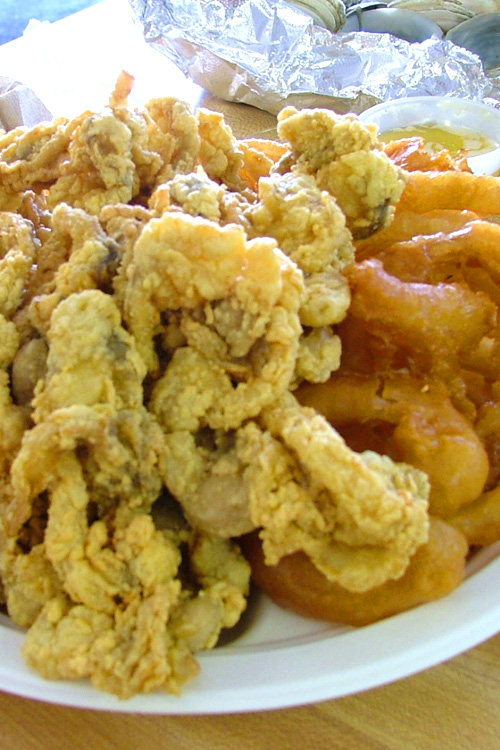
(Massachusetts North Shore Fried Clams by Karen, CC BY 2.0)
On Massachusetts’ North Shore, fried clams often mean whole-belly clams dipped in milk, dredged in cornmeal or flour, and fried until crisp outside and tender inside.
Whole-belly clams carry a deeper ocean flavor than strips, which are cut from the foot. Many locals link the dish’s rise to early 1900s roadside stands and a small shop in Essex that helped make fried clams a regular summer order.
Today, paper boats pile high with clams, lemon wedges, tartar sauce, and a side of fries. Good batches cook fast, so the clams stay soft and the crust stays light.
If you’re new to whole-belly clams, try a half-order and taste a few with just lemon to get the sweet-salty balance.
The dish feels tied to tidal flats, small boats, and the rhythm of shore towns, where harvesters work by hand, and simple frying turns fresh shellfish into a friendly snack.
4. Boston Baked Beans, Massachusetts
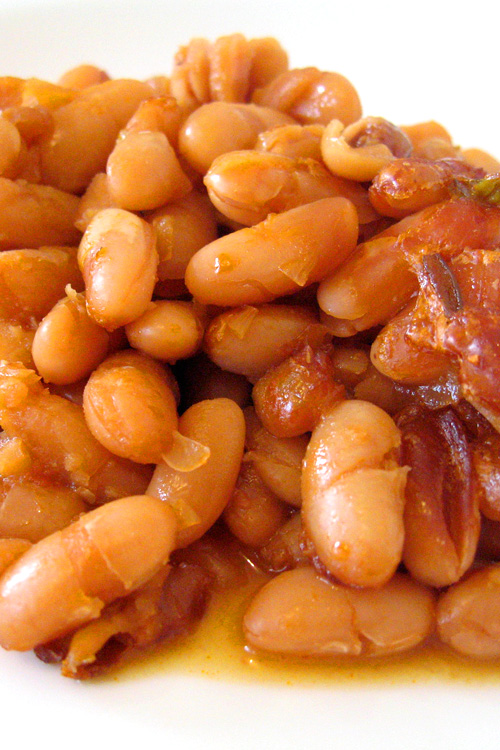
(Boston Baked Beans by Marcelo Träsel, CC BY-SA 2.0)
Boston baked beans are a Massachusetts tradition: navy or pea beans slow-cooked with molasses and salt pork. The flavor mixes sweet and savory, and the texture is soft without turning mushy.
In the 1700s and 1800s, Boston’s port brought molasses from the Caribbean, and cooks used it to sweeten and preserve. Beans were affordable and filling, so molasses-baked beans became a weekend staple.
Families often baked them overnight in covered crocks, and the city’s “Beantown” nickname reflects this long connection. Brown bread, steamed and gently sweet, often sits beside the beans for a classic plate.
A spoon of dry mustard balances the sweetness, and low, steady heat keeps the molasses from burning. You’ll still find the dish at diners, potlucks, and home tables across the state.
Boston baked beans tell you a story of trade, thrift, and patience, showing how simple pantry items turn into a steady meal.
Don’t miss: These Are the 12 Best Things to See & Do in Boston, Massachusetts
5. Rhode Island Johnnycakes
Rhode Island johnnycakes are cornmeal flatbreads cooked on a hot griddle until crisp at the edges and soft inside. They come from Indigenous foodways, especially the Narragansett people, and early settlers learned and adapted the method.
Stone-ground white cornmeal from local mills gives a distinct flavor and a coarse and pleasant bite. Some cooks use water. Others add milk and a little fat for a richer texture. Serve johnnycakes with butter and maple syrup for breakfast, or with fish and stews for a savory plate.
Texture varies by cook: thin and lacy or thicker and hearty. For more crunch, cook longer on a well-greased surface. For softer cakes, add a splash more liquid.
Johnnycakes are a simple way to taste Rhode Island’s history in everyday food, linking Native traditions and colonial kitchens to diners and home tables today. The recipe uses few ingredients, but technique and good cornmeal make the difference.
6. Maine Wild Blueberry Pie
Maine wild blueberry pie uses small, lowbush berries that pack bright flavor and color. The filling mixes berries with sugar, lemon, and some thickener like cornstarch or tapioca.
Some bakers add cinnamon or nutmeg for warmth. Wild blueberries have grown in Maine for thousands of years, and Wabanaki communities have long harvested them from barrens tended with careful burning and seasonal work.
Summer brings blueberry festivals and pie contests to coastal and inland towns. A balanced pie keeps the fruit juicy but sliceable, with just enough thickener to hold shape. An egg wash on the crust adds light shine.
Serve slightly warm with vanilla ice cream or whipped cream. Making one at home celebrates land and season, with a dessert that feels right at picnics and family tables. Maine’s wild berries give the pie a clear sense of place and a friendly, fruity taste.
You’ll also love: 12 Best Things to Do & Places to See in Maine: Your Ultimate Bucket List
7. Maine Whoopie Pies
Maine whoopie pies are hand-held desserts made with two soft chocolate cakes and a creamy filling, often marshmallow-based or buttercream.
Their origin is friendly and debated, with some pointing to Pennsylvania Dutch kitchens, but Maine bakeries helped make them a regional staple.
Shops offer classic chocolate and seasonal flavors like pumpkin or maple. The texture is what people enjoy: tender cake that bites easily, with a filling that isn’t heavy.
Wrapped pies show up in convenience stores, bake cases, and fairs, making them easy to carry. For a balanced bite at home, cool the cakes fully before filling so the center stays smooth.
A pinch of salt in the buttercream keeps sweetness in check. Whoopie pies fit lunch pails, picnics, and casual celebrations, and they reflect Maine’s playful dessert tradition. Simple ingredients, familiar flavors, and a treat that travels well…
Read also: 12 Best Small Towns to Visit in Maine for a Perfect Weekend Trip
8. Rhode Island Coffee Milk
Rhode Island coffee milk mixes coffee syrup with cold milk for a smooth, sweet drink. Local companies began bottling syrup in the 1930s, turning brewed coffee and sugar into a quick flavor add-in for diners and home kitchens.
In 1993, Rhode Island named coffee milk the official state drink, showing its everyday place in local life. Brands like Autocrat and Eclipse line store shelves, and some cafes make small-batch versions.
The taste is gentler than iced coffee and lighter than a latte, so kids and adults both enjoy it. Pour over ice for a cool treat, or stir extra syrup for more coffee flavor.
Coffee milk fits breakfast, after-school snacks, and simple desserts. It represents Rhode Island food culture, where small makers and home cooks turned a kitchen shortcut into a lasting habit.
9. Vermont Maple Syrup Treats
Vermont maple syrup treats come from a late-winter “sugaring” season. Farmers tap sugar maples, collect sap, and boil it down. About 40 gallons of sap for one gallon of syrup.
From there, cooks make maple cream, candies, and “sugar on snow,” where hot syrup hits clean packed snow and turns chewy.
Sugarhouses welcome visitors to watch evaporators run and taste different grades, which vary by color and flavor. Families pass down tapping spots and boiling techniques, and roadside buckets or plastic taps mark the season.
In the kitchen, syrup goes on pancakes and waffles, and into dressings and glazes. Maple treats feel tied to weather patterns: warm days and cold nights help sap flow.
Vermont’s syrup offers a woodsy sweetness and a clear sense of place, turning a simple tree harvest into many small and friendly desserts.
Don’t miss: Fun, Unique Adventures in Vermont: 10 Best Things to See & Do
10. Regional New England Boiled Dinner
New England boiled dinner shows up across the region, often linked with Irish-American families. Corned beef simmers until tender, then cabbage, potatoes, carrots, and turnips join the pot in stages so they cook evenly.
The broth picks up a gentle beef flavor and a light saltiness from the meat. In the 1800s, corned beef became a practical way to feed many people, and the method fit local root vegetables.
Mustard or horseradish sauce adds brightness, and leftovers often turn into next-day hash. Some cooks swap in smoked ham or brisket, adjusting the salt and timing.
The dinner reflects steady, thrifty cooking: one pot, simple steps, and ingredients you can find in markets across the region. It’s a meal meant for sharing, with bowls passed around the table and a pace that encourages sitting and talking.
Read also: Coziest Fall Getaways in New England: 10 Small Towns for a Relaxing Weekend Trip
11. Massachusetts Brown Bread
Massachusetts brown bread is moist and gently sweet, often steamed instead of baked. The batter blends cornmeal, rye, and wheat with molasses for color and flavor. Steaming, sometimes in coffee cans or molds, keeps the loaf tender.
Brown bread pairs with Boston baked beans for a classic plate. The method grew in a time when steady oven heat wasn’t always available, and steaming worked alongside long, slow bean pots.
Molasses links the bread to historic Atlantic trade that brought the ingredient into Boston. Slices are dense but soft, easy to spread with butter or cream cheese, and some recipes add raisins.
Keep the pot covered and the simmer steady for even cooking. Brown bread shows resourceful kitchens at work, turning basic grains and pantry staples into a reliable, everyday side.
12. Apple Cider Donuts
Apple cider donuts are a fall favorite at farm stands and orchards. Reduced cider in the dough adds light apple flavor and gentle acidity. Donuts fry until they’re crisp outside and soft inside, then roll through cinnamon sugar while warm.
Cool nights help local apples develop good taste, and u-pick farms often sell fresh donuts next to jugs of cold cider. Families visit during harvest weekends, making donuts part of the trip.
At home, baked versions in pans are easy, though fried donuts keep that classic texture. For more apple taste, simmer cider to concentrate before mixing. A pinch of nutmeg or clove adds a cozy note.
These donuts connect to New England’s orchard traditions and simple farmhouse baking, turning a seasonal ingredient into a friendly snack you can share on a chilly day.
Read next: 10 of America’s Best Apple Orchards and Pumpkin Patches for a Colorful Autumn