

Charlottesville, Virginia, is where history, culture, and natural beauty just kind of collide in the best way. You’ll find it at the edge of the Blue Ridge Mountains.
The city stands out for its presidential landmarks, a lively downtown, and some really scenic countryside.
Thomas Jefferson’s Monticello and the University of Virginia, both UNESCO World Heritage Sites, really show off how deep the area’s roots go in America’s story.
But it’s not all about the past. Charlottesville bursts with vineyards, orchards, art spaces, and trails that capture its creative, outdoorsy vibe.
You might find yourself strolling the Downtown Mall, tasting wine in those rolling hills, or hiking over in Shenandoah National Park. There’s something about the city’s blend of old and new that just works, especially if you like to learn, explore, or just kick back.
Plenty of welcoming inns, boutique hotels, and nearby resorts make it easy to stay close to the action. Whether you’re into architecture, food, art, or just enjoying some nature, Charlottesville feels both rich and approachable.
Here are 10 of the best things to see and do around town, each with its own story and sense of place:
Don’t miss: 10 Fun Things to Do in Northern Virginia for Scenic Views & Hidden Gems
Keep in mind: Our articles may contain errors, despite our best efforts. So, do thorough research before deciding on a travel destination.
1. Monticello

This video will be loaded from YouTube.com, a third party. If you click "Play", you accept their terms of service, and their use of cookies.
Monticello, Thomas Jefferson’s mountaintop estate, is one of Charlottesville’s most recognized landmarks and a UNESCO World Heritage Site. Jefferson designed the house himself, drawing inspiration from classical architecture and European styles he admired during his travels.
The estate reflects both his brilliance and contradictions, with innovations such as hidden dumbwaiters and skylights alongside the complex history of slavery. The gardens are filled with plants Jefferson collected from around the world, including vegetables and flowers that still grow today.
Visitors often explore exhibits that highlight the lives of the enslaved families who lived and worked here, offering a fuller picture of daily life on the plantation. Monticello also provides sweeping views of the Blue Ridge Mountains and surrounding countryside, making the setting as memorable as the history.
Nearby accommodations include Clifton Inn, a boutique stay in a historic property, and Keswick Hall, a resort offering golf, spa treatments, and fine dining. Staying close to Monticello makes it easy to enjoy the estate while also exploring Charlottesville’s rolling hills, wineries, and other presidential landmarks.
The combination of history, architecture, and natural beauty makes Monticello a centerpiece of any visit to the region.
Read also: Coziest Fall Getaways in Virginia: 10 Small Towns for an Unforgettable Weekend
2. University of Virginia

This video will be loaded from YouTube.com, a third party. If you click "Play", you accept their terms of service, and their use of cookies.
The University of Virginia, founded by Jefferson in 1819, is another UNESCO World Heritage Site. Its Rotunda and Lawn are examples of neoclassical architecture, inspired by ancient Rome.
Jefferson envisioned the university as an “academical village,” where students and professors lived and studied together. Today, the campus blends history with modern student life, and walking through the Lawn feels like stepping back in time.
The university has also been the site of important events in American history, including civil rights milestones. The Rotunda itself was modeled after the Pantheon in Rome, and its design reflects Jefferson’s belief in education as the foundation of democracy.
Visitors often enjoy the mix of historic buildings and lively student culture, with cafes and shops nearby. For accommodations, the Graduate Charlottesville offers a playful, college-inspired atmosphere, while the Boar’s Head Resort provides a peaceful retreat with golf and spa facilities.
Staying nearby makes it easy to enjoy both the historic campus and the lively town, blending Jefferson’s vision with today’s vibrant community.
Read next: 15 Best Things to Do & Places to See in Virginia: Your Ultimate Bucket List
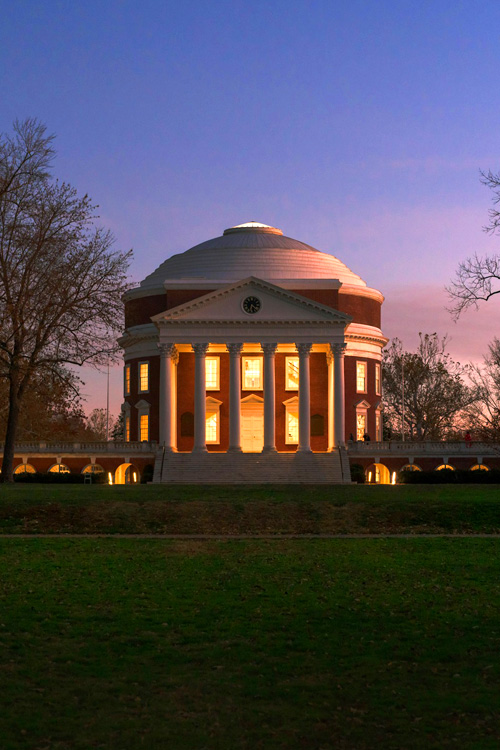
(University of Virginia, Charlottesville, Virginia, USA – Photo by Tim Thorn)
3. Highland
Highland was the home of James Monroe, the fifth U.S. president, and sits just a short drive from Monticello. The estate gives a glimpse into Monroe’s life and the early years of the nation.
The original house burned down in the 1800s, but parts of the property remain, including guest houses and gardens. Archaeological work continues to uncover more about the site, making it a place where history is still being discovered.
Monroe lived here while serving as president, and his estate reflects both personal and political history. Visitors often learn about Monroe’s role in shaping the Monroe Doctrine, which influenced U.S. foreign policy for generations.
The grounds are peaceful, with walking paths and historic structures that connect past and present. Nearby lodging includes the Oakhurst Inn, known for its cozy atmosphere, and the Albemarle Estate at Trump Winery, which offers luxury accommodations in a vineyard setting.
Staying close allows visitors to explore Highland along with other presidential landmarks in the area, making it part of a larger story of leadership and legacy in Virginia.
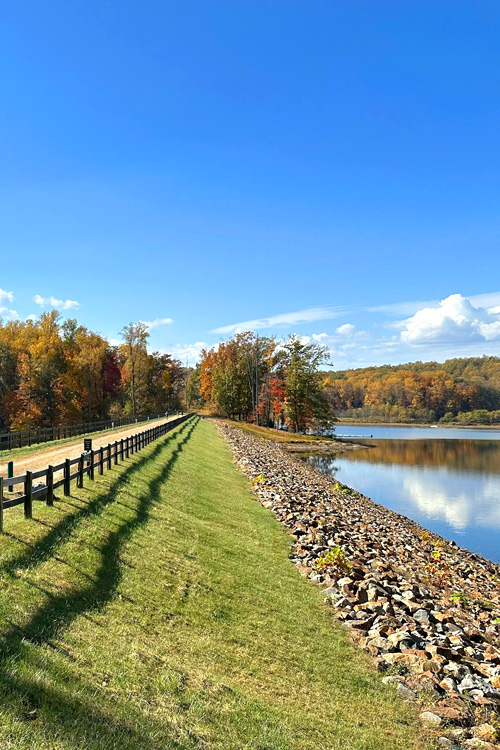
(Ragged Mountain Nature Area, Reservoir Road, Charlottesville, Virginia, USA – Photo by Saikat Bandyopadhyay)
4. Downtown Mall
Charlottesville’s Downtown Mall is one of the largest pedestrian malls in the country, stretching for several blocks with brick walkways lined by restaurants, shops, and theaters.
The Paramount Theater, built in 1931, still hosts concerts and films, adding historic charm to the area. Street performers and local art give the mall a lively atmosphere, and it is a favorite spot for both residents and visitors.
The mix of old buildings and modern businesses makes it a unique place to spend time, blending history with everyday life. The Jefferson Theater, dating back to 1912, adds another layer of cultural heritage.
Cafes spill onto the sidewalks, and galleries showcase local creativity. Hotels nearby include the Omni Charlottesville Hotel, which sits right on the mall, and boutique options like the Draftsman Hotel.
In the area, it’s easy to enjoy the mall’s energy and explore Charlottesville’s cultural scene, where history and modern life meet in a walkable, welcoming space.
5. Virginia Wine Country
Charlottesville is surrounded by vineyards that form part of Virginia’s wine country. Jefferson himself experimented with grape growing here, though his efforts were not successful.
Today, wineries such as Barboursville Vineyards and Jefferson Vineyards carry on the tradition with award-winning wines. The rolling hills and scenic views make wine tasting a relaxing experience, and many vineyards host events throughout the year.
Some estates also feature historic ruins, like the Barboursville mansion designed by Jefferson that burned in 1884. Wine country reflects both history and modern craftsmanship, with tastings that highlight local flavors.
Visitors often enjoy pairing wines with farm-to-table dining, making the experience even richer. Lodging options include vineyard stays, such as the Inn at Barboursville, or nearby resorts like Keswick Hall.
Wine country offers both relaxation and a chance to explore the region’s history and flavors, blending Jefferson’s early vision with today’s thriving wine culture.
6. Shenandoah National Park & Skyline Drive
Shenandoah National Park lies just west of Charlottesville, offering mountain views and outdoor adventures. Skyline Drive runs for 105 miles along the crest of the Blue Ridge Mountains, with overlooks that highlight valleys and ridges.
The park was established in 1935 during the New Deal era, and its creation involved both conservation and displacement of local families. Today, it is a place for hiking, birdwatching, and enjoying waterfalls like Dark Hollow Falls.
Wildlife such as black bears and deer are often spotted along trails, adding to the sense of natural wonder. The park’s history includes Civilian Conservation Corps projects that built trails and facilities still in use today.
Lodging options include Skyland Resort and Big Meadows Lodge within the park, while Charlottesville hotels provide easy access for day trips. Staying nearby makes it simple to balance city life with mountain escapes, where history, nature, and scenic drives come together in one unforgettable experience.
7. Carter Mountain Orchard
Carter Mountain Orchard is a favorite spot for seasonal fruit picking and wide views of the Blue Ridge Mountains. The orchard has been family-run for generations, and visitors enjoy apples, peaches, and cider depending on the season.
The mountaintop location makes it a popular place for sunsets and community events. History ties the land to Jefferson’s family, who once owned property nearby. Today, the orchard blends tradition with modern touches like cider tastings and live music.
Fall festivals bring families together, while summer evenings often feature concerts overlooking the hills. The orchard’s history and community spirit make it more than just a place to pick fruit.
Lodging options close to the orchard include the Clifton Inn and boutique stays in Charlottesville.
8. Michie Tavern
Michie Tavern dates back to 1784 and once served travelers along the road to Monticello. The tavern now offers colonial-style dining, with servers dressed in period clothing and traditional recipes on the menu.
The historic buildings include a general store and museum rooms that showcase life in the 18th century. The tavern was moved to its current location in the 1920s to preserve its history, and it remains a place where visitors experience both food and culture from Jefferson’s era.
Exhibits highlight daily life in colonial Virginia, from cooking methods to trade practices. The tavern’s atmosphere blends history with hospitality, making it a memorable stop.
Nearby lodging includes the Boar’s Head Resort and smaller inns in Charlottesville. Staying here allows you to enjoy the tavern along with other historic sites in the area, connecting food, history, and community in one experience.
9. IX Art Park
IX Art Park is a creative hub in Charlottesville filled with murals, sculptures, and interactive art. The park hosts festivals, concerts, and community events, making it a lively gathering place.
It began as a repurposed industrial site and has grown into a space where artists showcase their work. The colorful murals change often, so each visit feels different. The park reflects Charlottesville’s modern culture and commitment to supporting local creativity.
Events like the annual Virginia Film Festival often use the park as a venue, adding to its cultural importance. Families, students, and visitors gather here to enjoy art in an open, welcoming space.
Lodging nearby includes boutique hotels like the Draftsman and larger options such as the Omni Charlottesville Hotel.
Here it’s easy to enjoy the park’s energy and explore the surrounding downtown area, where art and community come together in vibrant ways.
10. Rivanna Trail
The Rivanna Trail circles Charlottesville with nearly 20 miles of paths that follow the Rivanna River and weave through neighborhoods, forests, and parks. The river itself has deep roots in local history, once serving as a transportation route for goods in the 18th and 19th centuries.
Today, the trail is maintained by volunteers who keep it accessible for walking, biking, and birdwatching. Wildlife such as herons, turtles, and deer are often spotted along the riverbanks, making it a peaceful escape within the city.
The trail connects several historic sites, including old mills and bridges, offering glimpses of Charlottesville’s past alongside its natural beauty. Community events and group hikes are sometimes organized, reflecting the trail’s role as both recreation and civic pride.
For those planning an overnight stay, hotels like the Graduate Charlottesville and boutique inns downtown provide easy access to trailheads.
The Rivanna Trail blends history, nature, and community spirit, giving visitors a chance to enjoy the outdoors while staying close to the city’s cultural attractions.
Its mix of scenery and heritage makes it a meaningful way to experience Charlottesville beyond the usual landmarks.
Read next: Where to Go in the USA: 13 Destination Ideas Month by Month (+ Cheat Sheet)