

Planning a trip can be exciting, but figuring out when to go can make all the difference.
The United States is huge, with every month offering something special, from mountain adventures to sunny beach escapes, festivals, and breathtaking natural wonders.
In this month‑by‑month guide, I’ll take you through the best places to visit across the country, showing you exactly why each destination shines at that time of year.
Whether you’re chasing winter snow, spring flowers, summer coastlines, or autumn leaves, you’ll find ideas here to match your calendar and your travel style.
Along the way, you’ll also discover interesting facts about each place: the kind of details that make a trip even more memorable.
So grab your travel wishlist and let’s explore the USA, one month at a time! Let’s get started:
Don’t miss: 12 U.S. Small Towns that Turn into Storybooks Every Fall
Keep in mind: Our articles may contain errors, despite our best efforts. So, do thorough research before deciding on a travel destination.
Year‑Round USA Travel Cheat Sheet: 13 Destination Ideas
(Click to open image in full-size.)

Exploring Each Destination in Detail
January: Aspen, Colorado

This video will be loaded from YouTube.com, a third party. If you click "Play", you accept their terms of service, and their use of cookies.
Aspen is a mountain town in Colorado known for its world-class ski slopes and snowy scenery. In January, the snow is deep and the air is crisp, making it perfect for skiing, snowboarding, and cozy evenings by the fire.
The town also has great restaurants and winter events, so there’s plenty to enjoy after a day on the slopes. The surrounding mountains create a postcard-like view in every direction.
January is also less crowded than the holiday season, so you can enjoy the trails with fewer people.
An interesting fact: Aspen was once a silver mining town in the late 1800s before it became famous for winter sports. Today, it’s a mix of outdoor adventure and high-end style, attracting visitors from all over the world.
Read also: 15 Cute, Small Mountain Towns in Colorado for Your Next Travel Adventure
January: Key West, Florida

This video will be loaded from YouTube.com, a third party. If you click "Play", you accept their terms of service, and their use of cookies.
Key West is the southernmost city in the continental United States, known for its tropical weather and colorful streets.
In January, the temperatures are warm but not too hot, making it a great escape from the winter cold. You can enjoy the beaches, try fresh seafood, and explore the island’s historic sites.
The sunsets here are famous, and many people gather each evening to watch the sky change colors over the water. January is also part of the dry season, so you’re likely to have sunny days.
Key West is only about 90 miles from Cuba, and its culture reflects influences from the Caribbean. The island has inspired many artists and writers, including Ernest Hemingway, who lived here for nearly a decade.
Read next: 8 Best Things to Do in Florida for an Unforgettable Adventure
February: Sedona, Arizona
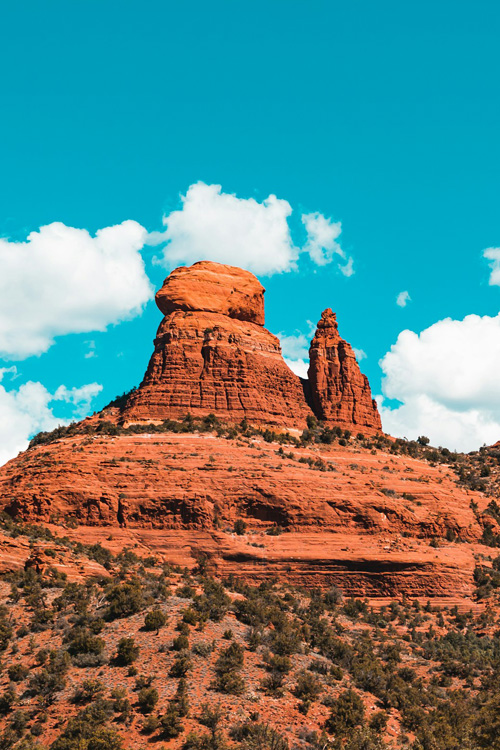
(Sedona, AZ, USA – Photo by Anthony Melone)
Sedona is surrounded by striking red rock formations that glow in the sunlight. February is a great time to visit because the weather is cool and comfortable for hiking and exploring.
Trails lead to scenic overlooks, natural arches, and quiet desert landscapes. The area is also known for its art galleries and local markets.
In February, you can enjoy the outdoors without the intense summer heat, and the smaller crowds make it easier to explore.
Interesting fact: Sedona is famous for its “energy vortexes,” which some people believe are special places that promote relaxation and creativity. Whether or not you believe in that, the scenery alone is worth the trip!
Must read: 10 American Towns that Feel like Europe, Without the Jet Lag
March: Washington, D.C.
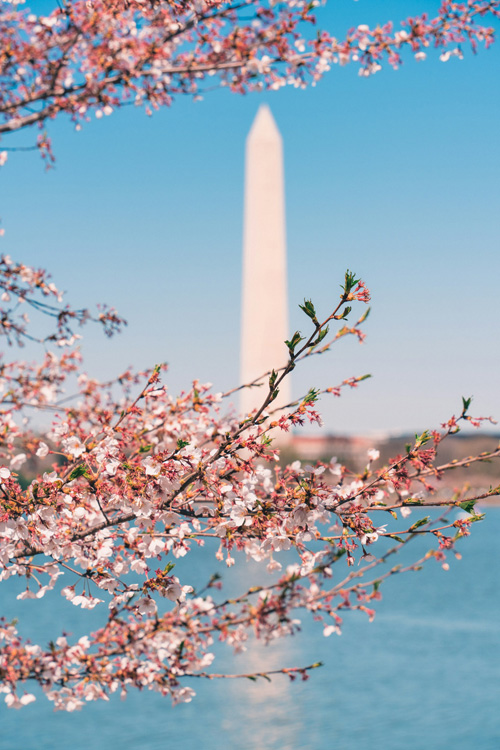
(Washington D.C., USA – Photo by Yifu Wu)
Washington, D.C. is the capital of the United States and home to many important monuments and museums. In March, the city’s cherry blossoms begin to bloom, creating a soft pink canopy around the Tidal Basin.
The National Cherry Blossom Festival celebrates this event with parades, performances, and cultural activities. The weather is mild, making it pleasant to walk between landmarks like the Lincoln Memorial, the U.S. Capitol, and the Smithsonian museums.
Fun fact: The cherry trees were a gift from Japan in 1912 as a symbol of friendship between the two nations. Today, they attract visitors from all over the world each spring.
Don’t miss: 30+ Cherry Blossom Pics from Around the World: Wallpapers, Destination Ideas, Inspiration
April: New Orleans, Louisiana
New Orleans is famous for its music, food, and unique architecture. In April, the city hosts the New Orleans Jazz & Heritage Festival, which brings together musicians from many genres.
The weather is warm but not yet humid, making it comfortable to explore the French Quarter, enjoy outdoor concerts, and try local dishes like gumbo and beignets.
Street performers and artists add to the city’s energy. An interesting fact: New Orleans is considered the birthplace of jazz, and you can still hear live performances in clubs and on street corners almost every night.
May: Charleston, South Carolina
Charleston is a coastal city known for its historic buildings, stone streets, and waterfront views. In May, the weather is sunny and pleasant, and the city’s gardens are full of colorful flowers.
You can take a carriage ride through the historic district, visit plantations, or relax by the nearby beaches. May is also a great time for food festivals and outdoor markets.
An interesting fact: Charleston’s historic district has one of the largest collections of preserved 18th-century homes in the United States, giving visitors a view into the past.
June: Yellowstone National Park
Yellowstone spans Wyoming, Montana, and Idaho and is famous for its geysers, hot springs, and wildlife. In June, the park is fully open after winter, and the weather is mild enough for hiking and exploring.
You might see bison, elk, or even bears in the valleys. The rivers run high from melting snow, and the meadows are green with wildflowers.
Fun fact: Yellowstone was the first national park in the United States, established in 1872, and it still protects one of the largest collections of geothermal features in the world.
July: San Diego, California
San Diego is a coastal city with beautiful beaches, a large harbor, and year-round pleasant weather. In July, the city comes alive, especially for the 4th of July, outdoor concerts, and summer festivals.
The ocean is warm enough for swimming, surfing, and sailing. You can also visit attractions like Balboa Park, the San Diego Zoo, and the historic Old Town.
An interesting fact: San Diego has more than 70 miles of coastline, offering plenty of space to enjoy the Pacific Ocean.
Don’t miss: 17 Cute, Small Towns in California (USA) You Have to See
August: Alaska (Anchorage & Denali)
August is one of the best months to visit Alaska because the days are long, the weather is mild, and the wildlife is active.
In Anchorage, you can enjoy local markets, museums, and coastal trails. A trip to Denali National Park offers views of North America’s tallest mountain and the chance to see moose, caribou, and grizzly bears.
The wildflowers are still in bloom, and the rivers are full from summer rain. A fun fact: Denali’s peak is 20,310 feet tall, making it the highest mountain on the continent.
September: Napa Valley, California
Napa Valley is one of the most famous wine regions in the world. In September, the grape harvest is in full swing, and the valley is busy with festivals and events.
The weather is warm during the day and cooler at night, perfect for exploring vineyards and enjoying outdoor dining. Rolling hills and rows of grapevines create a beautiful landscape.
Napa Valley produces only about 4% of California’s wine, but it is known for its high quality and award-winning varieties.
October: Vermont
Vermont is known for its stunning fall foliage. In October, the hills and forests turn shades of red, orange, and gold. Small towns host harvest festivals, and local farms offer apple picking and pumpkin patches.
The crisp air makes it a great time for hiking or scenic drives.
An interesting fact: Vermont has more than 100 covered bridges, many of which date back to the 19th century, adding to the state’s picturesque scenery.
November: Santa Fe, New Mexico
Santa Fe is known for its art scene, adobe buildings, and desert landscapes. In November, the weather is cool and clear, perfect for exploring galleries, museums, and nearby hiking trails.
The city’s markets are full of handmade crafts, pottery, and jewelry. The sunsets are especially colorful this time of year.
Interesting fact: Santa Fe is the oldest state capital in the United States, founded in 1610, and its historic plaza is still a gathering place for locals and visitors.
December: New York City, New York
New York City in December is full of holiday lights, decorated shop windows, and festive events. You can ice skate at Rockefeller Center, see the famous Christmas tree, and visit holiday markets.
Broadway shows, museums, and world-class restaurants offer plenty to do indoors as well.
Fun fact: The New Year’s Eve ball drop in Times Square has been a tradition since 1907, attracting crowds from around the world to welcome the new year.
Read next: Christmas in New York: 12 Best Things to See & Do for a Perfect Holiday