
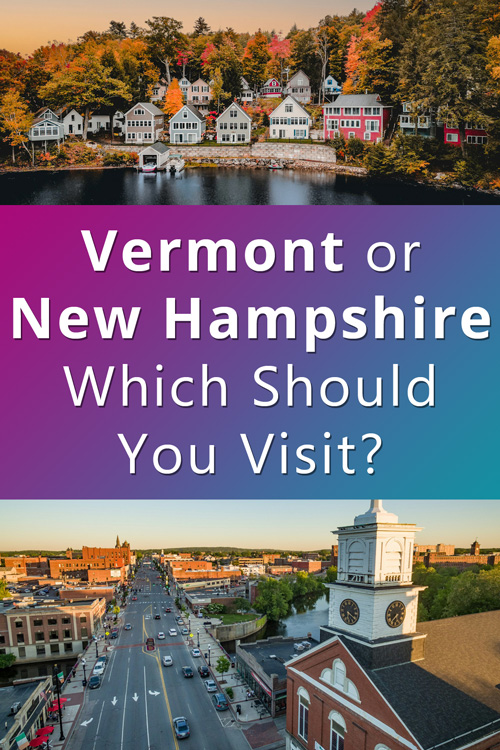
If you’re trying to plan a New England trip but are stuck between Vermont and New Hampshire, this article is for you.
Both states have amazing mountain views, inviting small towns, and that unmistakable New England feel, so, yeah, it’s a tough call.
As a start, Vermont is more upscale and refined, with rolling farmland and gorgeous scenery. New Hampshire is all about rugged mountain adventures and outdoor thrills.
Vermont feels polished, famous for covered bridges and cute villages. New Hampshire? It has that authentic cabin-in-the-woods vibe, taller peaks, and some pretty epic hikes.
So, are you into Vermont’s peaceful countryside and cozy B&Bs, or do New Hampshire’s White Mountains and adrenaline activities call your name?
But let’s explore them in more detail!
Don’t miss: Fun, Unique Adventures in Vermont: 10 Best Things to See & Do
Keep in mind: Our articles may contain errors, despite our best efforts. So, do thorough research before deciding on a travel destination.
1. Vermont or New Hampshire? These Are the Main Differences You Should Know
Landscape & Scenery Comparison

This video will be loaded from YouTube.com, a third party. If you click "Play", you accept their terms of service, and their use of cookies.
Vermont’s got rolling farmland, red barns, and scenes that could be on a postcard. The Green Mountains run through, but they’re gentler than New Hampshire’s peaks.
Landscapes feel more manicured in Vermont. There’s a certain polish, like, you know you’re in New England.
New Hampshire has the White Mountains, and they’re wilder, more alpine. It’s a totally different energy.
If you want that cabin-in-the-woods feeling, New Hampshire delivers. The terrain is steeper and a bit more dramatic, especially near Mount Washington.
The White Mountains have rockier peaks and tucked-away alpine lakes. Granite outcrops are everywhere.
In Vermont, the scenery is all about small villages and farmland. New Hampshire’s focus is on wilderness and recreation in the mountains.
Read also: 12 Top Things to See & Do in New Hampshire: Can’t-Miss Ideas
Fall Foliage
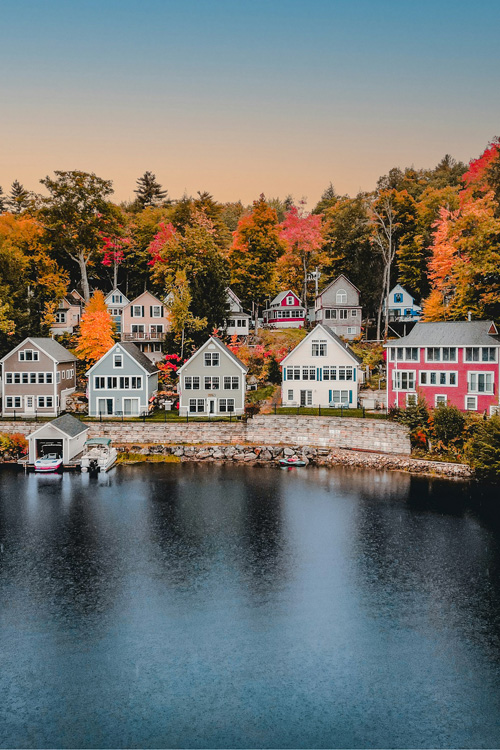
(Fall Foliage, Lake Winnipesaukee, Alton Bay, Alton, New Hampshire, USA – Photo by Jonathan Ng)
Both states bring their A-game with fall colors. There’s not really a clear winner, but the timing and best spots do vary.
New Hampshire’s White Mountains usually hit peak color earlier. High elevations start turning in late September.
Mount Washington tops out at 6,288 feet, the highest in New England. You can take the Cannon Mountain Tramway or Mount Washington Cog Railway for unreal views.
Vermont’s fall foliage peaks a bit later. The Green Mountains and valleys are at their best in early October.
Route 100 is Vermont’s legendary fall foliage drive. It winds through small towns and farmland. Super scenic!
Lake Champlain brings water views to Vermont’s autumn. New Hampshire has Lake Winnipesaukee and a bunch of smaller lakes for leaf-peeping, too.
Must read: Coziest Fall Getaways in New England: 10 Small Towns for a Relaxing Weekend Trip
Location, Access, and Proximity to Boston
Both states are about 2 to 2.5 hours from Boston by car, give or take. Where you’re headed in each state will shift that a bit.
Boston Logan Airport is the main entry point for international flights. For regional flights, there’s Manchester, New Hampshire, and Burlington, Vermont.
New Hampshire’s Manchester airport is closer to the White Mountains than Burlington is to central Vermont. That’s handy if you’re short on time.
You can absolutely visit both states in one trip. Stowe or Woodstock in Vermont are just 1.5-2 hours from Franconia, New Hampshire.
Interstates make it easy. I-93 heads into New Hampshire’s mountains; I-89 gets you to central Vermont.
The border is shared, so day trips between the two are no big deal. You could base yourself in one spot and explore both.
Read also: 10 Best Small Towns in Vermont for a Scenic Weekend Trip
2. Outdoor Adventures If You Love Nature Experiences
Hiking and Scenic Trails
The White Mountains in New Hampshire are legendary for tough, rewarding hikes. Mount Washington is the big one at 6,288 feet. You can drive or hike up, depending on your mood (and energy).
Cannon Mountain is another good one. Steep, rocky, and a real workout. Lincoln’s a great base if you want trail options.
Artist’s Bluff is a short hike with big views over Echo Lake. It’s got some rock scrambling and roots, so bring real boots.
Vermont’s hikes are more mellow with rolling hills, farmland, and the Green Mountains. The elevation isn’t as intense.
Stowe and Woodstock have easy-to-follow trails through woods and meadows. Great for families or anyone who just wants a nice walk.
Read next: 10 Best Towns to Visit in New Hampshire for an Authentic New England Experience
Skiing and Other Winter Activities

This video will be loaded from YouTube.com, a third party. If you click "Play", you accept their terms of service, and their use of cookies.
Vermont is king for ski resorts and snow quality. Stowe Mountain Resort is a top pick on the East Coast, with runs for all levels.
Killington keeps the lifts spinning the longest. Tons of trails, and they’re pros at making snow if nature doesn’t cooperate.
New Hampshire has solid skiing, but not as many big resorts. Cannon Mountain is state-run, so it’s a bit easier on the wallet.
Both states have great cross-country skiing. Vermont’s farmland is perfect for Nordic trails.
Snowshoeing is popular, too. New Hampshire’s White Mountains are better if you want a challenge in winter.
You’ll also like: 12 Best Small Towns to Visit in Maine for a Perfect Weekend Trip
Lakes, Rivers, and Water Activities
Vermont’s Lake Champlain is huge for recreation. Sailing, kayaking, fishing, you name it. The lake runs over 100 miles long.
Summer brings swimming beaches and island camping. It’s a whole vibe.
New Hampshire has lots of smaller lakes in the White Mountains. Echo Lake near North Conway is a favorite.
Rivers in both states are great for kayaking and canoeing. The Connecticut River is the border between them.
Vermont’s rivers are calmer, so they’re better for beginners. New Hampshire’s streams can be fast and a bit wild.
Read also: 10 Cute, Small Towns to Visit in Massachusetts, Perfect for a Road Trip
Wildlife and Forest Adventures
Moose are in both states, but show up more in New Hampshire’s thick forests. Early or late in the day is your best chance at spotting one.
The Kancamagus Highway in New Hampshire goes right through protected forests. You might see moose, black bears, or all kinds of birds.
Vermont’s mix of farmland and woods attracts white-tailed deer, wild turkeys, and small critters.
Both states have miles of forest trails. New Hampshire’s woods are thicker, with more old-growth areas.
Vermont’s forests blend into farmland, so you get a different mix of wildlife. Sugar maples are everywhere. Especially beautiful when the leaves turn.
Read next: 10 Best Small Towns in Pennsylvania You’ll Want to Visit Again and Again
3. Local Charm: Small Towns, Culture, and Good Food
Small Towns and Community Vibe

(Nashua, New Hampshire, USA – Photo by Seth Dewey)
Vermont’s towns look like they belong on a calendar. Woodstock is classic: covered bridge, historic homes, a village green you’ll want to hang out on. Local shops and cafes make it feel super welcoming.
Manchester has a more upscale feel, with designer outlets next to old brick buildings. Mountain views, good restaurants, and a nice balance of old and new.
New Hampshire’s take on small-town life is different. Portsmouth brings coastal charm: brick streets, harbor views, and seafood joints everywhere. There’s a real sense of history and connection to the water.
New Castle is tiny and on an island. You can walk the whole thing in under an hour, and the ocean is always in sight.
Both states are big on community. Vermont towns revolve around local farms and crafts. In New Hampshire, it’s a mix of outdoor fun and either mountain or coastal living.
You’ll also love: 10 American Towns that Feel like Europe, Without the Jet Lag
Scenic Drives and Road Trips
The Kancamagus Highway in New Hampshire is one of the best scenic drives in the U.S. It’s 34 miles of waterfalls, hiking trailheads, and mountain views.
Franconia Notch is another wow-worthy drive. You’ll see Flume Gorge and maybe take the tramway up for big views.
Vermont’s Route 100 cuts through the heart of the state. It links up cute villages and gives you mountain and farm views the whole way. Covered bridges and maple farms are part of the scenery.
Quechee Gorge is Vermont’s most dramatic roadside stop. It’s a 165-foot deep mini-canyon you can see right from the road.
Both states are great for a New England road trip. You can hit Vermont’s gentle hills and New Hampshire’s wild peaks in one go.
Don’t miss: 12 U.S. Small Towns that Turn into Storybooks Every Fall
Local Flavors
Maple syrup is Vermont’s pride. March and April are sugaring season: you can visit a sugarhouse, try the syrup, maybe buy a jug or two. Some places offer tastings and let you see the whole process.
Vermont also does craft beer and cheese really well. Local creameries make serious cheddar and all sorts of specialty cheeses.
New Hampshire’s coast means you get fresh seafood. Portsmouth and other towns serve up lobster rolls, chowder, and fried clams that are hard to beat.
Apple orchards and cider mills are everywhere in the fall. Grab a cider donut, pick your own apples, and try the fresh cider.
Both states love farm-to-table restaurants. Local ingredients make everything taste better, from bread to veggies.
Must read: 10 of America’s Best Apple Orchards and Pumpkin Patches for a Colorful Autumn
4. Planning Your Trip: Lodging, Camping, and Practical Tips
Both states have plenty of places to stay, from luxury resorts to rustic cabins, you name it. Camping and fishing are big, too. The best time to visit? Depends if you want foliage, summer fun, or winter sports.
Lodging Options and Styles
New Hampshire has mountain lodges and ski resorts in the White Mountains. Lincoln’s got chain hotels and cozy B&Bs like Wilderness Inn. Conway is a good base for drives and hikes.
You’ll find cabins by rivers and modern retreats. Lots of pet-friendly spots, plus fast wifi if you need to work remotely.
Vermont is all about farm stays and historic inns. Stowe has fancy resorts and classic B&Bs. Woodstock is the place for that colonial inn vibe.
Airbnb is everywhere: tiny homes, big rentals, take your pick. Book early for peak foliage or ski season, though.
Popular mountain towns fill up fast. Sometimes staying just outside the main area gets you better rates and more options.
Read also: The 12 Most Charming Mountain Towns in the USA: Must-Visit Destinations
Camping, Fishing, and Outdoor Stays
State Parks in both states are great for camping. New Hampshire’s White Mountain National Forest has campgrounds right by hiking trails. Vermont’s parks have lakeside camping and mountain views.
Fishing is solid in both places. New Hampshire has trout streams and mountain lakes. Vermont’s got fly fishing and bass in Lake Champlain.
Glamping is a thing, too. A-frame tents, safari tents, full amenities. Lumen Nature Retreat in New Hampshire is a cool spot by the river.
There’s RV camping at most state parks. Private campgrounds usually have showers and camp stores if you want a few more comforts.
Book campsites months ahead for summer and fall. And don’t forget your fishing license if you’re coming for spring fishing.
Read also: Where to Go in the USA: 13 Destination Ideas Month by Month (+ Cheat Sheet)
When to Visit and How to Choose
The fall foliage season usually runs from late September through mid-October. The exact peak? That depends on elevation and whatever weather’s rolled in lately.
Higher elevations always change first. Valleys take their time and follow a bit later.
Summer is prime time for hiking, camping, and fishing. Lakes actually warm up enough for a swim, and mountain trails open up completely.
Winter means skiing. Some of the best in both states. New Hampshire’s known for its alpine terrain, while Vermont offers winter village charm.
Before you go, check foliage trackers for real-time updates. If you’re traveling during peak, try booking flexible or refundable places to stay, just in case plans shift.
Traffic spikes around foliage season, especially near Stowe. You’ll want to tack on extra travel time, or maybe opt for a weekday visit if you can.
Arrive early at those popular spots. Or seek out the less-crowded corners. You might stumble onto something even better!
Read next: Visiting 10 Cute Small Towns in Connecticut: Destinations You’ll Fall in Love With