
Planning a trip to the land of pasta, paintings, and sunny piazzas?
Before you pack your bags, learn these 9 mistakes to avoid in Italy. Skipping this advice can cost extra euros, waste your time, or leave you feeling awkward in some situations.
Read on, dodge the pitfalls, and enjoy more gelato, smoother train rides, and brighter memories. Let’s begin!
Here are the 9 Mistakes to Avoid in Italy
1. Assuming every restaurant stays open all day
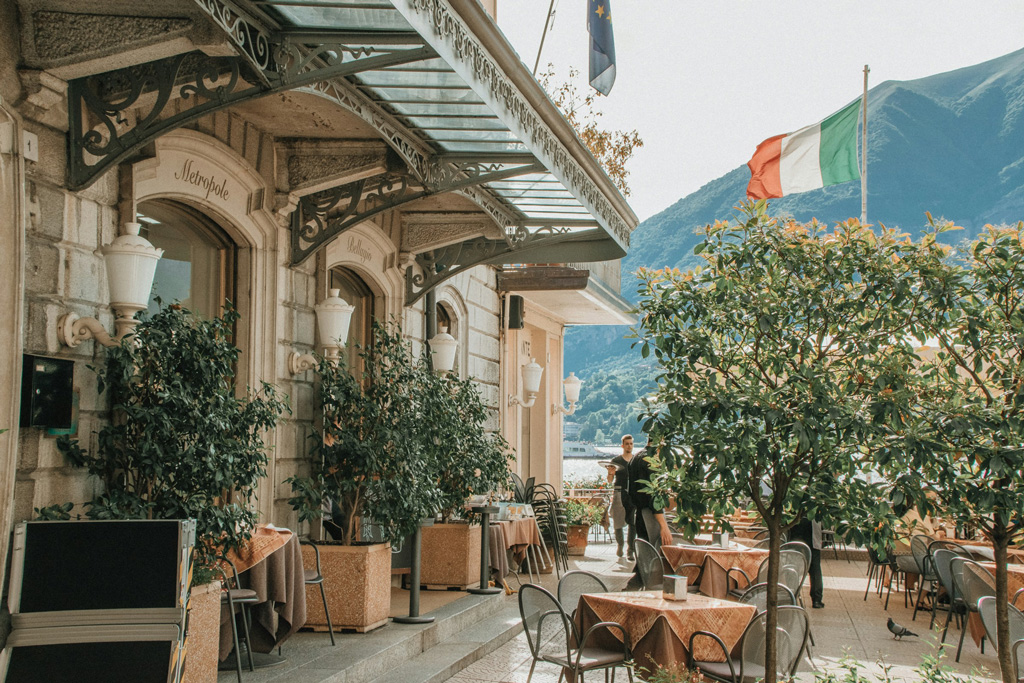
(Bellagio, Lake Como, Italy – Photo by Fallon Travels)
Many travelers think they can grab food whenever hunger strikes, but in Italy most restaurants follow strict meal times.
Lunch is often served from about 12:30 p.m. to 2:30 p.m., after which the kitchen shuts until dinner, which usually begins around 7:30 p.m.
In smaller towns, some spots even close for an entire day each week, often on Monday or Tuesday. If you show up outside these hours, you might only find a bar with light snacks.
Check opening times online or ask a local, so you don’t end up searching for a meal with an empty stomach.
2. Dressing casually when entering churches or other sacred sites
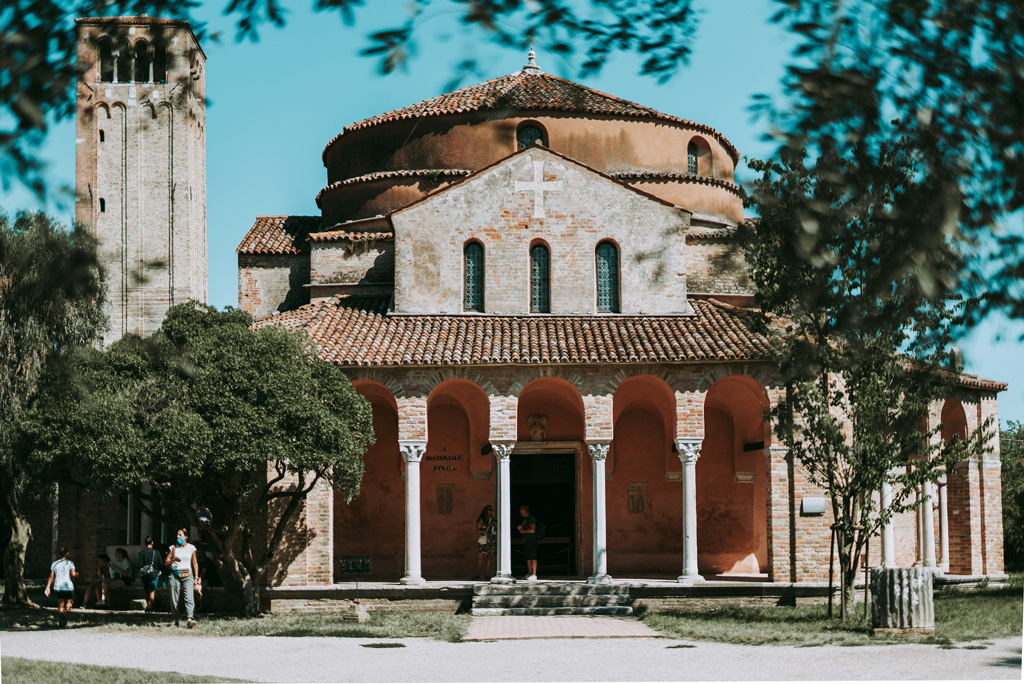
(Torcello, Venice, Italy – Photo by Marialaura Gionfriddo)
Many churches and other holy places in Italy still hold daily services, so they require modest clothing.
If you arrive in shorts, low-cut tops, or sleeveless shirts, attendants may stop you at the door and hand you disposable paper covers, or simply send you away.
Shoulders and knees should stay covered for everyone, and hats come off inside. A light scarf, long skirt, or thin pair of trousers in your daypack solves the problem fast.
Dressing with respect helps you enter without delays and shows care for the culture you came to see.
Don’t miss: 25 Most Beautiful Churches in Italy: Aesthetic Photos & Interesting Facts
3. Expecting everyone you meet to speak fluent English
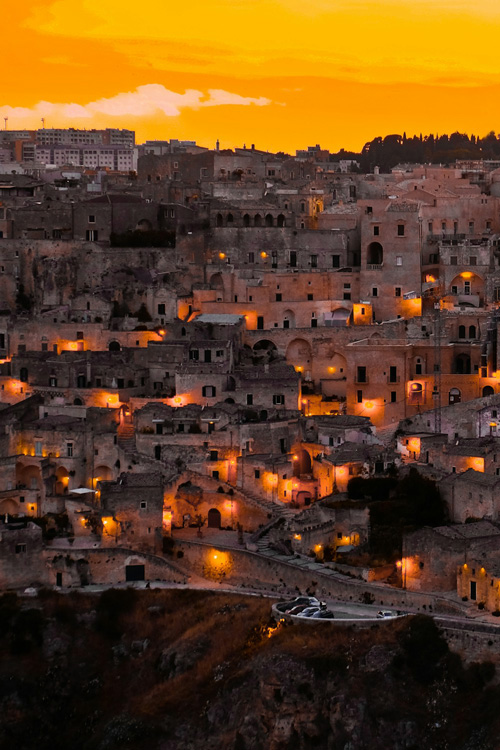
(Matera, Italy – Photo by Daniele Levis Pelusi)
Many Italians working in major museums or hotels know some English, but cashiers, bus drivers, and residents of small towns often do not.
If you count only on English, you may have trouble reading menus, buying train tickets, or asking simple questions.
Learn a handful of key phrases such as “per favore,” “grazie,” and “dov’è il bagno?”
Keep a translation app that works offline or a pocket phrase book as backup. Speak slowly, use plain words, and smile. Most people will try to help when they see you making an effort.
A little Italian goes a long way and saves time and stress.
4. Hauling oversized rolling suitcases across narrow cobblestone streets
Big suitcases with hard wheels shake loudly and get stuck between the old stone blocks that cover many Italian streets.
You will have to pull hard, lift the bag often, and maybe even scratch its surface. Crowded sidewalks make the task tougher, and you may bump into parked scooters or people enjoying a coffee outside.
Train stations and small hotels often have stairs instead of elevators, turning each step into a workout.
Bring a smaller, lighter bag or use a sturdy backpack so you can walk faster, climb steps with ease, and avoid angry looks from locals as your suitcase rattles behind you.
5. Limiting your trip to the “big three”: Rome, Florence, and Venice
Focusing only on Rome, Florence, and Venice shows you the highlights but hides the rest of the country. Each region has its own food, accent, and history, from the white-washed towns in Puglia to the snow-capped peaks of the Dolomites.
Smaller cities like Bologna, Lecce, or Verona are easy to reach by train and cost less for hotels and meals.
You will stand in shorter lines, hear more Italian spoken around you, and taste dishes that never appear on menus in the big three.
Add at least one extra stop to your plan so you can get a fuller picture of what Italy is really like.
Must read: 10 Must-See Historical Places in Italy for Your Next Destination
6. Paying top euro to eat at restaurants right next to famous landmarks
The pizza and pasta spots that sit a few steps from the Colosseum or the Leaning Tower often charge double for food that tastes half as good.
High rent and a constant flow of tourists push owners to cut corners: reheated meals, small portions, and extra fees for bread or sitting outside.
Walk just five to ten minutes down a side street and prices drop, menus grow, and cooks care more about repeat customers than quick cash.
Checking online reviews or using a simple rule, if you can see a major monument from your seat, keep walking, will save money and lead to tastier plates.
7. Skipping cash and relying entirely on credit or debit cards
Many small cafés, street markets, and family-run guesthouses in Italy still accept only cash, and even spots that take cards may have broken machines or set minimum charges.
Carry a mix of bills and coins so you can buy a bus ticket, pay for gelato, or leave a quick tip without stress.
ATMs exist in most towns, but some charge high fees or run empty during holidays, so withdraw enough ahead of time and store it in two different pockets.
Having a few euros on hand keeps your day moving smoothly and prevents awkward moments at the register.
8. Ordering a cappuccino with dinner
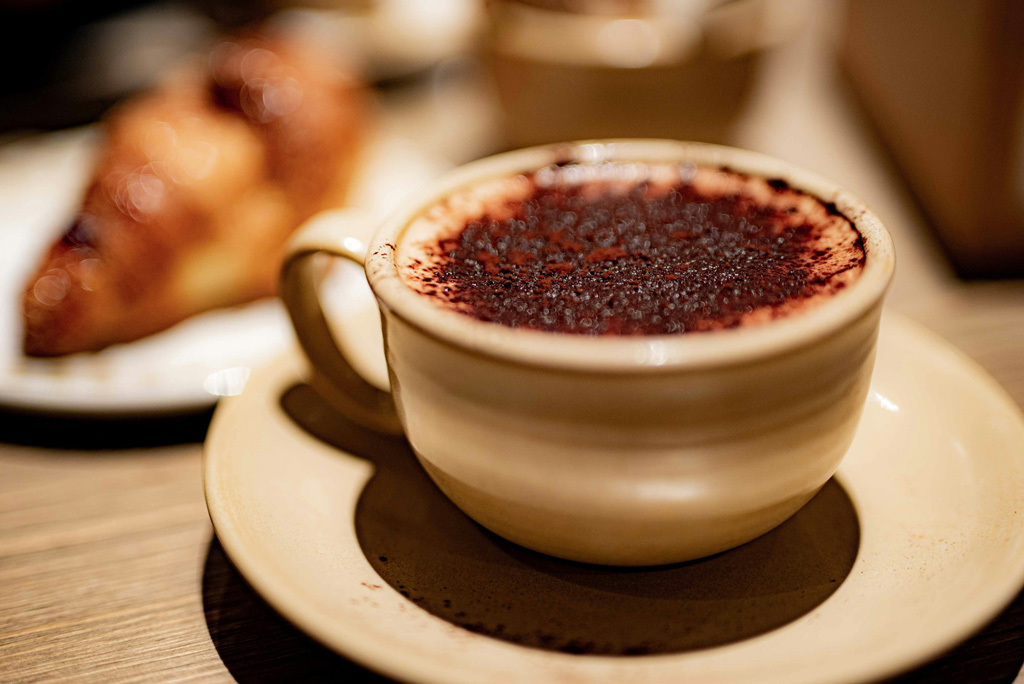
(Italian breakfast with cappuccino – Photo by laura adai)
Asking for a cappuccino with dinner can earn puzzled looks because Italians treat it as a morning drink. The warm milk feels too heavy after a full meal.
Most people here switch to a simple espresso or a small macchiato once the clock passes about 11 a.m.
If you insist on frothy milk late at night, some cafés may refuse or charge extra since they have already cleaned the steam wand.
Follow the local habit: end dinner with a short espresso while standing at the bar and you will blend in easily with everyone else.
9. Surviving on pizza alone instead of exploring regional dishes
Filling up on pizza day after day means missing the food traditions that set each region apart.
In Emilia-Romagna cooks roll silky egg pasta for tagliatelle al ragù. In Sicily they fry rice balls called arancini.
In Tuscany a thick bean soup named ribollita shows up when evenings get cool. In Liguria basil pesto covers short noodles shaped like tiny twists.
Menus also change with the season, so ask the server what the town is proud of or watch for a chalkboard special.
Split plates with a friend or order half portions to taste more without wasting money. Exploring such dishes turns every meal into a short lesson about the place you are visiting.
Read next:
15 Mistakes to Avoid on Your Sicily Travel Adventure
Amalfi Coast Map + Best Towns to Visit (Printable Illustrations)