
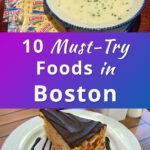

Boston, Massachusetts, is a city where food has a story shaped by history, culture, and the sea. You’ll find everything from hearty comfort dishes to fresh seafood, each bite representing New England life in some way.
Immigrants brought their own traditions. The nearby ocean keeps supplying clams and lobster, giving local cooks the building blocks for recipes that stick around.
Strolling through Boston, you can taste baked beans that remind colonial trade routes. There’s chowder for cold winters, and cannoli that show off the Italian side of the North End.
Ballpark snacks like Fenway Franks tie food to the city’s sports obsession. Boston Cream Pie? Somehow, a hotel dessert turned into a state icon.
All these dishes really show off Boston’s knack for mixing simple ingredients, long-standing traditions, and a certain pride that’s hard to miss.
If you’re visiting or just rediscovering your own city, trying these foods is a chance to bite into Boston’s past and present.
Here’s a look at 10 dishes that really capture Boston’s flavor and spirit. Each one has its own story, and they’re worth a try:
Don’t miss: 12 Must-Try Foods in New England for Your Bucket List
Keep in mind: Our articles may contain errors, despite our best efforts. So, do thorough research before deciding on a travel destination.
1. Boston Baked Beans

This video will be loaded from YouTube.com, a third party. If you click "Play", you accept their terms of service, and their use of cookies.
Boston baked beans are a slow-cooked dish made with navy beans, salt pork, and molasses. The beans cook for hours, which makes them tender and gives them a deep, slightly sweet taste. People often enjoy them with brown bread, a dense loaf traditionally made with rye and molasses.
The dish has roots in early New England cooking and trade. In colonial times, molasses became common in Boston because ships brought it from the Caribbean as part of the rum trade. Many households cooked beans on Saturdays, since it was easy and could be left to simmer while doing other chores.
Some families kept the tradition of serving beans on Sunday too. Boston’s nickname “Beantown” comes from this long connection to the dish. Today, you can find baked beans at cookouts, barbecues, and diners across the city.
Some versions add onions or mustard for extra flavor. Others use maple syrup instead of molasses. However you make them, baked beans offer a warm and homey taste that reflects Boston’s history and comfort food style.
Read also: These Are the 12 Best Things to See & Do in Boston, Massachusetts
2. Lobster Roll

This video will be loaded from YouTube.com, a third party. If you click "Play", you accept their terms of service, and their use of cookies.
The lobster roll is a simple sandwich that lets sweet lobster shine. It usually comes in a split-top hot dog bun, lightly buttered and toasted. There are two common styles.
The Maine style uses cold lobster mixed with a little mayo, celery, and lemon. The Connecticut style serves warm lobster tossed in melted butter, without mayo.
In Boston, you will see both versions, often with fresh meat from claw and knuckle. The split-top bun helps hold the meat and gives a soft bite with a crisp edge.
Lobster rolls became popular in New England during the 20th century when roadside stands and shoreside shacks started serving them. Many people enjoy them with chips or coleslaw. Some places load the roll generously, while others keep it modest.
You might also find variations with herbs, a hint of Old Bay, or a squeeze of lemon. Whether warm or cold, the appeal is simple: tender lobster, a light dressing, and a toasted bun that does not overpower the seafood.
Read next: 10 Cute, Small Towns to Visit in Massachusetts, Perfect for a Weekend Trip
3. New England Clam Chowder

(New England Clam Chowder by Red Lobster Lover Joe, Public Domain Mark)
New England clam chowder is a creamy soup made with clams, potatoes, onions, and often salt pork or bacon. The broth is milk or cream-based, which gives it a smooth texture and a pale color. Many bowls are thickened with a butter-flour roux or the starch from potatoes.
Oyster crackers on top add crunch and help soak up the broth. The chowder likely grew from simple sailor and coastal cooking, using easy-to-store ingredients and the local clam harvest.
Bostonians have long preferred the creamy style, not the tomato-based Manhattan version. In fact, there was once a playful “chowder discussion” in New England over tomatoes in chowder, and some towns joked about bans on adding them.
Clam chowder shows up in winter as a warm, filling meal and in summer as a seaside staple. Some cooks add thyme or bay leaf, while others keep seasoning light to highlight the clams.
Over time, restaurants have put their spin on it, but the heart of the dish stays the same: clams, potatoes, and a gentle cream base that feels familiar.
Must read: Coziest Fall Getaways in New England: 10 Small Towns for a Relaxing Weekend Trip
4. Boston Cream Pie

(Boston Cream Pie by Francisco Seoane Perez, CC BY 2.0)
Boston Cream Pie is not exactly a pie. It is a yellow butter cake filled with vanilla custard and topped with chocolate glaze. The layers create a balance of soft cake, creamy center, and a smooth chocolate finish.
This dessert is closely linked to the Parker House Hotel in Boston, where it was served in the 1800s. Many sources date its creation around 1856, when the hotel’s pastry chef paired custard and chocolate with sponge cake.
The name likely stuck because early bakers used pie tins for cakes, or because “pie” sounded familiar to guests. Over time, the treat became a signature Boston sweet and was later named the official dessert of Massachusetts.
You might see variations, like rum syrup brushed on the cake or different types of chocolate glaze. Some home bakers make it in a single pan, slicing and filling after baking. Others bake two layers and sandwich the custard between them.
Simple as it looks, the dessert offers a pleasant mix of textures and flavors.
Read next: 10 Best Towns to Visit in New Hampshire for an Authentic New England Experience
5. Roast Beef Sandwiches
Roast beef sandwiches in Greater Boston, especially north of the city, have a distinct style. The beef is thinly sliced, often very pink, and piled on a soft roll. A common order is the “three-way,” which means barbecue sauce, mayo, and American cheese.
This style grew popular in the mid to late 20th century at small shops and drive-ins around the North Shore. The beef is usually cooked gently and sliced to keep it tender. The sauce is tangy and a bit sweet, which goes well with the rich meat.
Some places add onions, pickles, or hot peppers for extra bite. The sandwich feels casual and easy, like something you grab after a game or on a busy day. While recipes vary, the idea is simple: good beef, a soft bun, and a few condiments.
In Boston, this sandwich stands alongside seafood favorites, showing another side of local food culture that leans toward comfort, tradition, and simple flavors.
Read also: 10 Best Small Towns in the USA to Visit for Foodies
6. Fenway Franks
Fenway Franks are the classic hot dogs served at Fenway Park, the longtime home of the Boston Red Sox. The park opened in 1912, and hot dogs have been part of the game day experience for generations.
A Fenway Frank is usually a beef or beef-and-pork dog with a snappy bite, tucked into a steamed or lightly toasted bun. Mustard is a common topping, and many fans add relish or onions.
Vendors in the stands and concourses keep the tradition alive, handing out dogs wrapped for easy eating during the game. Eating a Fenway Frank is as much about the setting as the food.
The smell of the grill, the crowd noise, and the green field create a feeling that is tied to Boston’s sports culture. For many, the hot dog marks a simple, shared memory with friends or family.
Over time, the park has offered different versions and toppings, but the basic dog remains steady. It is an easy, familiar bite that fits the pace and spirit of a day at the ballpark…
7. Cannoli from the North End
Cannoli are crisp pastry tubes filled with sweet ricotta cream. In Boston, the North End is the neighborhood most known for them. Italian immigrants began settling there in the late 1800s, building a community with bakeries, cafés, and restaurants.
Cannoli in the North End often come with different finishes: chocolate chips, pistachios, candied orange, or a dusting of powdered sugar. The shells are fried until crunchy, then filled close to serving so they stay crisp.
Some shops flavor the ricotta with vanilla or a hint of cinnamon. Others add chocolate or fruit. Cannoli are popular after a plate of pasta or with coffee on an evening walk.
Visiting the North End to try cannoli shows you Boston’s immigrant history and daily life. Lines outside pastry shops are common, especially on weekends.
While people debate which bakery is their favorite, the fun part is sampling and finding your own style. The mix of texture and gentle sweetness makes cannoli a friendly and traditional treat…
8. Traditional Clambake
A traditional New England clambake is a shore-side meal that brings seafood and simple ingredients together. The classic method uses hot stones and seaweed to steam clams, lobster, corn, and potatoes.
This style has roots in Indigenous cooking, where coastal peoples used heated rocks and natural materials to prepare shellfish and other foods. Over time, New Englanders adapted the method for summer gatherings and beach celebrations.
In Boston and nearby towns, modern clambakes might use metal pots or portable steamers, but the idea is the same: gentle steam, fresh seafood, and a relaxed group meal. Corn and potatoes soak up the briny flavors, while drawn butter and lemon add richness.
Sausage sometimes appears for extra savory notes. A clambake is often part picnic, part cooking show, with baskets and layers arranged for even steaming.
While not an everyday dinner, it represents seasonal eating and the region’s bond with the ocean. The result is a meal that is shaped by the coast and the people who gather there.
9. Oysters
Oysters are a big part of Boston’s raw bar scene. Served on ice with lemon, mignonette, or cocktail sauce, they offer a clean and briny taste. Many oysters in the area come from Massachusetts waters, including farms in places like Duxbury Bay and Cape Cod.
The flavor changes with the oyster’s environment: salt level, water temperature, and algae all play a role. Some taste more mineral, others more sweet or cucumber-like. Shucking is an art, and skilled servers open the shells carefully to keep the oyster intact.
In Boston, raw bars and seafood restaurants often list the farm or harvest area, which helps diners explore different types. Oysters have a long history in New England, with shell middens showing that people ate them centuries ago.
Today, aquaculture supports local jobs and helps maintain clean waterways, since oysters filter water as they feed. Whether you prefer small, crisp oysters or larger, meatier ones, the ritual is simple: a quick squeeze of lemon, a light sauce, and a fresh bite that reflects the coast.
10. Yankee Pot Roast
Yankee pot roast is a braised beef dish cooked slowly with carrots, onions, potatoes, and sometimes celery. The long simmer makes the meat tender and creates a savory gravy. Many cooks brown the beef first, then deglaze the pot with stock or a bit of wine for extra flavor.
The dish grew popular in New England households in the 19th and 20th centuries, where hearty, one-pot meals fit well with busy days and cold weather. It is often made in a Dutch oven and served family-style.
Leftovers can turn into sandwiches or hash. Seasonings are simple: salt, pepper, bay leaf, and maybe thyme. The appeal lies in the balance of soft vegetables, rich meat, and a sauce that brings everything together.
In Boston, pot roast sits alongside seafood traditions, showing another side of local cooking that values comfort and practicality. The dish holds memories for many families, passed down through home kitchens.
It’s a steady and familiar meal that invites people to sit, share, and enjoy a warm plate without fuss.
Until next time…