


So, you’re heading to France and wondering what to bring back? Think of this less like a shopping list and more like a friend sharing tips over coffee.
France has a way of turning everyday things like soap, wine, or even a scarf, into little pieces of culture. Each region has its own treasures, whether it’s lavender from Provence or cheese from Normandy.
The fun part is that these souvenirs aren’t just pretty or tasty. They have stories, traditions, and a bit of history too.
In this guide, I’ll walk you through 10 ideas for what to buy in France that are easy to find and simple to pack. And they’re full of charm…
They’ll help you remember your trip long after you’re home. Plus, they make thoughtful gifts for friends and family.
Let’s begin and see what’s actually worth picking up while you explore!
Read also: 10 Things to Buy in Italy
Keep in mind: Our articles may contain errors, despite our best efforts. So, do thorough research before deciding on a travel destination.
1. French Wine and Champagne

This video will be loaded from YouTube.com, a third party. If you click "Play", you accept their terms of service, and their use of cookies.
Bringing home a bottle of French wine or Champagne is a classic way to remember your trip. Each region has its own character. Bordeaux is known for blends like Cabernet Sauvignon and Merlot.
Burgundy focuses on Pinot Noir and Chardonnay. Champagne, from the northeast, is made using a special method that adds bubbles through a second fermentation in the bottle. If you visit a cellar, you might see riddling racks, which help collect sediment before it’s removed.
Many French wines use the AOC (Appellation d’Origine Contrôlée) system, created to protect tradition and quality. A simple tip: ask local shopkeepers for a bottle that goes well with your favorite foods at home. They love sharing advice.
You can also look for half-bottles if luggage space is tight. For safe packing, wrap bottles in clothing and use a plastic bag as a backup.
When you open your wine back home, you’ll remember the story about where you bought it. Maybe a market stall, a quiet village shop, or a Paris caviste. It adds life to the taste and keeps your travel memories fresh.
Don’t miss: 10 Best Travel Destinations in France for Foodies
2. Cheese (Fromage)

This video will be loaded from YouTube.com, a third party. If you click "Play", you accept their terms of service, and their use of cookies.
French cheese offers a wide range of flavors, textures, and traditions. You’ll find soft cheeses like Camembert and Brie, blue cheeses like Roquefort, and firm, nutty favorites like Comté.
Many cheeses are tied to specific places, and some even follow seasonal rhythms based on milk and aging times. Roquefort has been matured in caves for centuries, with natural blue veins forming in the cheese.
Comté is made in the Jura, often aged for months to grow complex aromas. At markets and fromageries, vendors might suggest pairing ideas. Try a soft cheese with crusty bread and a little jam, or a stronger cheese with apples and walnuts.
If you plan to bring cheese home, ask for vacuum-sealed pieces and check your local customs rules. To keep it fresh in transit, store cheese cool and avoid keeping it near strong odors.
Once home, open it a bit before serving so the flavors can wake up. Sharing small bites and simple stories turns tasting into a moment you’ll remember.
Read also: 10 Beautiful Small Towns in France to Visit for Cottagecore Lovers
3. Perfume from Grasse
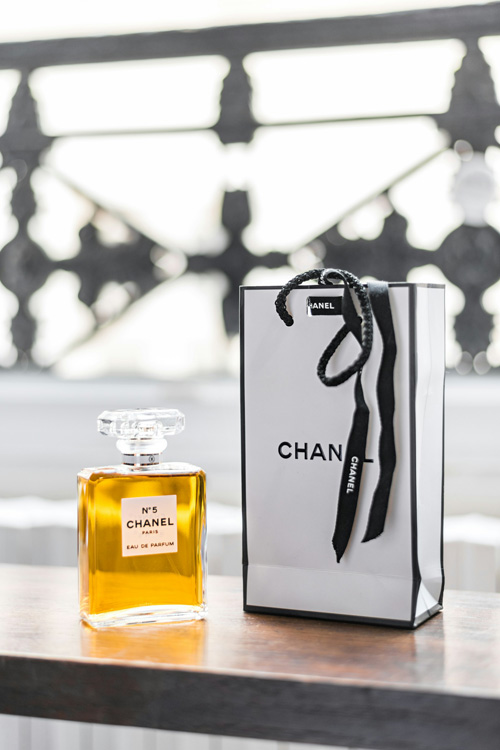
(Chanel no. 5 perfume – Photo by The Now Time)
Grasse, a town in Provence, has a long history with perfume. In the Middle Ages, local glove makers began scenting leather to mask strong smells, and the craft slowly turned into a perfume industry.
Today, Grasse is known for its fields of jasmine, rose, and tuberose, along with skilled “noses” who train for years to learn thousands of scents.
Visiting a perfume house can be eye-opening. You’ll hear terms like “top notes” (first impression), “heart notes” (main body), and “base notes” (long-lasting foundation).
Try smelling single ingredients first, then a blended fragrance, so you can feel how layers build over time. If you want a small souvenir, look for travel-sized bottles or solid perfumes that pack easily.
Another idea is a simple cologne, which tends to be lighter for daily use. Many shops offer personalization, such as engraving or a custom mix. When you wear it back home, one spray can take you right back to a sunny street or a small workshop in Grasse.
Read next: Visiting Colmar, France, at Christmas: 10 Experiences You Can’t Miss
4. French Fashion and Accessories
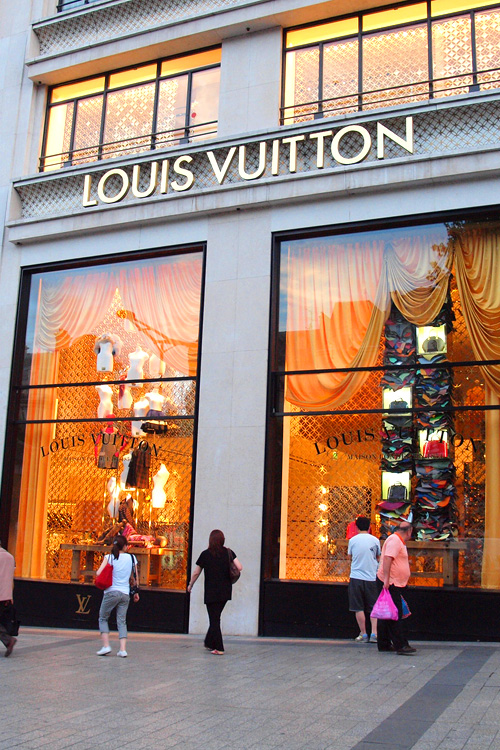
(Louis Vuitton store, Paris, France by zoetnet, CC BY 2.0)
Shopping for fashion in France can be as simple as finding a scarf, a leather wallet, or a pair of well-made shoes. Paris has famous fashion houses, but there are also small boutiques and markets where you can discover everyday pieces.
A silk scarf adds color to a plain outfit and becomes a go-to item for travel and home. Leather goods, like belts or cardholders, are often crafted with care and can last a long time. If you enjoy clothing history, you might like learning how the haute couture tradition influenced modern style.
Look for timeless cuts, neutral tones, and fabrics that feel good on your skin. Try pieces you can wear often, rather than something trendy that gathers dust. For budget-friendly finds, explore outlet stores or neighborhood shops away from crowded areas.
When packing, roll garments to save space and tuck delicate items inside socks or soft shoes. Later, wearing your French find can bring back the feeling of strolling through a street with window displays and friendly shopkeepers.
5. Macarons and Pastries
Macarons are light meringue cookies with a smooth filling, often in flavors like pistachio, raspberry, or chocolate. They look cheerful and make easy gifts. Bakers whisk egg whites, fold in almond flour, and pipe batter into circles.
After baking, they fill them with ganache, jam, or buttercream. The technique takes practice, and some bakeries fine-tune recipes for years.
In the early 1900s, a Paris pastry shop popularized the modern macaron sandwich. Beyond macarons, you might try madeleines, financiers, or a flaky croissant from a neighborhood boulangerie.
If you plan to take macarons home, choose a sturdy box and keep them cool. They taste best within a few days, so share them soon after you arrive. If you want a small learning moment, ask the staff how they balance sweetness and texture. They often enjoy talking about the craft.
For longer-lasting treats, consider caramels or nougat. And if you sneak a bite while walking along the Seine, that little taste might be your favorite memory…
6. Lavender Products from Provence
Lavender fields in Provence usually bloom in summer and brighten hills with purple rows and a gentle scent. Locals make soaps, essential oils, and small sachets that you can tuck in drawers or suitcases.
Lavender oil is often used for a calm, fresh smell at home. Some producers also sell blends like lavandin, a hybrid plant prized for its strong fragrance.
In earlier centuries, lavender was used to scent clothes and linens and to make simple balms. When shopping, look for clear labeling and ask if the products are made nearby.
For travel, small bottles and soap bars pack easily and don’t take much space. If you bring home essential oil, use a drop or two on fabric or in a diffuser, and keep it away from your eyes and children.
Lavender gifts remind sunny fields, quiet roads, and stone villages. Each time you open a sachet, you might remember the buzz of bees and the look of rows fading into the horizon.
Read next: Autumn in Provence (France): 12 Breathtaking Places You Should Visit
7. French Beret
The beret is a soft, round cap that has become a symbol of simple French style. It has roots in the Basque region, where shepherds wore felted wool caps for warmth and practicality.
Over time, artists and students adopted the beret, giving it a creative vibe. You’ll find wool, cotton, and even leather versions, along with many colors. A snug fit helps the beret sit comfortably. Try tilting it slightly for a casual look.
If you enjoy small fashion details, check the band and stitching: neat finishing makes a difference. Some makers still use traditional methods, and you may see labels that mention a region or workshop.
Berets pack flat, which makes them easy to carry home. They also make simple gifts, since sizes are often flexible.
Wearing a beret later can bring back the feeling of walking through a market or sitting at a café with a warm drink and enjoying the rhythm of the day.
8. Cookware (Le Creuset, Staub)
French cast-iron cookware, like Le Creuset or Staub, is valued for even heat and steady cooking. Many pieces are enameled, which helps resist rust and makes cleaning easier.
A classic Dutch oven works for soups, stews, and bread. If you like slow cooking, a heavy pot helps keep a gentle simmer.
These brands began producing cookware in the 20th century, and the colors became part of their identity. Some handles and lids are designed to hold moisture inside, which can make dishes tender.
When shopping, consider size and weight, since a large pot might be heavy in luggage. Outlet stores and factory shops sometimes offer good deals. For travel, wrap the pot in clothing and keep the lid secure.
Cooking with a French pot can create calm moments: chopping vegetables, stirring slowly, and letting time do the work, much like a quiet afternoon in a France…
9. Art Prints and Posters
Art prints and posters are a way to bring French culture into your home. You might find vintage-style travel posters, museum reproductions, or prints inspired by famous painters.
Montmartre has long been linked with artists, and its streets still show that creative spirit. Many shops offer affordable prints in standard sizes, which makes framing simple. Look for sturdy paper and clear colors.
If you enjoy a bit of history, explore designs connected to the Belle Époque, a time when lively cabarets and bold posters spread new styles around Paris.
For transporting, use a cardboard tube or a flat portfolio, and keep prints dry. Each of them can bring back a memory, like a museum visit or an afternoon near the Seine.
If you like a personal touch, choose a poster from a neighborhood you explored, so the image matches your own path through the city.
10. Soap (Savon de Marseille)
Savon de Marseille is a traditional soap from the south of France, often made with vegetable oils like olive oil. It has a simple, square look and a gentle feel on the skin.
Production methods date back centuries, and makers followed rules meant to keep ingredients simple and traceable. You’ll still find stamps on the soap that list oils and origin. Some versions use coconut or palm oil, and others add scents like lavender or citrus.
The plain olive version is popular with people who prefer minimal additives. You can use the soap for hands, body, and even small laundry tasks while traveling. Bars pack well and last a long time.
When shopping, ask where the soap is made and check labels for clear ingredients. A single bar can remind you of sunny courtyards and sea air.
The scent and simple shape can bring a calm touch to your bathroom or kitchen sink, making everyday washing feel a bit more special…
Read next: 10 Best Towns in the South of France: Charming Destinations for Your Next Trip